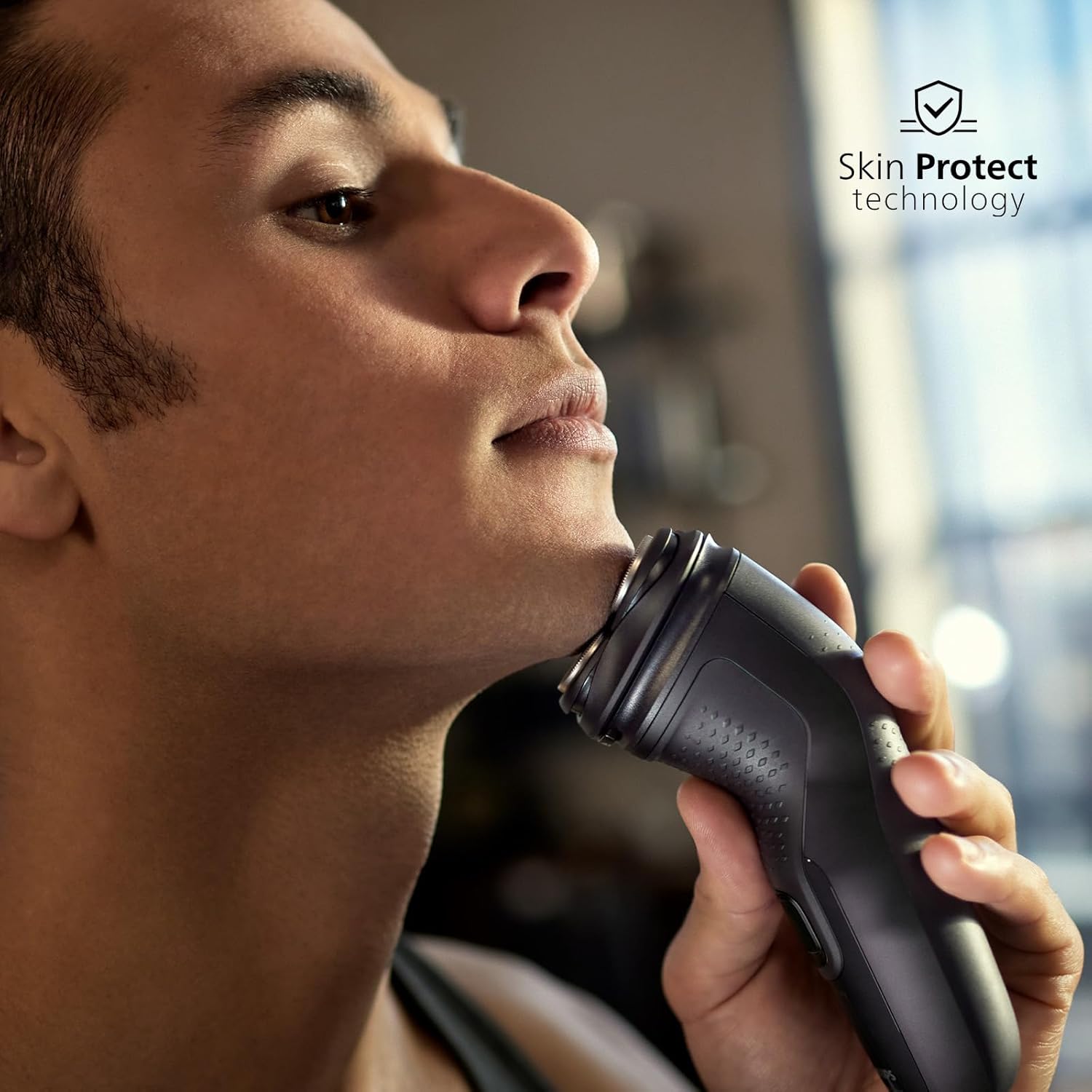
Rotary versus foil shaver technology on jawlines and necks
Choosing between a rotary shaver and a foil shaver starts with understanding how each electric system cuts hair. A foil electric shaver uses straight oscillating blades under a perforated foil, which excels at very close, linear strokes on flat cheeks but can skip over hollows along the jaw. By contrast, the circular motion of rotary shavers lets the head glide in arcs around the chin, so many users find that a rotary electric razor gives more consistent contact on tricky contours.
People with sensitive skin often ask whether foil shavers or rotary shavers are the best electric choice for irritation control. If your beard grows in multiple directions and you press a foil shaver too hard to catch stubborn hairs, the rigid head can create hot spots on the skin, while a rotary flex head tends to spread pressure more evenly. That is why many specialists still recommend rotary shavers for jawlines and necks, a point explored in depth in this analysis of why rotary shavers still win on jawlines.
There is a trade off though, because a premium foil shaver can shave extremely close on daily growth, especially in the high end Braun Series and Panasonic Arc families. If you want the best wet and dry rotary shavers for three day stubble and a foil model for ultra close office days, you might reasonably own two electric shavers and rotate them. In practice, most people prefer one versatile rotary shaver wet and dry model, accepting a tiny sacrifice in closeness for better comfort on the neck and under the jaw.
Key features that define the best wet and dry rotary shavers
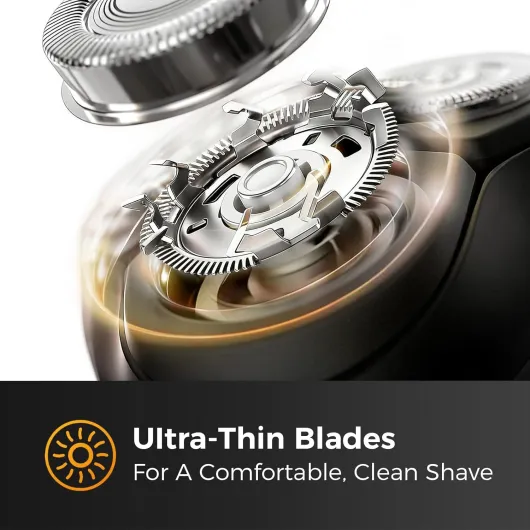
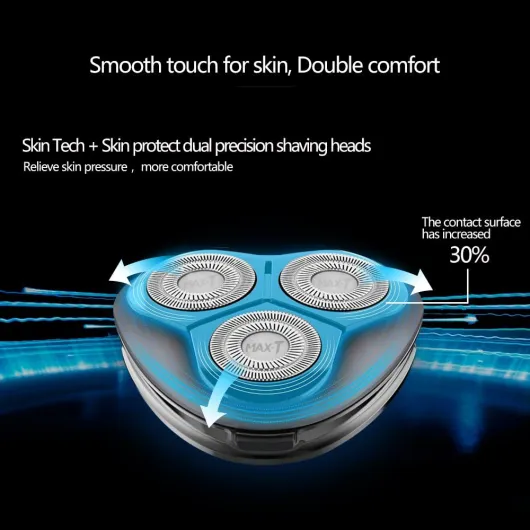
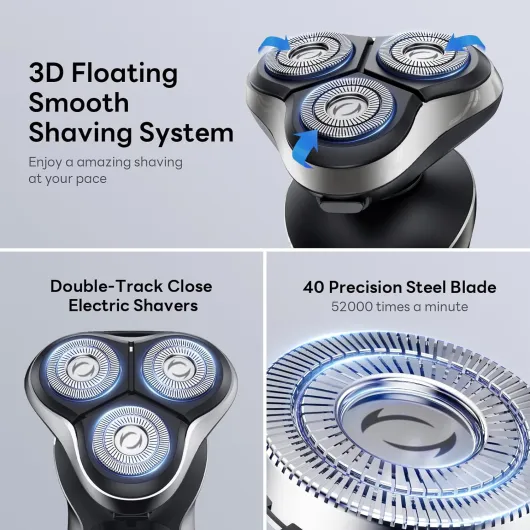
When you compare the best wet and dry rotary shavers, focus first on the cutting system and the flex head design. Look for three or more rotary heads with multi directional pivoting, because this allows the electric shaver to maintain contact as you move from cheeks to jaw to neck in a single smooth shave. High quality blades made from hardened stainless steel or similar alloys stay sharp longer, which means less tugging and better protection for sensitive skin.
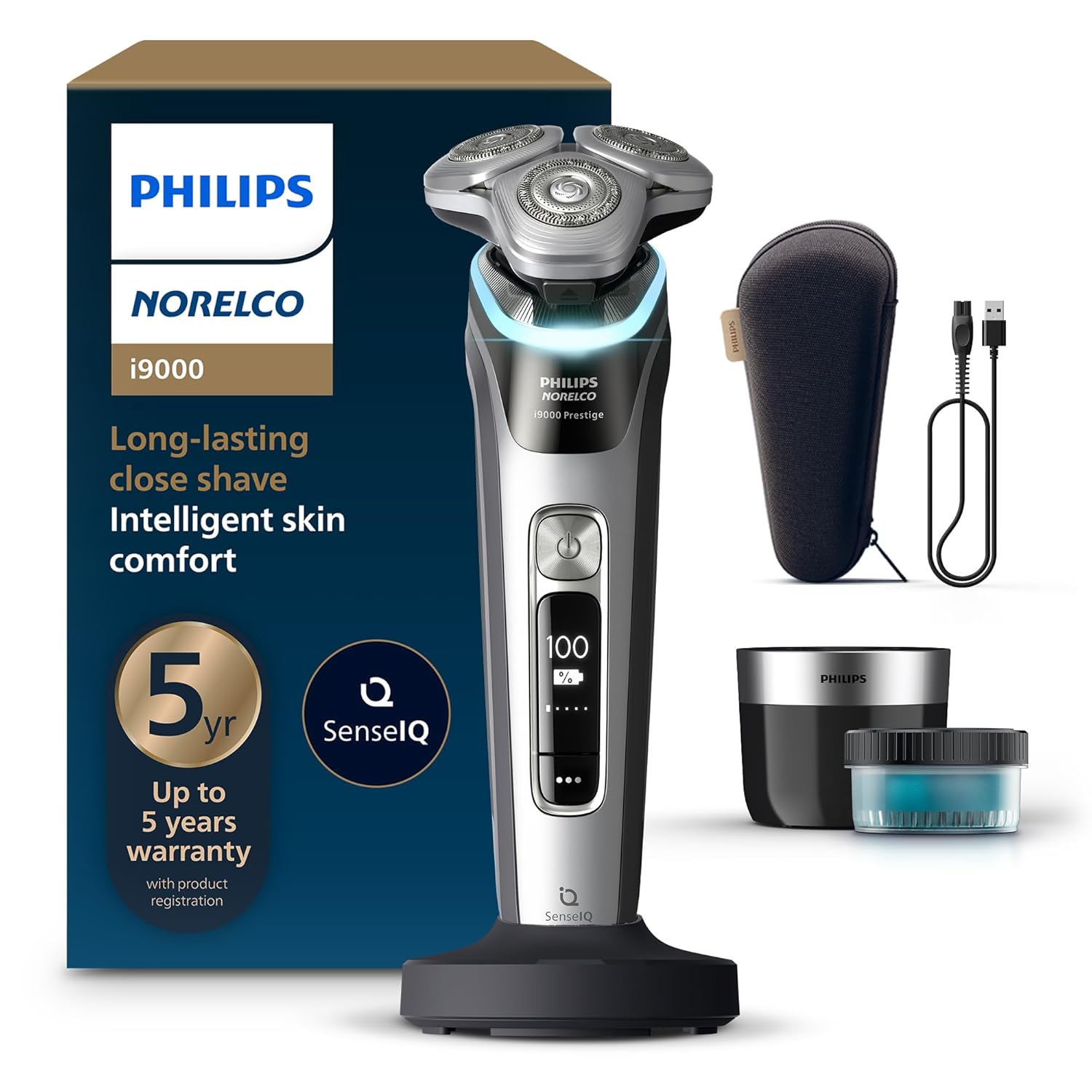
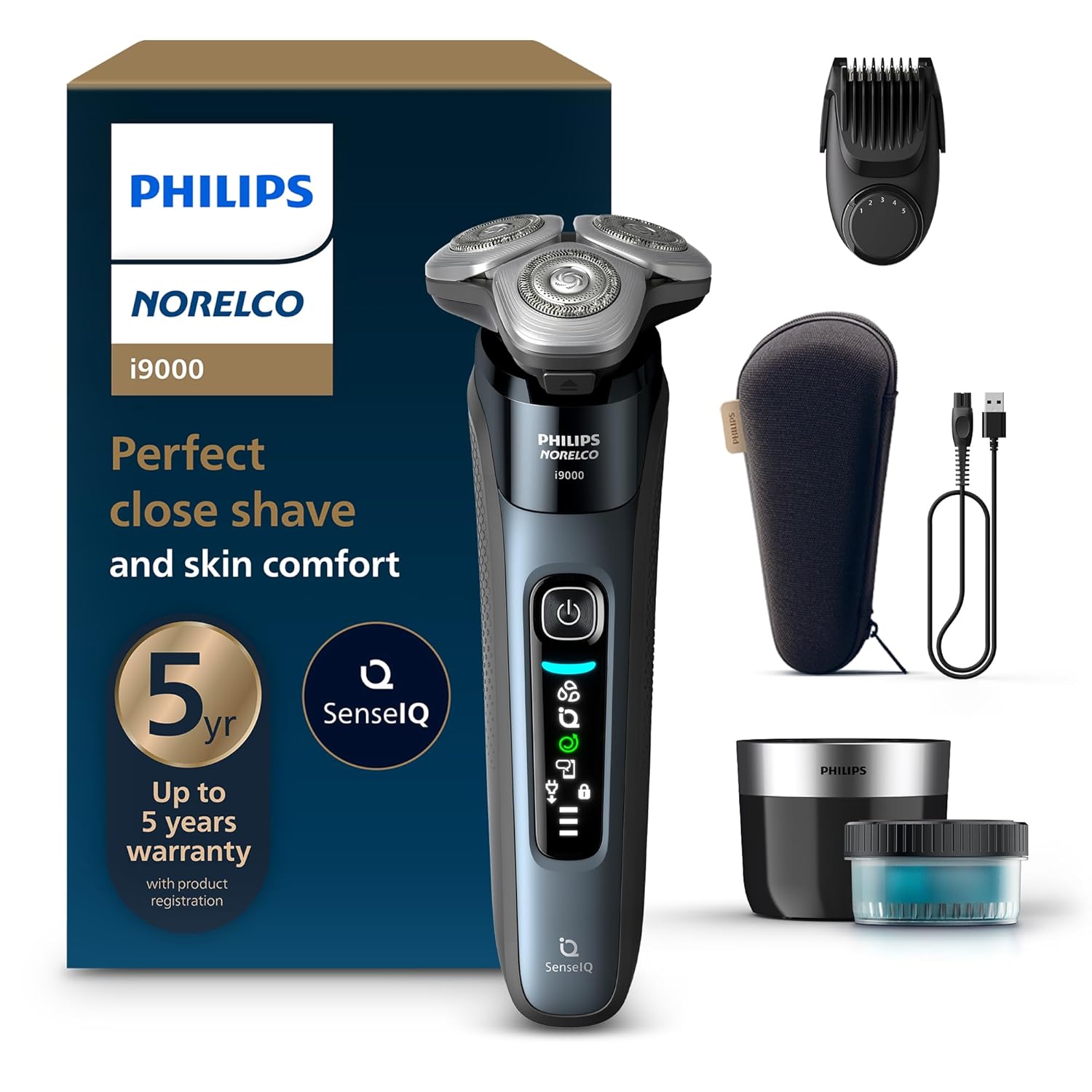
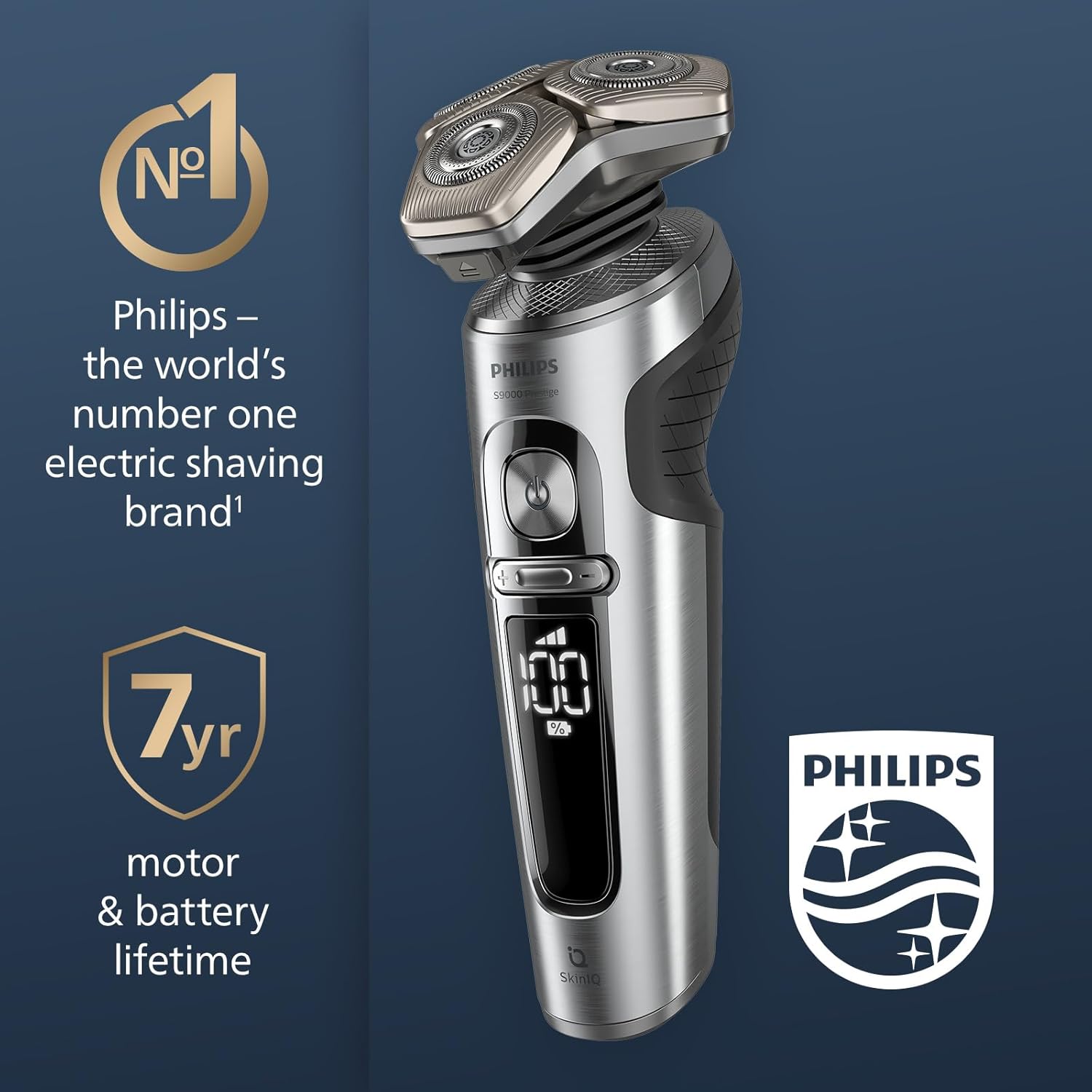
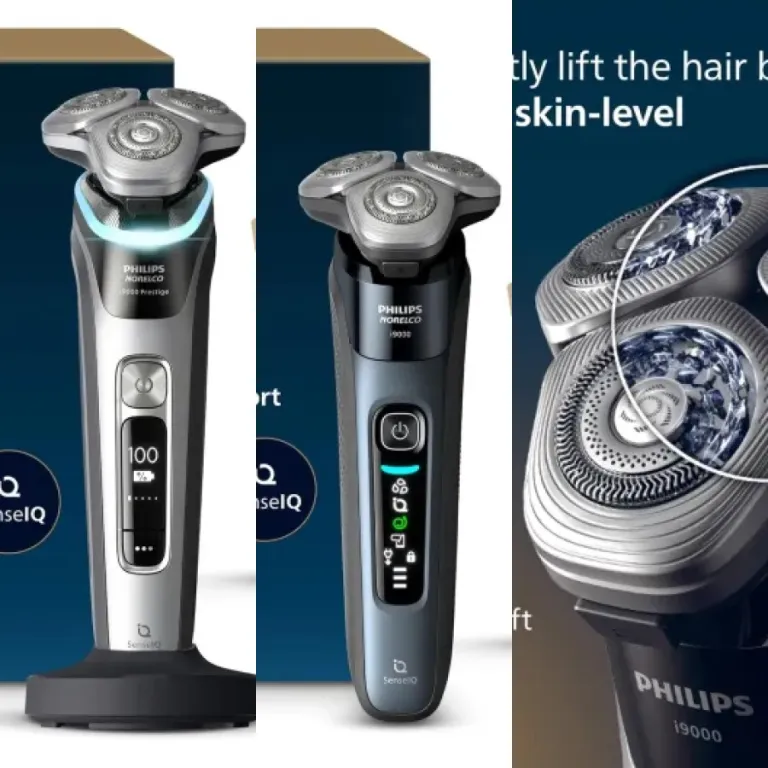
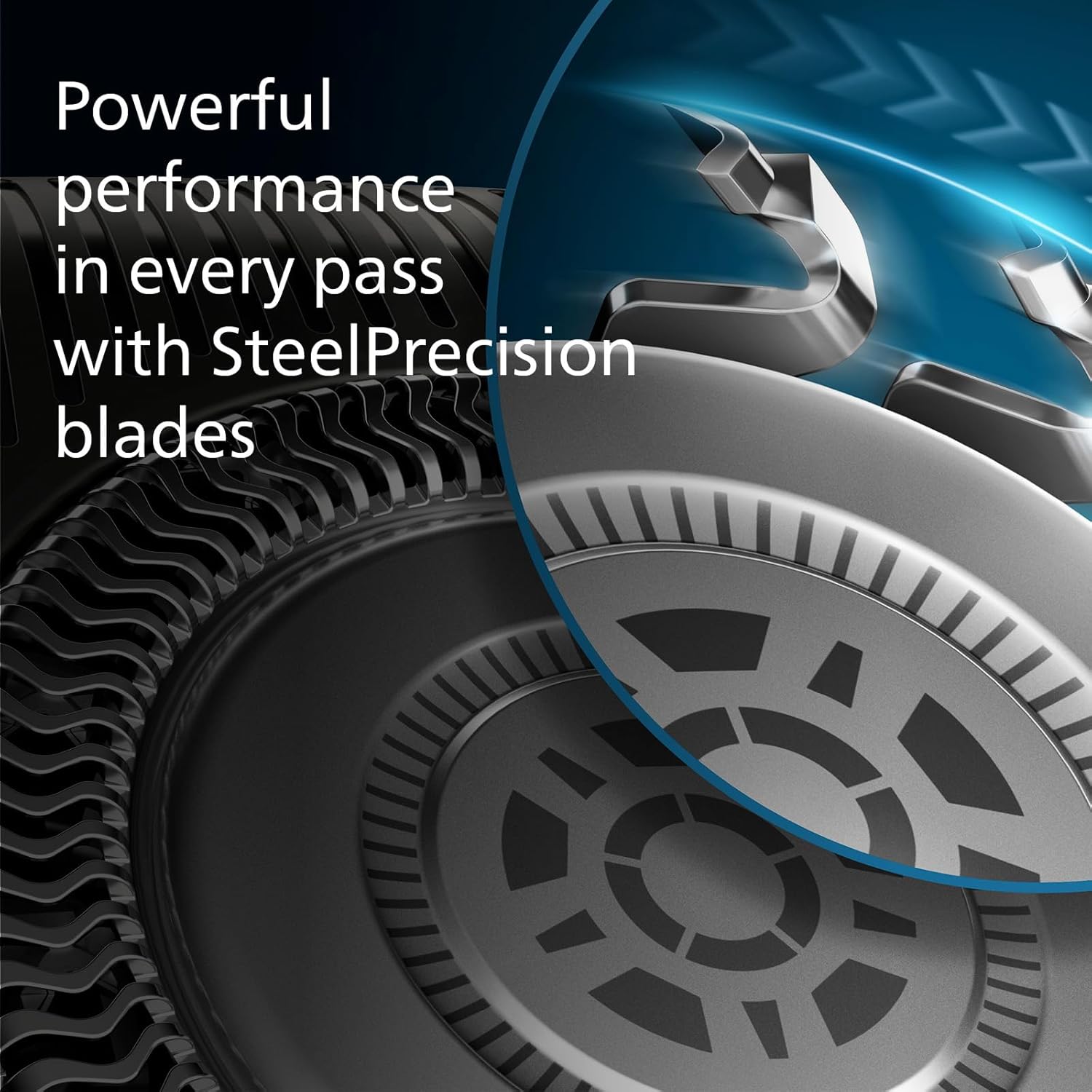
Premium rotary shavers from brands such as Philips Norelco often add comfort coatings and suspension systems to the head, and these features matter more than marketing suggests. For example, the Philips Norelco Series 9000 Prestige wet dry electric razor uses advanced coatings and a floating head structure to reduce friction, which can be especially helpful when you shave wet with gel. A detailed test of this type of high end rotary shaver, including nanotech dual precision blades and a powerful digital motor, is available in this in depth review of a wet and dry electric shaver Series 9000 Prestige razor.
Battery life and maintenance systems also separate average shavers from the best electric models in each shaver series. A good rotary electric shaver should offer at least forty to sixty min shaving time on a full charge, and some include a cleaning station or SmartCare Center style dock that automatically cleans and lubricates the razor head. If you travel often, consider whether you prefer a compact rotary shaver without a bulky cleaning station, or whether the convenience of dock based cleaning outweighs the extra space in your luggage.
Brand lineups compared: Braun, Philips Norelco, and Panasonic Arc
Anyone researching the best wet and dry rotary shavers quickly encounters three major electric brands, each with a distinct philosophy. Philips Norelco dominates the rotary shaver market, offering a wide shaver series from entry level models to the Series 9000 Prestige, while Braun and Panasonic Arc focus mainly on foil shaver technology. Understanding how these lineups differ helps you decide whether a pure rotary electric shaver or a mixed strategy with both rotary and foil shavers makes sense for your routine.
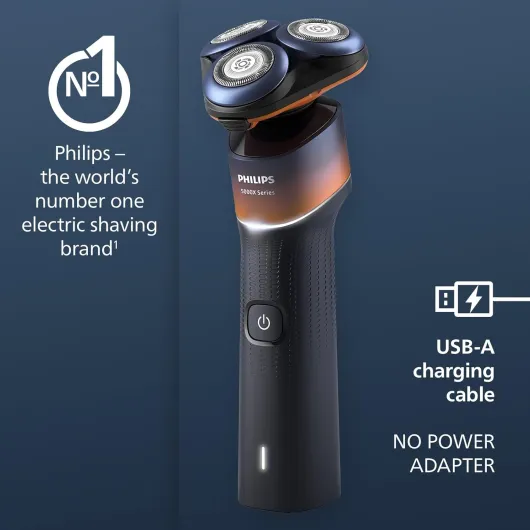
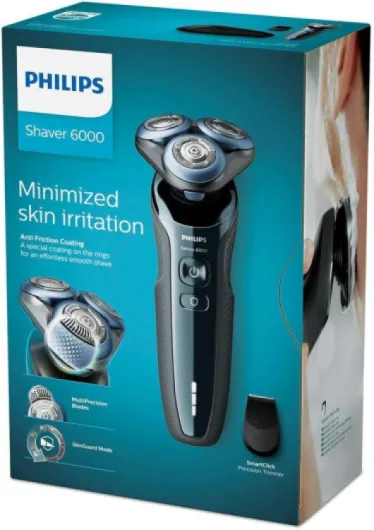
Philips Norelco rotary shavers emphasize multi directional flex head systems and comfort rings, and many models support both dry electric use and full wet shaving in the shower. A mid range Norelco shaver can already deliver a close shave for most users, but the flagship Philips Norelco models add premium blades, stronger motors, and optional cleaning stations that rival the SmartCare Center concept from Braun. If you want the best rotary performance specifically, Philips Norelco remains the reference brand for electric shavers with circular heads.
Braun, by contrast, built its reputation on the Braun Series foil shaver families, especially the Series 7, Series 8, and Series 9 Pro and Series Pro variants. These foil based electric shavers often shave slightly more close on daily growth, and many include a SmartCare Center cleaning station that automatically cleans, dries, and charges the razor. Panasonic Arc models, such as the Panasonic Arc 5, push for maximum closeness with ultra thin foils and very fast motors, so some users pair a Panasonic Arc foil shaver for special occasions with a Philips Norelco rotary shaver for relaxed wet dry use.
Practical buying guide for different beards, skin types, and routines
Selecting the best wet and dry rotary shavers starts with an honest look at your beard density and skin sensitivity. If your beard is light to medium and your skin is resilient, almost any mid range rotary electric shaver with a flexible head and decent blades will provide a comfortable shave. People with coarse, wiry growth or easily irritated skin should invest in a higher end rotary shaver series, where the motor power and smoother caps reduce pulling and redness.
Think about how often you shave and whether you prefer a dry electric routine or a shaver wet routine with foam or gel. Daily shavers who want a quick office ready look may value a model that can deliver a close shave in under five min shaving, while those who shave every third day might prioritize a more powerful electric razor that can handle longer stubble. If you often shave in the shower, confirm that the rotary shaver is fully waterproof and rated for wet dry use, not just splash resistant for cleaning under the tap.
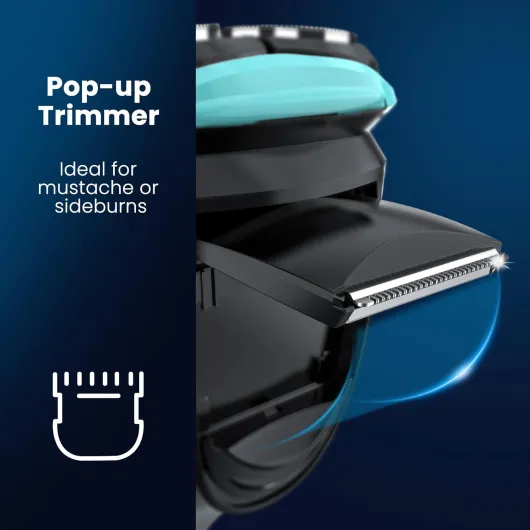
Extra tools such as an integrated trimmer or pop up trimmer can be surprisingly useful, especially for shaping sideburns, moustaches, and short beards. Many of the best electric rotary shavers include a precision trimmer attachment that clicks onto the head, while others rely on a small slide out trimmer built into the body of the shaver. If you maintain a short beard and only clean shave the neck and cheeks, a rotary shaver with a strong trimmer and a reliable cleaning station will likely serve you better than a bare bones razor with no accessories.
Care, hygiene, and long term performance of rotary electric shavers
Even the best wet and dry rotary shavers will feel rough if you neglect cleaning and lubrication. Hair fragments, dead skin, and dried foam can clog the blades and caps, forcing the electric shaver motor to work harder and generating more heat against your skin. Regular rinsing under warm water after every shave, followed by occasional use of liquid soap, keeps the rotary head clear and maintains a smooth glide.
Automatic cleaning systems simplify this routine, and many premium shavers now ship with a cleaning station or SmartCare Center style dock. These bases pump cleaning fluid through the razor head, flush out debris, and often lubricate the blades, which extends their life and preserves cutting efficiency for close shaves. If your chosen rotary shaver does not include such a station, you can still achieve similar results by manually cleaning the head and applying a drop of light oil to the blades every week.
Skin care after shaving matters as much as the hardware, especially when you use an electric razor daily on sensitive areas like the neck. A gentle alcohol free balm calms the skin barrier and reduces micro irritation from repeated contact with the shaver head, which is particularly important when you alternate between dry electric passes and wet gel sessions. For a deeper look at post shave routines tailored to electric shavers, you can consult this guide to aftershave care for electric shaver users, then adapt its advice to your own rotary or foil shaver setup.
Key figures and market statistics for electric shavers
- Global sales of electric shavers, including rotary and foil models, exceeded 3 billion US dollars according to recent market analyses from firms such as Grand View Research and Euromonitor (2022–2023), reflecting steady demand for convenient grooming tools.
- Industry surveys by manufacturers and grooming panels, including Philips and Braun internal research published between 2020 and 2023, show that more than 60 percent of electric shaver users now prefer wet dry capable devices, highlighting how strongly consumers value flexible shaving routines in the bathroom.
- Independent testing by several consumer organizations, such as Consumer Reports and Which? in their 2021–2023 electric shaver roundups, indicates that replacing rotary blades every twelve to eighteen months can maintain up to 90 percent of the original cutting performance, compared with heavily dulled heads beyond two years.
- Usage data from grooming studies and time use surveys suggests that an average user spends around five to seven minutes per shave with an electric razor, which is typically shorter than a comparable manual razor routine that includes lathering and rinsing.
- Market share reports from Statista and similar analytics providers consistently rank Philips Norelco, Braun, and Panasonic among the top electric shaver brands worldwide, with Philips Norelco leading the rotary shaver segment and Braun dominating premium foil shaver sales.

![Shaver i9000 Prestige, Wet & Dry Electric Shaver, Dark Slate Nova, with Skin IQ Technology, Triple Lift & Cut System, 360 Rotating Dual SteelPrecision Blades, Model XP9204/10 [New] i9000 Prestige, Case, Charging Stand](https://www.electric-shaver-guru.com/storage/859642/conversions/81X0HVdrIQL._AC_SL1500_-medium.webp)
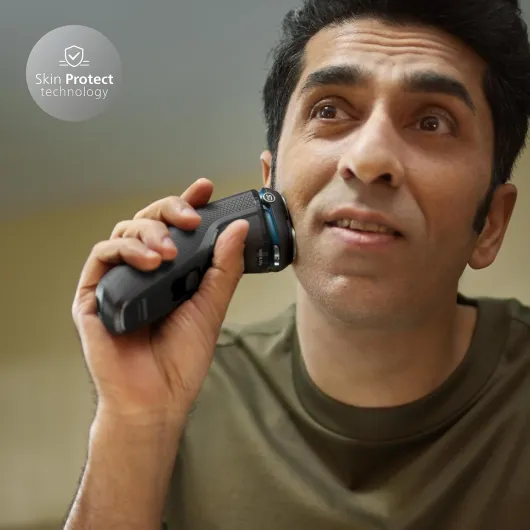
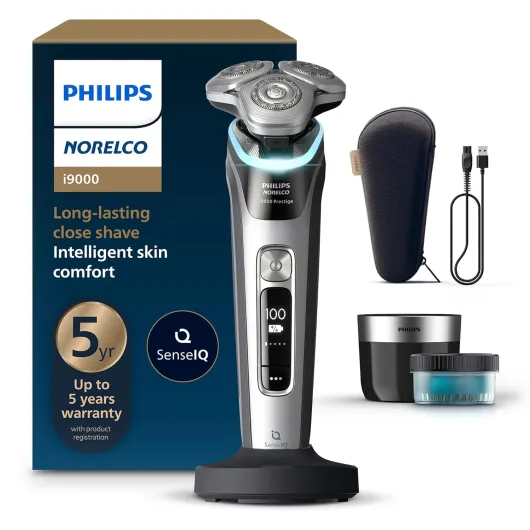

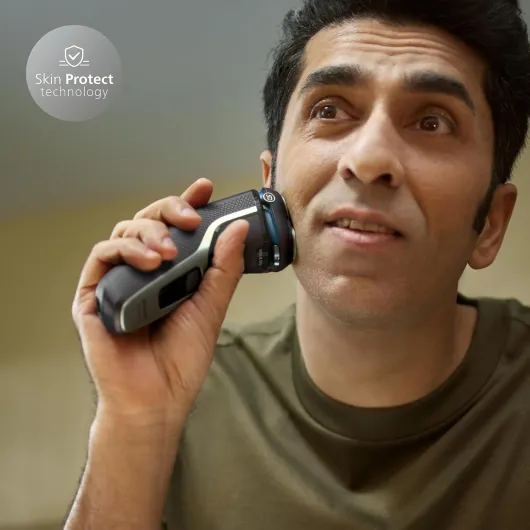
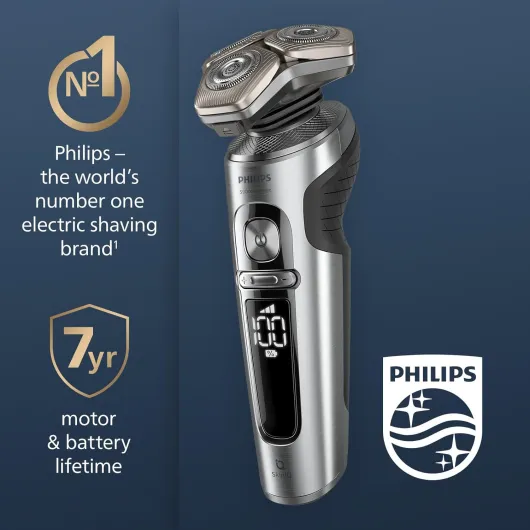

![Shaver i9000 Prestige Ultra, Wet & Dry Electric Shaver, Chrome, Skin IQ Pro Technology, Triple Lift & Cut System, 360 Rotating NanoTech Precision Blades, 5 Shaving Modes, Model XP9404/38 [New] i9000 Prestige Ultra, Case, Charging Stand, Beard Styl](https://www.electric-shaver-guru.com/storage/1026049/conversions/81fieVVqkVL._AC_SL1500_-medium.webp)
![Shaver i9000, Wet & Dry Electric Shaver, Ink Black, with Skin IQ Technology, Triple Lift & Cut System, 360 Rotating Dual SteelPrecision Blades, Model X9000/10 [New] i9000, Case, Charging Stand](https://www.electric-shaver-guru.com/storage/859623/conversions/81GNIu-ed2L._AC_SL1500_-medium.webp)
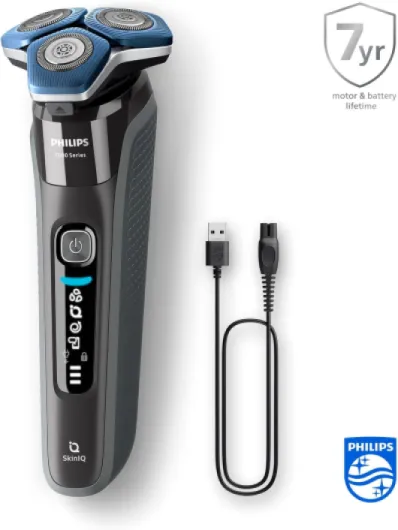
![Shaver 700 Series - Compact Electric Shaver, Lift & Cut System, Dual SteelPrecision Blades, 4D Flex Heads, Wet & Dry Shave, Nose Trimmer, Travel Case, Model S792/06 [New] S7 Travel Shaver, Dual SteelPrecision Blades, Nose Trimmer, USB-A + QI](https://www.electric-shaver-guru.com/storage/880543/conversions/81sMHLPogXL._AC_SL1500_-medium.webp)
![Shaver 500 Series - Compact Electric Shaver, Lift & Cut System, SteelPrecision Blades, 3D Floating Heads, Wet & Dry Shave, Travel Case, Travel Lock, Magnetic Cap, Model S595/05 [New] S5 Travel Shaver, SteelPrecision Blades, USB-A](https://www.electric-shaver-guru.com/storage/947623/conversions/81sNo5FKqLL._AC_SL1500_-medium.webp)
![Shaver i9000 Prestige Ultra, Wet & Dry Electric Shaver, Black, with Skin IQ Pro Technology, Triple Lift & Cut System, 360 Rotating NanoTech Precision Blades, 5 Shaving Modes, Model XP9405/31 [New] i9000 Prestige Ultra, Case, Charging Stand, Beard](https://www.electric-shaver-guru.com/storage/1013021/conversions/81rrWurbmYL._AC_SL1500_-medium.webp)

![Shaver i9000 Prestige, Wet & Dry Electric Shaver, Dark Slate Nova, with Skin IQ Technology, Triple Lift & Cut System, 360 Rotating Dual SteelPrecision Blades, Model XP9204/10 [New] i9000 Prestige, Case, Charging Stand](https://www.electric-shaver-guru.com/storage/859642/81X0HVdrIQL._AC_SL1500_.jpg)