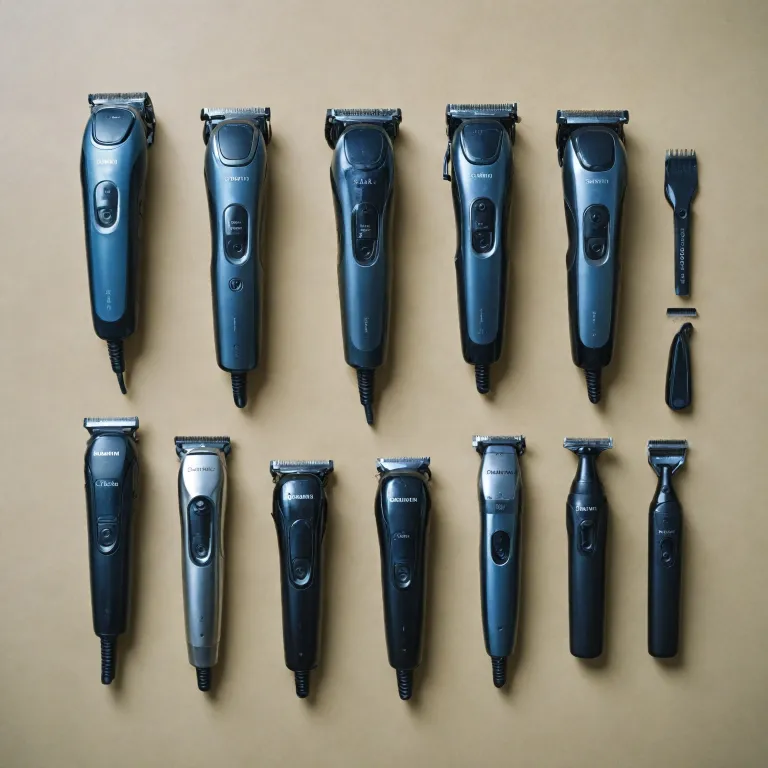

What hair trimmer sizes in mm mean
Decoding the Numbers on Hair Clippers
When you look at a hair clipper or trimmer, you’ll notice numbers on the guards or comb attachments. These numbers are more than just labels—they represent the length of hair left after a cut, measured in millimeters (mm) or inches. For example, a number 1 guard usually leaves about 3 mm (or 1/8 inch) of hair, while a number 4 guard leaves roughly 13 mm (or 1/2 inch). Understanding these numbers is crucial for achieving the haircut length and style you want, whether you’re aiming for a close buzz cut, a fade, or a longer, textured look.
- Number haircut: Refers to the guard size used, which determines the length of the cut hair.
- Clipper sizes: These range from 0 (very short) to higher numbers for longer cuts.
- Inch hair measurements: Some clippers also show the length in inches or millimeters for added clarity.
The numbers on clipper guards are standardized, but it’s always a good idea to check your specific model’s guide, as there can be slight differences between brands. For men looking to maintain a consistent haircut length or experiment with different styles, knowing these numbers helps you communicate clearly with your barber or achieve the same results at home.
Each guard size creates a different effect, from very short buzz cuts to longer, blended styles. The right choice depends on your hair type, desired style, and how much maintenance you’re comfortable with. For a deeper dive into how trimmer sizes impact your haircut, check out this comprehensive guide to trimmer guards and their uses.
Common hair trimmer sizes and their uses
Understanding the Numbers on Hair Clippers
When you look at hair clippers, you’ll notice they come with different guard sizes, each marked with a number. These numbers represent the length of hair left after trimming, usually measured in millimeters (mm) or inches. For example, a number 1 guard typically leaves about 3mm (or 1/8 inch) of hair, while a number 4 guard leaves around 13mm (or 1/2 inch). The higher the number, the longer the hair will be after the cut.
Popular Clipper Guard Sizes and Their Typical Uses
- Number 0: No guard. This gives the shortest cut, almost a shaved look, ideal for a very close buzz cut.
- Number 1 (3mm or 1/8 inch): Very short, often used for fades or a tight buzz cut.
- Number 2 (6mm or 1/4 inch): Leaves a bit more length, good for a short, neat style or blending the sides in a fade.
- Number 3 (10mm or 3/8 inch): A popular choice for a classic short haircut, leaving enough hair to cover the scalp.
- Number 4 (13mm or 1/2 inch): Offers a medium length, suitable for a fuller look or longer fades.
- Number 5 and above: These guards (16mm, 19mm, etc.) are used for longer styles, trims, or maintaining length on top.
How Barbers and Men Use Different Guard Sizes
Barbers often use a combination of guard sizes to create popular styles like fades, tapers, and buzz cuts. For example, they might start with a number 2 on the sides and blend up to a number 4 or 5 on top. This approach helps achieve a smooth transition between different hair lengths. Men who cut their own hair at home can use these numbers as a guide to get consistent results every time.
Choosing Guard Sizes for Different Hair Types and Styles
Different hair types and desired styles will influence which guard size you should use. Thicker hair might look shorter at the same guard number compared to fine hair. If you’re aiming for a longer haircut, choose a higher number guard. For shorter, sharper cuts, stick to lower numbers. If you want more guidance on matching guard sizes to your haircut goals, check out this guide for choosing the right trimmers.
Quick Reference Table: Clipper Guard Sizes
| Guard Number | Length (mm) | Length (inch) | Common Uses |
|---|---|---|---|
| 0 | 0 | 0 | Shaved look, bald fade |
| 1 | 3 | 1/8 | Buzz cut, short fade |
| 2 | 6 | 1/4 | Short haircut, blending |
| 3 | 10 | 3/8 | Classic short cut |
| 4 | 13 | 1/2 | Medium length, longer fades |
| 5+ | 16+ | 5/8+ | Longer trims, maintaining length |
Choosing the right trimmer size for your style
Finding the best clipper guard for your desired haircut
When it comes to choosing the right trimmer size, it’s all about matching the clipper guard number to the haircut style you want. Each guard size corresponds to a specific length in millimeters or inches, which determines how much hair will be left after the cut. For example, a number 1 guard leaves hair at about 3mm (or 1/8 inch), giving you a very short buzz cut, while a number 8 guard leaves hair at 25mm (or 1 inch), perfect for longer, classic styles.
- Short styles: If you prefer a close cut or a fade, lower numbers (like 0, 1, or 2) are ideal. These are popular for men who want a sharp, clean look.
- Medium cuts: Numbers 3 to 5 are great for those who want some length but still like a tidy appearance. These sizes are often used for crew cuts or tapered styles.
- Longer lengths: If you want to keep more hair, go for higher guard numbers (6 to 8). These are suitable for longer styles and for blending different lengths smoothly.
Your hair type also plays a role. Thicker or curly hair may look shorter with the same guard size compared to fine hair. Always consider your hair’s texture and how it reacts to different lengths.
Barbers often use a combination of guard sizes to create fades or layered effects. If you’re aiming for a specific number haircut, check the guide that comes with your hair clippers, as guard sizes can vary slightly between brands. For a more detailed breakdown of how different clipper sizes impact your style, you can check this guide to choosing the right clipper guard length.
Remember, it’s always better to start with a longer guard and work your way down if you’re unsure. You can always cut more, but you can’t put hair back once it’s gone. Take your time, and don’t rush the process for the best results.
How to switch and maintain trimmer guards
How to Change and Care for Your Clipper Guards
Switching clipper guards is a simple but crucial step for getting the right haircut length. Each guard, often labeled by number or inch, snaps onto your hair clipper to control how much hair you leave behind. Here’s how to handle them for the best results:- Check the guard size: Before you start, double-check the number on the guard. The number corresponds to the length of hair left after the cut, usually measured in millimeters or eighths of an inch. For example, a number 1 guard leaves hair at about 3mm (or 1/8 inch), while a number 4 leaves it at 13mm (or 1/2 inch).
- Attach the guard securely: Slide or snap the guard onto the clipper until it clicks. A loose guard can lead to uneven cuts or even injury. Always test the attachment by gently tugging before you begin your haircut.
- Switching guards during a cut: If you want a fade or different lengths, stop the clipper, remove the current guard, and attach the next size. Never force a guard on or off, as this can damage both the guard and the clipper.
- Cleaning after use: Hair clippers and guards collect hair and oils. After each use, remove the guard and brush off hair clippings. Wash plastic guards with mild soap and water, then dry thoroughly before storing. This prevents buildup and keeps your cuts smooth.
- Inspect for damage: Regularly check your guards for cracks or worn edges. Damaged guards can affect the haircut length and may scratch your scalp.
Mistakes to avoid when using hair trimmer sizes
Common slip-ups when using clipper guard sizes
- Misreading the guard number: Many people confuse the clipper guard number with the actual hair length. For example, a number 2 guard does not mean 2 millimeters or 2 inches. It usually refers to 1/4 inch or 6 mm. Always check the guide that comes with your hair clippers to know the exact length each number represents.
- Assuming all brands use the same measurements: Not all clipper sizes are universal. One brand’s number 3 guard might be slightly different from another’s. This can impact your haircut length, especially if you switch between brands or models.
- Forgetting hair type matters: The same guard size can look different on thick, curly, or fine hair. Men with thicker hair may find that a short guard leaves the hair looking fuller, while fine hair can appear much shorter. Adjust your expectations based on your hair type and texture.
- Skipping the guard check: It’s easy to forget to double-check that the guard is securely attached. A loose guard can slip off mid-cut, resulting in an uneven haircut or even a buzz cut in the wrong spot. Always snap the guard into place and give it a gentle tug before starting.
- Not blending between lengths: When aiming for a fade or layered style, using only one guard size can leave harsh lines. Gradually move between guard sizes for a smoother transition, especially around the sides and back. This technique is key for professional-looking cuts at home.
- Neglecting maintenance: Dirty or dull clipper guards can tug at hair and cause discomfort. Clean and oil your hair clippers regularly, and inspect guards for cracks or buildup. Well-maintained tools help achieve the right length and a smooth cut every time.
How to avoid these mistakes for the best haircut
- Always refer to the length chart provided with your hair clippers before choosing a guard.
- Test the guard on a small section of hair to check the length before committing to the full cut.
- For fades or blended styles, switch between guard sizes gradually to avoid sharp lines.
- Keep your clipper guards and blades clean and well-oiled for consistent results.
- Take your time, especially if you’re new to using different guard sizes. Rushing increases the risk of mistakes.
Understanding the relationship between guard numbers, inch measurements, and hair type will help you achieve the haircut length and style you want. Whether you’re after a short buzz cut or a longer layered look, knowing your clipper sizes and how to use them is essential for men’s grooming at home.
Tips for a smooth trimming experience with electric shavers
Get the Most Out of Your Electric Shaver
- Prep your hair: Before using your electric shaver, make sure your hair is clean and dry. This helps the clipper glide smoothly and prevents snagging, especially if you’re aiming for a short buzz cut or a precise fade.
- Choose the right guard size: Double-check the clipper guard number and length in millimeters or inches. Using the correct guard sizes ensures you get the haircut length you want, whether you prefer a longer style or a close cut. Remember, each number haircut corresponds to a specific length hair, so match the number to your desired result.
- Trim in the right direction: For even results, move the shaver against the direction of hair growth. This technique helps the clipper cut all hair lengths evenly, giving you a consistent look across your haircut.
- Use steady, gentle pressure: Don’t press too hard. Let the electric shaver do the work. Applying too much force can cause uneven cuts and skin irritation, especially for men with sensitive skin or curly hair types.
- Check your progress: Pause occasionally to inspect your cut in the mirror. This helps you spot missed spots or uneven lengths, especially when working with different clipper sizes or attempting a fade.
- Clean your clipper guards: After each use, remove hair from the guards and blades. This keeps your hair clippers working efficiently and extends their lifespan. Clean guards also help maintain consistent haircut numbers and lengths for future cuts.
- Oil the blades: Regularly oiling your electric shaver’s blades reduces friction and keeps them sharp. This is crucial for smooth cuts, especially when switching between different guard sizes or cutting longer hair.
- Store properly: Keep your electric shaver and clipper guards in a dry place. Proper storage prevents rust and damage, ensuring your haircut numbers and guard sizes remain accurate for every style.
By following these tips, you’ll achieve a smoother, more professional-looking haircut at home, no matter your preferred length, style, or hair type. Whether you’re after a short buzz cut, a classic fade, or a longer look, the right technique and care will make all the difference.