


Defining wet shaving and how it works
What is Wet Shaving?
Wet shaving is a traditional grooming method that involves using water, shaving soap or cream, and a razor to remove hair from the face or body. Unlike dry shaving, which skips the water and lather, wet shaving relies on moisture and lubrication to soften hair and protect the skin. This process can be done with manual razors, such as double edge safety razors or single blade razors, as well as with modern electric shavers designed for wet use.
How Does Wet Shaving Work?
The process starts by wetting the face with hot water, which helps open pores and soften hair. Next, a shaving brush is often used to whip up a rich lather from shaving soap or cream. This lather is applied to the skin, creating a slick surface that allows the razor or electric shaver to glide smoothly, reducing the risk of cuts and irritation. The blade or electric razor then cuts the hair close to the skin, delivering a clean shave. After shaving, rinsing with cool water and applying a post shave balm or moisturizer helps soothe the skin.
Wet Shaving with Electric Shavers
Many modern electric razors are now designed for both wet and dry shaving. This means you can use them with shaving cream, soap, or gel, and even take them into the shower for added convenience. Using an electric shaver for wet shaving can combine the comfort of traditional methods with the speed and ease of electric grooming. If you want to know more about safely using an electric shaver in the shower, check out this guide to safe shower shaving with electric razors.
Why Moisture and Lather Matter
Water and lather are essential in wet shaving because they help soften the hair and create a protective barrier for the skin. Shaving soap or cream, when worked into a lather with a brush, lifts the hair and cushions the blade or electric razor. This reduces friction, making it less likely to cut or irritate the skin. Whether you use a manual razor or an electric shaver, the right pre shave and post shave routine can make a noticeable difference in comfort and results.

Key benefits of wet shaving for electric shaver users
Why Wet Shaving Appeals to Electric Shaver Users
For those who use an electric razor, the idea of wet shaving might seem like a step back to traditional methods. However, combining water, shaving cream, or shaving soap with an electric shaver can actually offer unique benefits for your skin and overall shaving experience. Let’s explore what makes wet shaving stand out for electric shaver users.
- Gentler on the Skin: Adding water and a quality shaving cream or soap creates a protective lather. This softens facial hair and allows the electric razor to glide more smoothly, reducing the risk of irritation and razor burn. For people with sensitive skin, this can make a noticeable difference compared to dry shaving.
- Closer Shave: Wet shaving helps lift and soften hair, making it easier for the electric shaver’s blades to cut closer to the skin. The result is a smoother face with fewer missed spots, especially when compared to a quick dry shave.
- Hydration and Comfort: Using hot water to prep your face opens pores and hydrates both skin and hair. This not only makes shaving more comfortable but also helps prevent nicks and cuts, which can be more common with dry shaving or a manual razor.
- Reduced Friction: The lather from shaving soap or cream acts as a buffer between the razor and your skin. This minimizes friction, helping to prevent redness and ingrown hairs, especially if you shave daily.
- Enhanced Routine: Wet shaving can turn a rushed morning routine into a more mindful ritual. Using a shaving brush to apply lather, choosing a favorite soap cream, and taking time with each pass can make shaving less of a chore and more of a self-care moment.
It’s important to note that not all electric razors are designed for wet use. If you’re interested in making the switch, look for waterproof models that can handle both wet and dry shaving. For more guidance, check out this resource on finding the best waterproof electric buzzer for your needs.
Whether you prefer a double edge safety razor, a single blade, or a multi blade electric shaver, integrating water and lather into your routine can elevate your shave. The right combination of shaving brush, shaving water, and pre shave or post shave care can help you get the most from your electric razor—without sacrificing comfort or skin health.
Comparing wet and dry shaving: what’s best for your skin?
How Wet and Dry Shaving Affect Your Skin
When deciding between wet shaving and dry shaving, understanding how each method interacts with your skin is crucial. Wet shaving involves using water, shaving soap or cream, and sometimes a brush to create a lather. This process softens the hair and opens pores, making it easier for the razor or electric shaver to cut hair close to the skin. Dry shaving, on the other hand, skips the water and lather, relying on the electric razor to trim hair directly on dry skin.
- Wet shaving often results in a smoother shave because the hair is softened by hot water and lather. This can reduce irritation and the risk of cuts, especially when using a safety razor, double edge blade, or even a modern electric shaver designed for wet use.
- Dry shaving is faster and more convenient, especially with an electric razor. However, it may cause more friction, leading to potential skin irritation or razor burn, particularly for those with sensitive skin.
Which Method Is Gentler on Your Face?
For many, wet shaving is gentler on the skin. The combination of shaving cream, soap, or lather and water helps the blade or electric shaver glide smoothly, reducing the chance of nicks and irritation. Using a shaving brush to apply soap cream can further lift hair and exfoliate the skin. In contrast, dry shaving can sometimes leave the skin feeling rough, especially if you skip pre shave or post shave care.
It’s important to note that the right technique and tools matter. A quality electric shaver designed for wet shaving, paired with a good shaving soap or cream, can make a big difference. Manual razors, such as single blade or multi blade safety razors, also benefit from wet shaving, but require careful handling to avoid cuts.
Time and Convenience: What Fits Your Routine?
Dry shaving is often chosen for its speed. You can use an electric razor on the go, without the need for water or lather. This is ideal for busy mornings or travel. Wet shaving, while more time-consuming, can be a relaxing ritual. The process of applying shaving water, working up a lather with a brush, and using hot water can turn shaving into a self-care moment.
Choosing the Best Shaving Method for Your Needs
Ultimately, the best choice depends on your skin type, hair thickness, and personal preferences. If you have sensitive skin or are prone to razor burn, wet shaving with a quality electric shaver or safety razor may be the better option. For those prioritizing speed, a dry shave with a reliable electric razor is hard to beat. If you’re considering upgrading your grooming tools, check out this guide on what to look for in professional trimmers to help you make an informed decision.
How to use an electric shaver for wet shaving
Step-by-step guide to a smooth wet shave with your electric razor
Wet shaving with an electric shaver can deliver a close, comfortable shave when done right. Here’s a practical approach to get the most out of your device:- Prep your face and hair: Start by washing your face with warm water. This softens the hair and opens up the pores, making it easier for the razor to glide. Some users prefer to use a shaving brush to apply a quality shaving soap or cream, creating a rich lather that helps protect the skin.
- Apply shaving cream or soap: Use a shaving brush or your hands to work the shaving cream or soap into your beard. The lather acts as a cushion between the razor and your skin, reducing the risk of irritation or cuts. For those with sensitive skin, a gentle soap cream can make a big difference.
- Choose the right electric shaver: Not all electric razors are designed for wet shaving. Make sure your device is waterproof and suitable for use with water and shaving products. This will help prevent damage to the shaver and ensure a safer experience.
- Shave with gentle, circular motions: Move the electric razor in small, circular motions over your face. Avoid pressing too hard; let the blades do the work. This technique helps capture more hair and minimizes the risk of nicks or irritation.
- Rinse the razor frequently: During your shave, rinse the shaver head under running water to remove hair and lather buildup. This keeps the blades clean and ensures a smoother shave.
- Post-shave care: After shaving, rinse your face with cool water to close the pores. Pat your skin dry and apply a soothing post shave balm or moisturizer to help calm the skin and prevent dryness.
Tips for a better wet shaving experience
- Always use hot water to soften the beard before shaving.
- Opt for shaving creams or soaps formulated for sensitive skin if you experience irritation.
- Don’t rush; take your time to allow the razor to cut hair efficiently.
- Keep your electric shaver clean and replace blades as recommended for optimal performance.
Common challenges and solutions in wet shaving
Troubleshooting Common Wet Shaving Issues
Even with the right electric razor and a solid wet shaving routine, you might run into a few challenges. Here’s what many users experience and practical ways to address them for a smoother, more comfortable shave.
- Irritation and Razor Burn
Shaving wet with an electric shaver can sometimes cause irritation, especially if your skin is sensitive or if you’re new to this method. To reduce redness and discomfort:- Always use a quality shaving cream or shaving soap to create a protective lather.
- Make sure your face is thoroughly wet with warm water before you start. This softens the hair and opens pores.
- Don’t press the electric razor too hard against your skin. Let the device do the work.
- Finish with a gentle post shave balm to soothe the skin.
- Poor Shave Quality or Missed Hairs
If you notice patches of hair left behind or an uneven shave, consider these tips:- Check that your electric shaver’s blades are sharp and clean. Dull blades tug hair and reduce efficiency.
- Use circular motions with rotary razors and straight, gentle strokes with foil razors.
- Apply enough shaving cream or soap cream for a slick surface, but avoid overloading your face with lather.
- Clogging and Cleaning Problems
Wet shaving with soap, cream, or lather can cause build-up inside your electric razor. To prevent this:- Rinse the razor head under hot water after every shave.
- Use a small brush (often included with electric razors) to remove trapped hair and soap residue.
- Deep clean your shaver regularly, following the manufacturer’s instructions.
- Time Management
Wet shaving with an electric razor can take longer than a quick dry shave. To save time:- Prepare your shaving tools and lather before you start.
- Practice your technique to become more efficient over time.
- Consider shaving after a shower, when your hair is already softened by hot water.
Tips for a Smoother Wet Shave Experience
- Use a shaving brush to work up a rich lather from your shaving soap or cream. This helps lift hair and exfoliate the skin.
- Try different shaving creams or soaps to find what works best for your skin type.
- If you’re switching from a manual razor or safety razors, give your skin time to adjust to the electric method.
- For those with coarse hair, a pre shave oil can help soften the beard and reduce tugging.
Remember, whether you prefer a single blade, double edge, or multi blade razor, the basics of wet shaving—using water, lather, and the right technique—apply to electric razors too. With patience and the right approach, you’ll enjoy a close, comfortable shave every time.
Choosing the right electric shaver for wet shaving
Features to Look for in a Wet Shaving Electric Razor
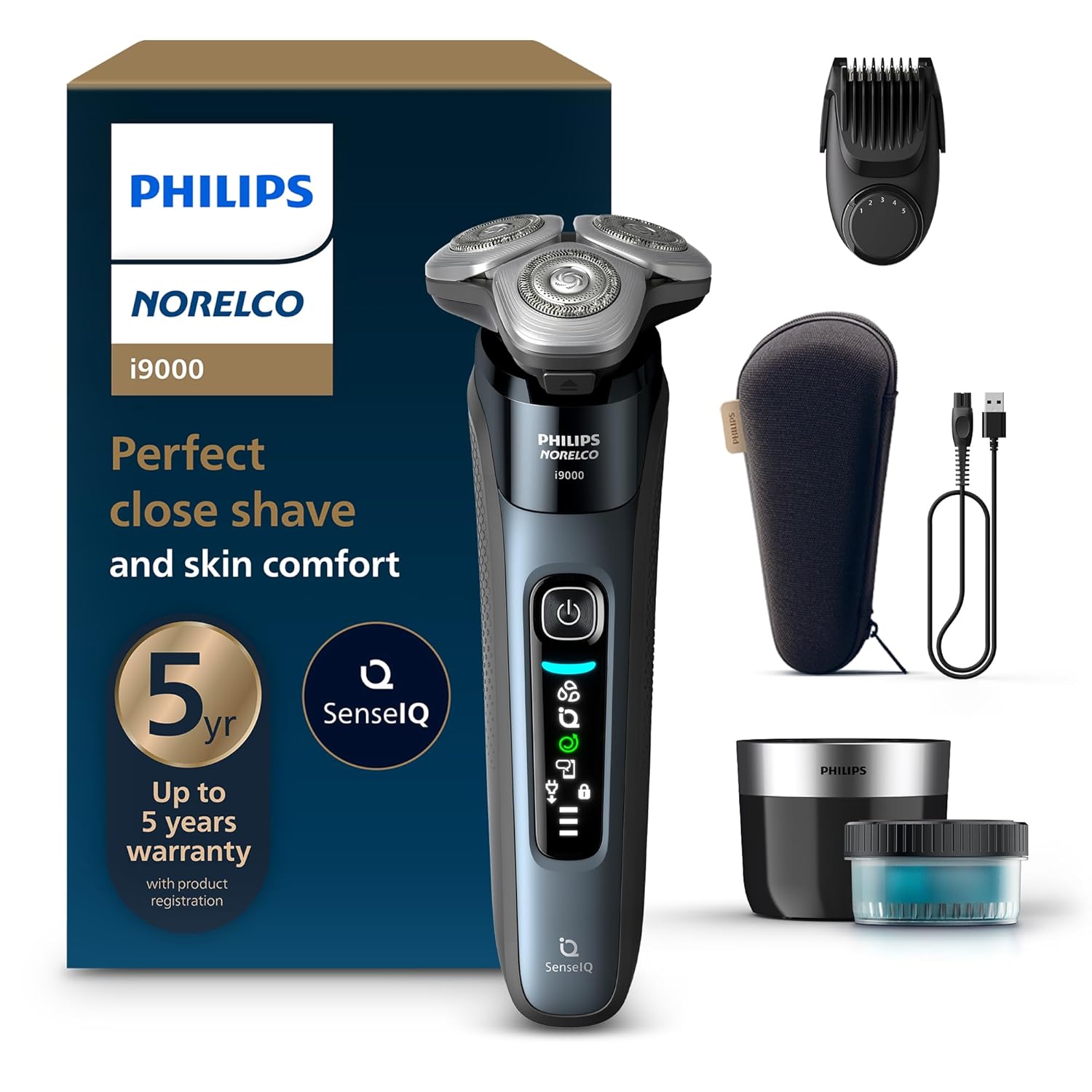
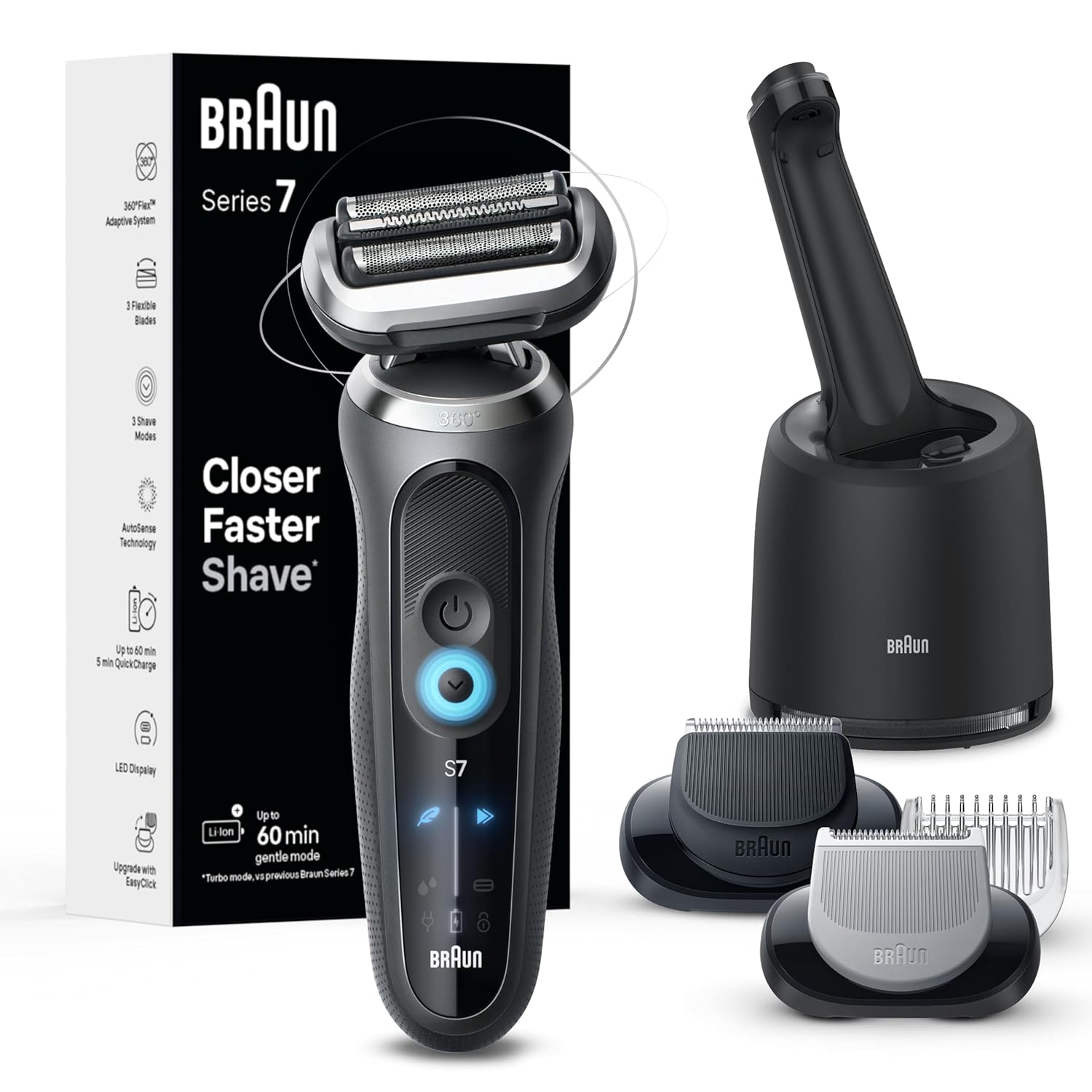
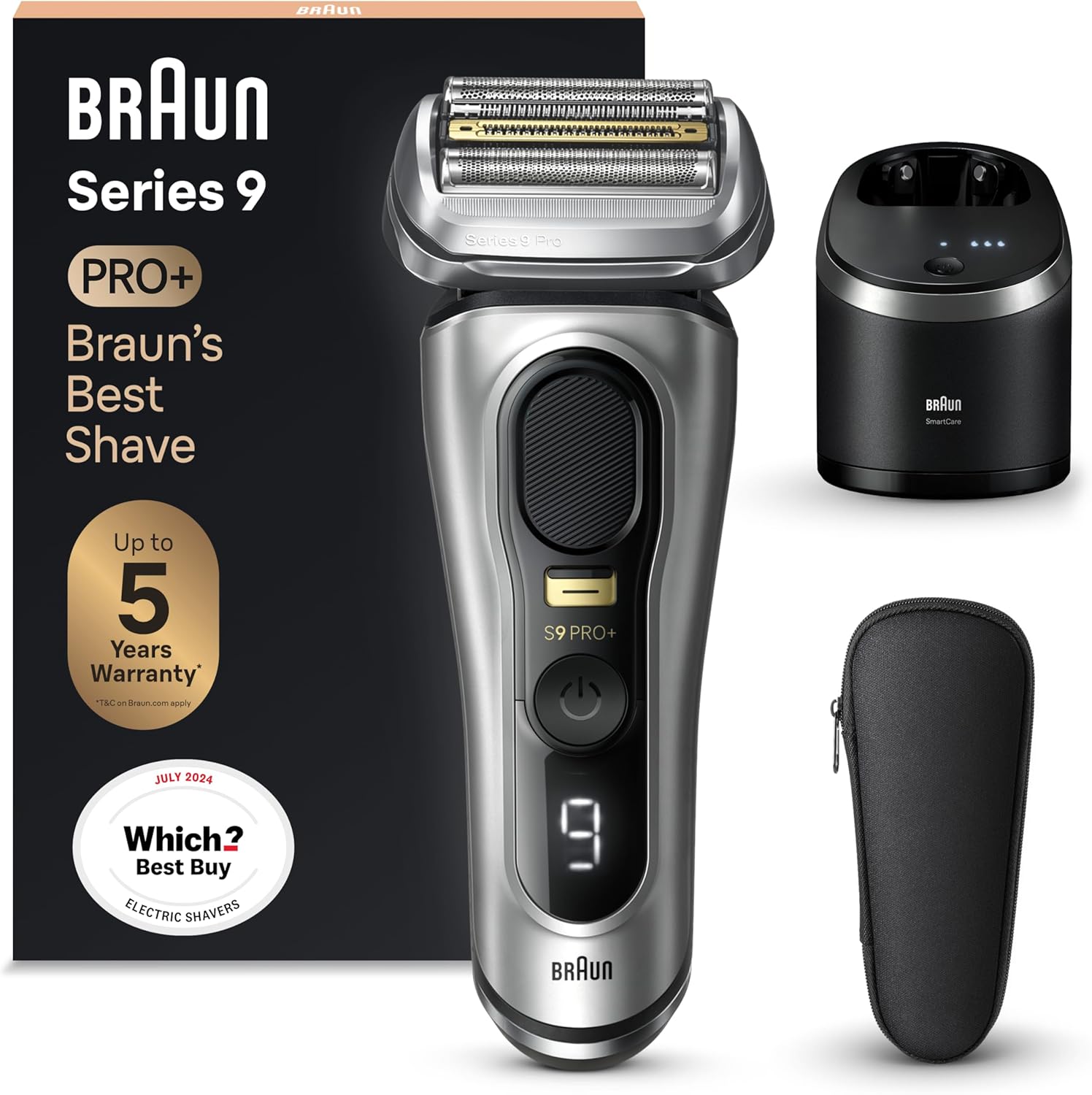
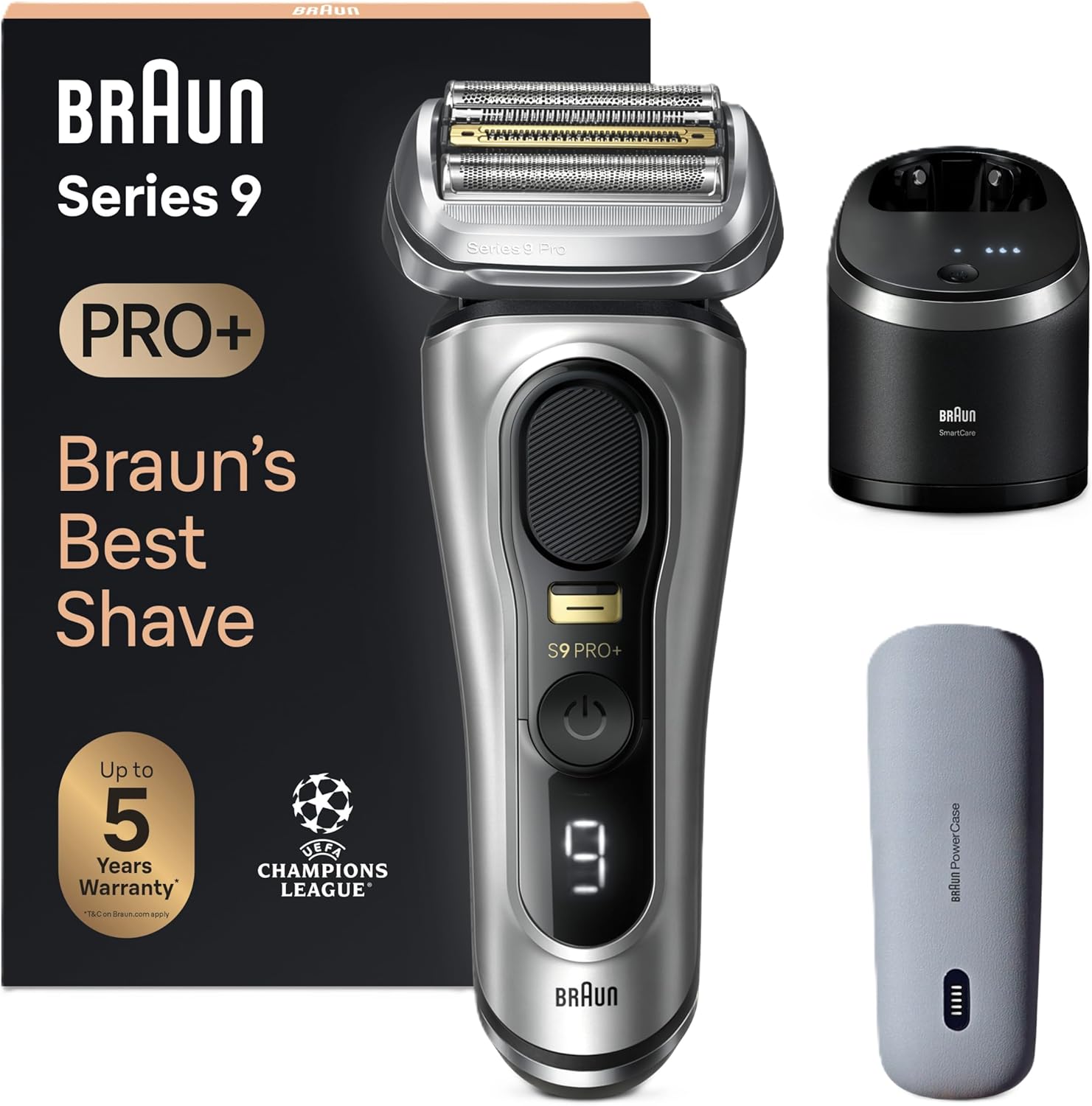
When it comes to wet shaving with an electric razor, not all devices are created equal. The right choice can make a big difference in comfort, efficiency, and the health of your skin. Here are some essential features and considerations to help you select the best electric shaver for your wet shave routine:
- Waterproof Design: Ensure the electric razor is fully waterproof. This allows you to use it safely with water, shaving cream, or soap cream, and makes cleaning under running water much easier.
- Wet and Dry Compatibility: Some electric shavers are designed for both wet and dry shaving. This flexibility lets you choose between a quick dry shave or a more thorough wet shave with lather and shaving soap.
- Blade Technology: Look for razors with high-quality blades that can handle both short and longer hair. Foil and rotary shavers each have their strengths, so consider your hair type and shaving habits.
- Battery Life and Charging: Wet shaving can take a bit more time, especially if you use a brush and shaving cream. A long-lasting battery or quick charge feature is helpful for uninterrupted shaves.
- Ergonomics and Grip: Wet hands and shaving water can make razors slippery. Choose a model with a textured, non-slip grip for better control, especially when using hot water or shaving in the shower.
- Ease of Cleaning: After a wet shave, cleaning is crucial. Some electric razors come with cleaning stations or are easy to rinse under water, which helps maintain blade performance and hygiene.
Matching Your Shaving Routine and Skin Needs
Your skin type, hair thickness, and shaving preferences all play a role in choosing the right electric razor. If you have sensitive skin, look for models designed to minimize irritation and cuts. Those who prefer a traditional wet shave experience may want a shaver that works well with shaving soap, cream, and a brush, mimicking the feel of a manual razor or safety razors.
Some users find that a double edge or single blade manual razor gives a closer shave, but modern electric razors are closing the gap, especially when used with a good lather and proper pre shave and post shave care. Multi blade systems can be effective for thick hair, while foil razors are often gentler on the face.
Comparing Popular Electric Shaver Types
| Shaver Type | Best For | Wet Shaving Suitability |
|---|---|---|
| Foil Electric Razor | Sensitive skin, daily shaving | Excellent with shaving cream or soap |
| Rotary Electric Razor | Thicker hair, longer stubble | Good with shaving water and lather |
| Manual Razor (Safety/Double Edge) | Traditional wet shave enthusiasts | Requires shaving soap, brush, and hot water |
Final Tips for a Smoother Wet Shave
- Always use a quality shaving cream or soap to create a rich lather. This helps the razor glide smoothly and reduces the risk of cuts.
- Prep your face with warm water before shaving to soften hair and open pores.
- Consider a pre shave routine for extra protection, and don’t skip post shave care to soothe your skin.
- Replace blades or foils regularly for the best results, whether you use an electric or manual razor.
Choosing the right electric shaver for wet shaving is about matching your needs with the right features. Take your time to research, and remember that a good shave is not just about the razor, but also about the products and techniques you use every time you shave.