


What barber clipper sizes mean
Decoding the Numbers on Your Clipper Guards
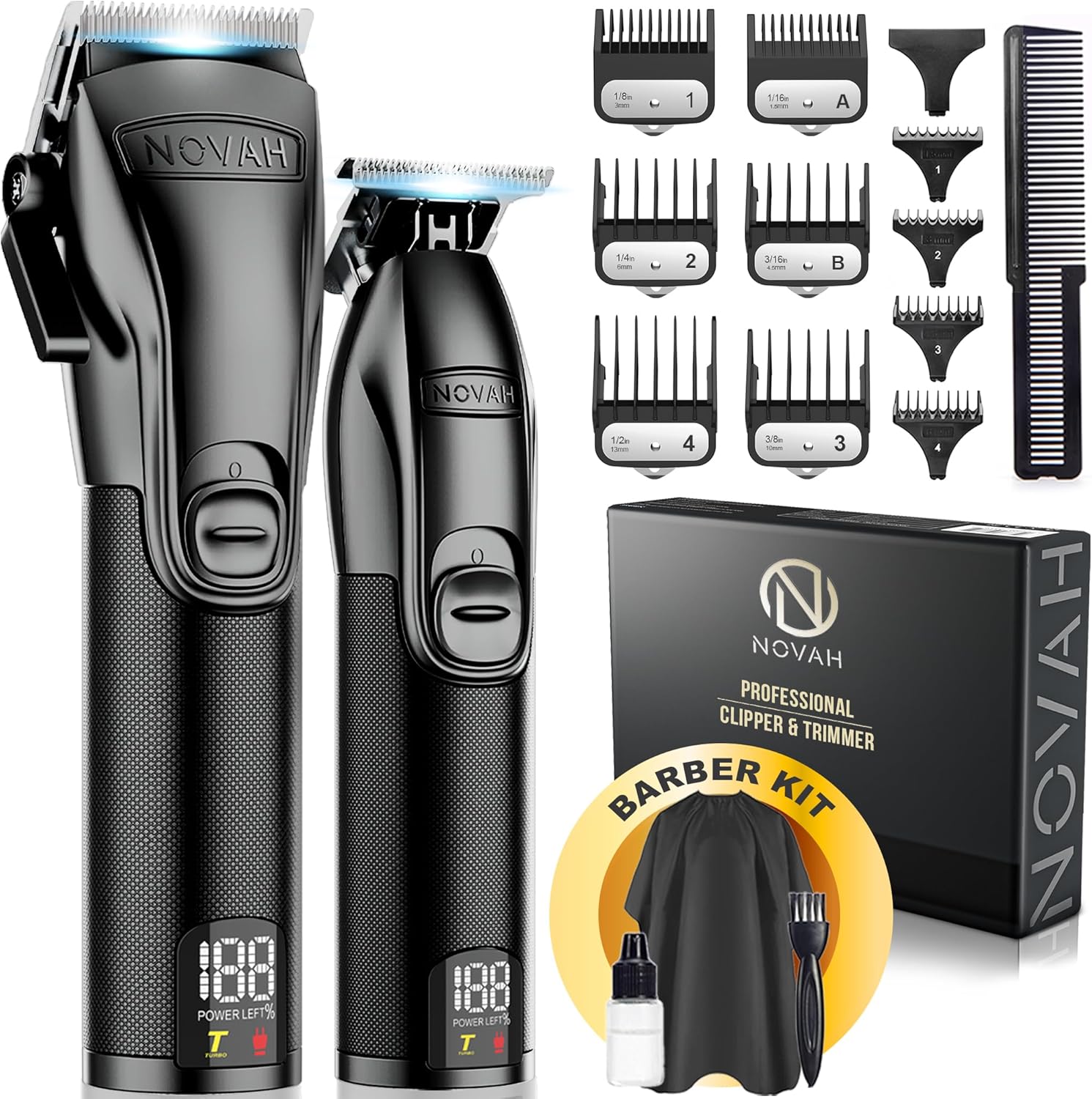
When you visit a barber or use a hair clipper at home, you’ll notice that each clipper guard is marked with a number. These numbers are more than just labels—they represent the length of hair that will be left after the cut, measured in inches or millimeters. For example, a number 1 guard will leave hair very short, about 1/8 inch, while a number 4 guard will leave hair longer, around 1/2 inch. The higher the number, the longer the cut. Understanding these numbers is the first step to getting the haircut style you want, whether it’s a buzz cut, crew cut, fade, or taper.
- Numbered guards: Each number corresponds to a specific length, making it easier to communicate your desired haircut to your barber or to achieve consistent results at home.
- Length in inches: The numbers translate directly to hair length in inches or millimeters, so you can predict how much hair will be left after the cut.
- Guard sizes: Most clipper sets come with guards ranging from number 0 (very close to the skin) up to number 8 or higher for longer styles on top.
Clipper guards are essential for achieving popular styles like the skin fade, taper, or a classic buzz. The right guard size helps you control the length and shape of your haircut, whether you want a low maintenance look or a more styled finish. If you’re interested in refining your haircut’s edges or achieving a sharper look, consider learning about using an edger attachment with your clipper.
It’s also important to note that some clippers have a taper lever, which lets you make slight adjustments to the length without changing the guard. This feature is useful for blending and creating smooth transitions in fades or tapers. As you explore different haircut numbers and styles, you’ll find that understanding guard sizes is key to mastering your haircuts at home or communicating clearly with your barber.
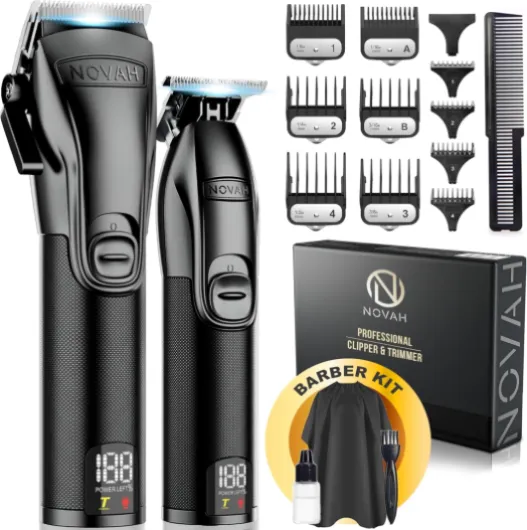
- + Professional quality for barbers
- + Cordless design for convenience
- + Complete haircut kit with trimmer
- + Easy to use for home and professional
- + Versatile for different haircut styles

Why clipper size matters for your haircut
How the Right Clipper Size Impacts Your Haircut
Choosing the correct clipper guard size is crucial for achieving your desired haircut style. Each guard, often marked by a number, determines how much hair will be left after the cut. For example, a lower number clipper guard, like a number 1 or 2, will leave hair very short, ideal for a buzz cut or skin fade. On the other hand, higher numbers, such as a number 6 or 8, will leave hair longer, perfect for those who prefer more length on top or a classic crew cut.
- Length control: Clipper guard sizes are measured in inches or millimeters, so knowing the number helps you control the exact length of your haircut. This is especially important for styles like fades, tapers, or when blending different lengths.
- Consistency: Using the same guard size ensures your haircut remains even and consistent throughout. This is key for low maintenance styles and for those who cut their own hair at home.
- Versatility: Different guard sizes allow you to experiment with various styles, from short buzz cuts to longer, layered looks. Adjusting the taper lever can further fine-tune the length between guard sizes for a more customized cut.
Understanding the relationship between clipper numbers and the length they leave is essential for communicating with your barber or achieving professional results at home. If you want to learn more about how electric shavers differ from trimmers and how that affects your haircut, check out this guide on shaving vs trimming with electric shavers.
Remember, the right guard size not only affects the look of your cut but also how easy it is to maintain. Whether you prefer a short, sharp style or a longer, textured top, knowing your clipper guard numbers is the foundation for a great haircut.
Common clipper sizes and their uses
Popular clipper guard numbers and their results
Understanding the most common clipper guard sizes can make a big difference in achieving your desired haircut style. Each guard is labeled with a number, which directly relates to the length of hair it will leave after the cut. The higher the number, the longer the hair remains. Here’s a quick guide to help you navigate the most frequently used clipper guards and what they mean for your haircut:
| Clipper Guard Number | Length (inches) | Common Uses |
|---|---|---|
| Number 0 | ~1/16" (no guard) | Skin fade, buzz cut, very short styles |
| Number 1 | 1/8" | Short buzz cuts, close fades, low maintenance cuts |
| Number 2 | 1/4" | Classic crew cut, short tapers, blending fades |
| Number 3 | 3/8" | Longer buzz cuts, textured top, neat short styles |
| Number 4 | 1/2" | Medium length cuts, blending sides, longer top |
| Number 5-8 | 5/8" to 1" | Longer styles, leaving more hair, gradual tapers |
Barbers often use a combination of guards to create popular styles like the fade, taper, or crew cut. For example, a skin fade might start with a number 0 at the base and gradually move up to a number 2 or 3 as you go higher on the head. The taper lever on your hair clipper can also help fine-tune the length between guard sizes, giving you more control over the transition and blending.
- Buzz cut: Usually done with a number 1 or 2 guard for a uniform, short look.
- Crew cut: Often uses a number 2 or 3 on the sides and a longer guard on top.
- Fade: Involves multiple guard sizes, starting short and gradually increasing in length.
- Taper: Uses the taper lever and different guards to blend hair smoothly from short to longer lengths.
Choosing the right guard size is essential for achieving the haircut number and style you want. If you’re unsure, start with a longer guard—remember, you can always cut more, but you can’t put hair back. For more on mastering the technique and getting consistent results with your electric shaver, check out this guide on mastering the art of electric shaving.
Tips for choosing the right clipper size
How to Match Clipper Guard Sizes to Your Desired Haircut
Choosing the right clipper size is essential for achieving the haircut style you want, whether you’re aiming for a classic crew cut, a sharp fade, or a simple buzz cut. Each clipper guard is labeled with a number, and each number corresponds to a specific hair length in inches or millimeters. Understanding these numbers helps you control how much hair you leave on your head and how your final cut will look.- Consider the style you want: If you’re looking for a low maintenance buzz cut, a lower number clipper guard (like #1 or #2) will leave hair very short. For longer styles on top, such as a crew cut, use higher numbers (like #4 or #6) to leave more length.
- Think about the fade or taper: For a skin fade or taper, you’ll use multiple guard sizes, starting with a lower number near the neckline and gradually increasing the guard size as you move up. This creates a smooth transition between lengths.
- Check the guard size in inches: Most clipper guards indicate the length they will leave in inches or millimeters. For example, a #2 guard typically leaves about 1/4 inch of hair, while a #4 guard leaves about 1/2 inch. Always double-check the guard size to match your desired haircut number.
- Use the taper lever for fine adjustments: Many hair clippers have a taper lever on the side. This lever lets you make small changes to the cutting length without switching guards, which is helpful for blending and achieving a more natural look.
- Consult with your barber or stylist: If you’re unsure which number cut will suit your face shape or hair type, ask a professional. They can recommend the best guard sizes for your preferred style and explain how different numbers affect the final result.
How to maintain consistent results with electric shavers
Getting Even Haircuts Every Time
Consistency is key when using electric shavers and clippers for your haircut. Whether you prefer a buzz cut, crew cut, or a classic fade, maintaining the same length and style with each cut can be challenging. Here are some practical tips to help you achieve uniform results every time you use your hair clipper.
- Use the Same Clipper Guard and Number: Always double-check the clipper guard before you start. Each guard size corresponds to a specific number and hair length in inches. For example, a number 2 guard will leave hair about 1/4 inch long. Mixing up guard sizes can lead to uneven cuts, especially on the top or sides.
- Work in Sections: Divide your hair into manageable sections. Start with the sides, then move to the back, and finish with the top. This approach helps you keep track of which areas have already been cut and ensures a more balanced result.
- Use the Taper Lever: The taper lever on your clipper allows for small adjustments in length without changing the guard. This is especially useful for blending and achieving a smooth fade or taper. If you want a skin fade or a more gradual transition, gently move the lever as you cut.
- Maintain the Right Angle and Motion: Hold the clipper flat against your scalp and use a steady, rocking motion. This technique helps the clipper guard glide evenly, preventing missed spots or uneven lengths. Avoid pressing too hard, as this can cause the guard to shift and cut shorter than intended.
- Check Your Progress: Pause occasionally to check your haircut in the mirror. Run your fingers through your hair to feel for any uneven spots. If you find areas that are longer, go over them again with the same number clipper guard.
- Keep Your Clippers Clean and Sharp: Regularly clean your clipper blades and guards after each use. Dull blades or clogged guards can tug at hair and result in inconsistent cuts. Oil the blades as recommended by the manufacturer to ensure smooth operation.
Maintaining Your Preferred Style
Once you find the right guard size and haircut number for your desired style, stick with it for future cuts. If you like a low maintenance look, such as a buzz cut or short taper, using the same guard and technique each time will help you maintain a neat appearance. For longer styles on top or more complex fades, keep track of the guard sizes and lever settings you use. This way, you can easily replicate the look at your next haircut.
Remember, the key to consistent results is preparation, attention to detail, and proper clipper maintenance. With practice, you’ll be able to achieve professional-looking haircuts at home, whether you’re aiming for a classic crew cut, a sharp skin fade, or a simple number cut that leaves hair at your preferred length in inches.
Troubleshooting common issues with clipper sizes
Solving Uneven Hair Lengths and Patchy Cuts
If your haircut ends up uneven or patchy, it’s often due to inconsistent use of the clipper guard or not following the natural shape of your head. Always double-check that the guard is securely attached before you start. Use a steady rocking motion and keep the clipper flat against your scalp to ensure the guard will leave hair at the intended length. If you notice lines or steps between different guard sizes, blend them using the taper lever or by overlapping guard numbers for a smoother fade.Dealing with Stuck or Pulling Clippers
Clippers that pull or snag hair can make your haircut uncomfortable and uneven. This usually means the blades need cleaning or oiling. Remove the guard and brush away any hair from the blades. Apply a drop of clipper oil and run the clipper for a few seconds. Regular maintenance helps keep the cut smooth and prevents damage to both the hair and the clipper.Understanding Guard Numbers and Lengths
Confusion about guard sizes and haircut numbers is common. Each number clipper guard corresponds to a specific hair length in inches or millimeters. For example, a number 1 guard will leave hair about 1/8 inch long, while a number 4 guard will leave hair at half an inch. Double-check the guard size before starting, especially if you want a longer style on top or a short fade on the sides. Mixing up guard sizes can result in a much shorter or longer cut than intended.- Number 1: 1/8 inch – great for a buzz cut or skin fade
- Number 2: 1/4 inch – popular for low maintenance cuts
- Number 3: 3/8 inch – leaves hair longer, good for crew cut styles
- Number 4: 1/2 inch – ideal for a longer, classic look
When Fades and Tapers Don’t Blend
If your fade or taper doesn’t blend smoothly, try adjusting the taper lever slightly between guard sizes. This helps create a seamless transition between different lengths. Take your time and use shorter strokes, especially around the sides and back. If you’re aiming for a cut fade or skin fade, start with a lower guard and gradually move up to longer guards as you move up the head.Guards Popping Off Mid-Cut
A loose clipper guard can ruin a haircut by leaving an unintended patch. Always check that the guard clicks firmly into place before you begin. Avoid forcing the clipper through thick hair—if needed, use a longer guard first, then switch to a shorter one for the final length. This helps prevent the guard from coming loose and ensures a consistent cut.Tips for Consistent Results
- Always start with clean, dry hair for the most accurate cut
- Double-check guard sizes before each section
- Use the rocking motion for even results
- Clean and oil your hair clipper regularly
- Take your time, especially when blending different guard sizes