

Understanding dog trimmer blades and their importance
Why the Right Blade Matters in Dog Grooming
When it comes to grooming your dog, the choice of clipper blades is more important than many realize. The blade is the part of the clipper that actually comes into contact with your dog's coat, determining the cut length, finish, and overall comfort for your pet. Whether you’re using a detachable blade system or a fixed one, the right blade item can make grooming sessions smoother and safer for both you and your dog.
How Blades Impact Grooming Results
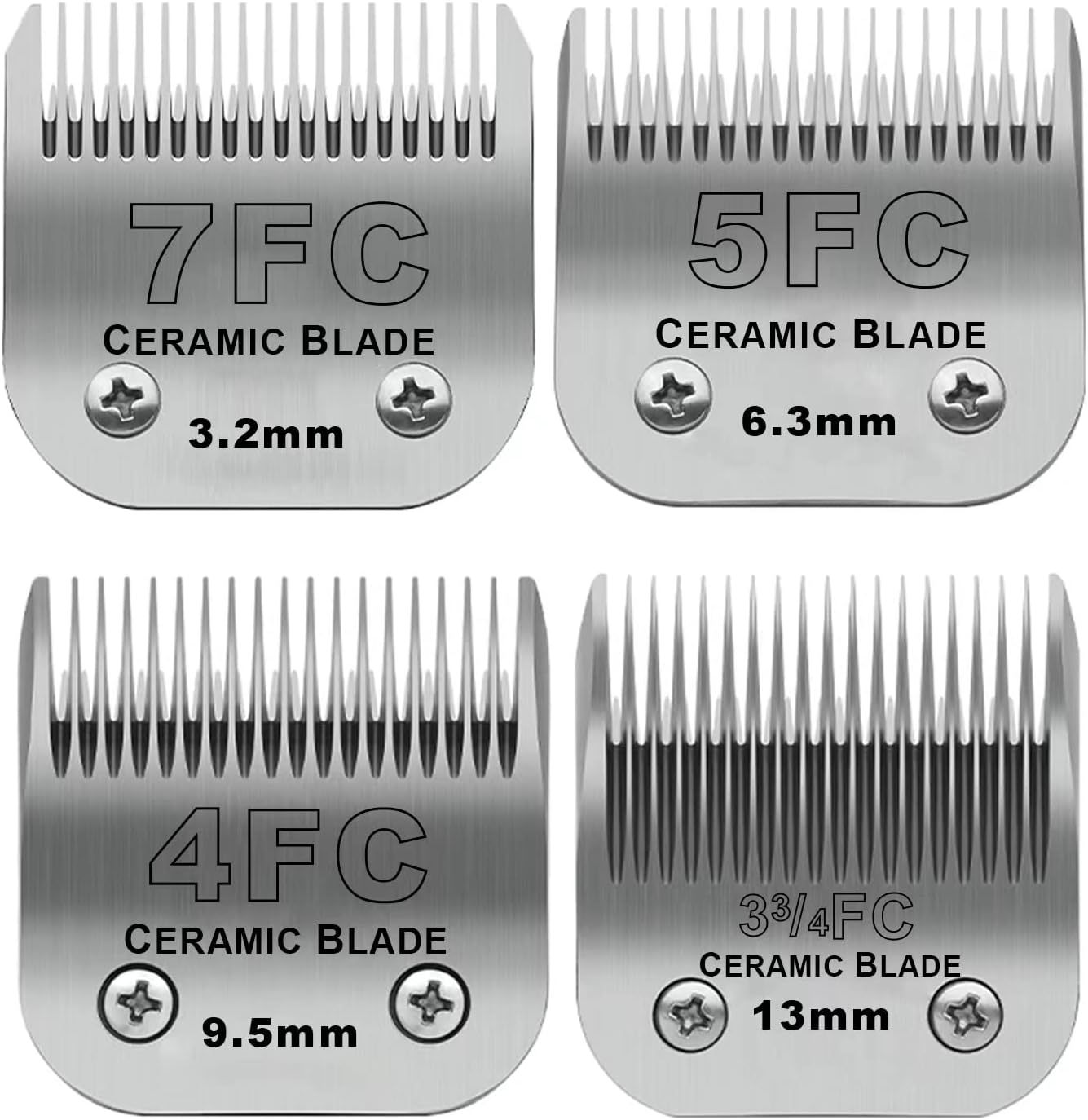
Different blades are designed for specific coat types and grooming needs. For example, wide blades are ideal for covering large areas quickly, while skip tooth blades help tackle thick or matted coats. The tooth design, whether fine or skip, influences how the blade glides through the fur. A finish blade, sometimes called a "ceramicedge" or "andis ceramicedge," is engineered for a smooth, polished look. Comparing blade size and tooth item is crucial for achieving the desired cut length and finish.
- Blade size: Dictates the length of hair left after cutting
- Tooth design: Impacts how the blade handles different coat textures
- Material: Options like stainless steel or ceramic affect durability and performance
- Series and stock: Some brands offer a wide list of blade series, each with unique features
Comparing Blade Types and Prices
When you compare clipper blades, consider not just the cut length but also the price and availability. Some blades, like the andis ceramicedge, are known for their longevity and low maintenance needs. Others may be more affordable but require frequent replacement. It’s helpful to create a blade list or use a list compare tool to evaluate which blade item best suits your grooming routine and budget.
Expert Insights on Dog Clipper Blades
Choosing the right dog clipper blade is about more than just picking an item from stock. It’s about understanding your dog’s coat, the type of finish you want, and the specific grooming challenges you face. For a deeper dive into what sets certain clippers and blades apart in the market, check out this expert analysis of top-rated dog clipper brands. This resource can help you compare series, blade size, and finish options to find the best fit for your needs.

Different types of dog trimmer blades explained
Comparing Popular Dog Clipper Blades
When it comes to grooming your dog, choosing the right clipper blade is essential for achieving the desired finish and ensuring your pet’s comfort. There are several types of blades available, each designed for specific coat types, cut lengths, and grooming tasks. Understanding the differences can help you make a more informed decision and avoid common issues like uneven cuts or skin irritation.
- Standard Blades: These are the most common clipper blades, suitable for general grooming. They come in a range of sizes, allowing you to select the cut length that matches your dog’s coat needs.
- Skip Tooth Blades: Skip tooth blades have wider gaps between the teeth, making them ideal for cutting through thick, matted, or coarse coats. They help to quickly remove bulk and are often used as a first pass before finishing with a finer blade.
- Finish Blades: Finish blades, sometimes called fine-tooth blades, provide a smooth, even cut. They’re perfect for the final grooming stage, leaving the coat looking polished and neat.
- Wide Blades: Wide blades cover more area in a single pass, making them efficient for grooming larger dogs or for professional groomers working with multiple pets. Wide item options are especially useful for saving time on full-body trims.
- CeramicEdge Blades: Brands like Andis offer Ceramicedge blades, which stay cooler and sharper for longer periods. These are a good investment if you groom frequently or have a dog with a dense coat.
- Detachable Blades: Detachable blade systems allow you to quickly switch between different blade sizes and types, making it easy to adapt to various grooming needs without having to buy multiple clippers.
Key Features to Compare
When you compare clipper blades, consider these factors:
- Blade Size: The size determines the cut length. A low list of blade sizes is available, each suited for different coat lengths and styles.
- Tooth Design: Tooth item variations, such as skip tooth or fine tooth, affect how the blade handles different coat types.
- Material: Stainless steel is common, but ceramic blades like the Andis Ceramicedge series offer durability and reduced heat buildup.
- Price and Stock: Compare price points and check if the blade item is in stock, especially if you need a specific wide or finish blade.
Matching Blades to Your Grooming Needs
Each dog’s coat is unique, so the right blade depends on factors like coat thickness, desired cut length, and whether you’re doing a full trim or just touch-ups. For a detailed breakdown of how specific clipper blades perform and why certain brands like Heiniger Opal clippers are highly regarded in the grooming world, you can read more in this guide to Heiniger Opal clippers.
Remember, the right blade not only makes grooming easier but also keeps your dog comfortable and safe throughout the process. In the next section, we’ll discuss how to match blade size to your dog’s coat for the best results.
How to match blade size to your dog's coat
Finding the Right Blade Size for Your Dog’s Coat
Matching the correct blade size to your dog’s coat is essential for both the look and health of your pet. The blade size determines the cut length, which directly affects the finish and comfort of your dog after grooming. Whether you’re using a detachable blade system or a fixed clipper, understanding the numbers and types is key.
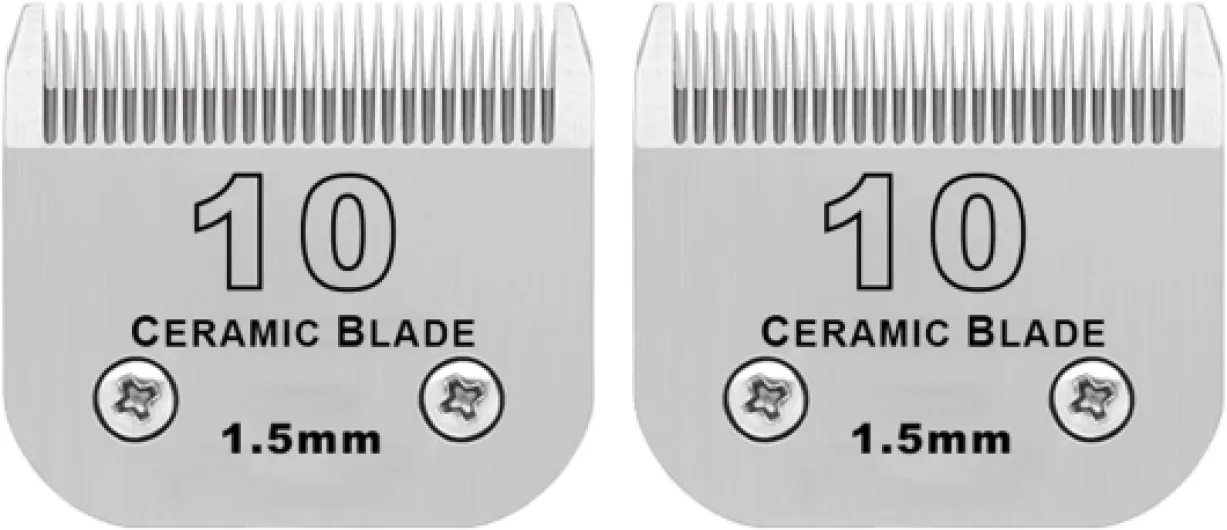
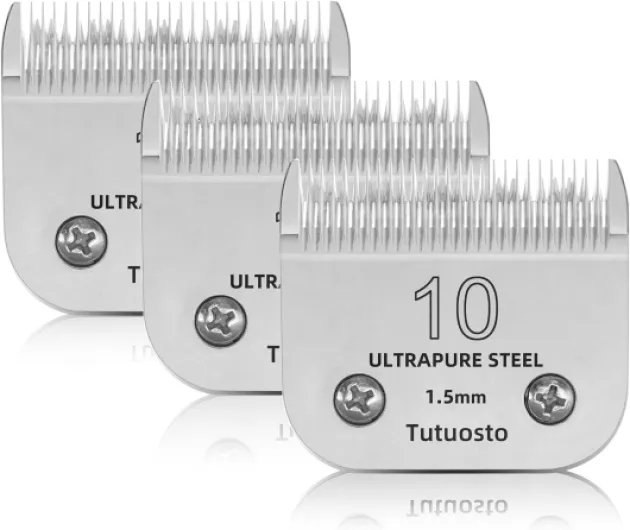
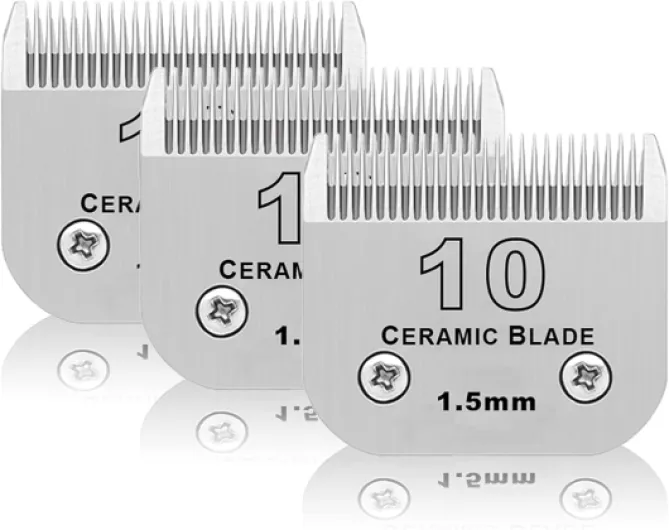
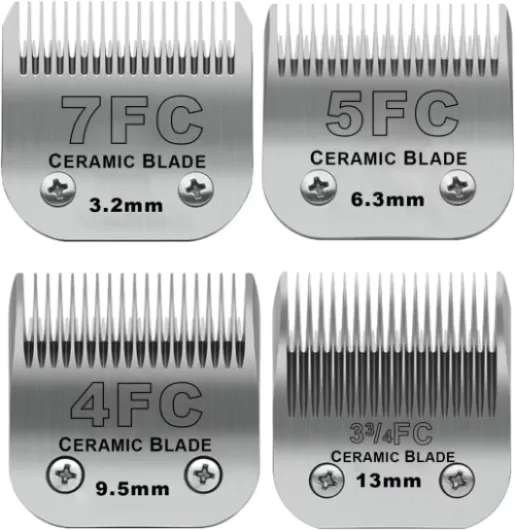
- Blade size and cut length: Each blade is marked with a number or code that indicates how much hair will be left after trimming. For example, a #10 blade typically leaves about 1/16 inch of hair, while a #7 blade leaves more. Always check the blade list or packaging for the exact cut length.
- Coat type matters: Dogs with thick or matted coats often require wide blades or skip tooth blades, which help glide through dense fur. Fine or soft coats may benefit from a finish blade or ceramicedge blade for a smoother result.
- Comparing blades: When you compare clipper blades, consider the tooth design. Skip tooth blades are ideal for rough cutting or prepping, while fine tooth blades give a polished finish. The andis ceramicedge series, for example, offers both wide and finish blade options in stock for different grooming needs.
- Price and availability: Blade price can vary based on material, brand, and features like ceramic cutters. Always check the item list and stock status before purchasing, especially if you need a specific wide item or low list blade for your dog clipper.
For a detailed guide on safely using electric shavers, especially if you plan to groom your dog in the shower, check out this resource on safe electric shaver use in the shower.
Remember, the right blade size and type not only make grooming easier but also ensure your pet’s comfort and safety. Always refer to the blade list compare chart provided by the manufacturer to match your dog’s coat length and texture with the ideal clipper blade item.
Maintenance tips for long-lasting blades
Keeping Your Dog Clipper Blades in Top Shape
Regular maintenance is key to extending the life of your dog clipper blades and ensuring a smooth grooming experience. Whether you use detachable blade systems, wide blades, or specialized items like the Andis CeramicEdge series, proper care can make a big difference in both performance and price over time.- Clean After Every Use: Remove hair and debris from the blade item and clipper body after each grooming session. Use a soft brush or a dedicated cleaning tool to get into the tooth and cutter areas. This helps prevent buildup that can dull the blade and affect the finish.
- Oil Regularly: Apply a few drops of clipper oil along the blade edge and between the teeth. This reduces friction, keeps the cut length consistent, and helps prevent overheating, especially with wide or skip tooth blades.
- Disinfect for Hygiene: After cleaning, use a blade-safe disinfectant spray. This is especially important if you groom more than one dog or use your dog clipper for both pets and professional grooming. It keeps the blade list sanitary and safe for every coat type.
- Check for Damage: Inspect the blade item for chips, bent teeth, or signs of rust. Damaged blades can pull hair or cause uneven results, so replace or repair as needed. Compare your current blades with a low list of backup items in stock to ensure you always have a sharp option ready.
- Sharpen or Replace When Needed: Even high-quality options like the Andis CeramicEdge or finish blade series will eventually dull. Professional sharpening services can restore the edge, but sometimes it’s best to replace the blade, especially if the item is wide or has a complex tooth design.
| Blade Type | Maintenance Frequency | Special Notes |
|---|---|---|
| Detachable Blade | After every use | Easy to remove for deep cleaning |
| Wide Blades | After every use | Pay extra attention to tooth area |
| Skip Tooth | After every use | Check for snagging or bent teeth |
| CeramicEdge | Weekly oiling | Less heat, but still needs cleaning |
Safety considerations when using electric shavers
Key Practices for Safe Grooming Sessions
When using electric shavers and clipper blades on your dog, safety should always come first. The right approach not only protects your pet but also extends the life of your grooming tools. Here are some essential safety tips to keep in mind:- Check blade temperature regularly: Clipper blades, especially detachable blade models, can heat up quickly. Always pause to touch the blade item to your wrist. If it feels hot, switch to a cool blade or use a cooling spray. Overheated blades can cause discomfort or burns to your dog’s skin.
- Use the correct blade size and type: Matching the blade size and tooth item to your dog’s coat length and texture is crucial. Wide blades and skip tooth blades are designed for different coat types. Using the wrong item can pull hair or nick the skin, so compare the blade list and choose the right one for your grooming needs.
- Secure your dog properly: Dogs can move suddenly during grooming. Make sure your pet is calm and secure before you start. This helps prevent accidental cuts and ensures a smooth finish blade result.
- Inspect blades for damage: Before each session, check your clipper blades for chips, rust, or dullness. Damaged blades can snag fur or scratch the skin. Keep a low list of backup blades in stock, especially if you use wide item or andis ceramicedge series blades.
- Keep blades clean and lubricated: A well-maintained blade glides smoothly and reduces the risk of skin irritation. Clean and oil your blades after every use to prevent buildup and maintain a sharp cutter edge.
- Be mindful of sensitive areas: Areas like the face, paws, and belly require extra care. Use a smaller blade size or a finish blade for these zones, and go slowly to avoid accidental nicks.
Common Mistakes to Avoid
- Forcing the clipper: If your clipper blade struggles through thick or matted fur, stop and switch to a more suitable blade item or detangle the coat first. Forcing the blade can damage both the tool and your dog’s skin.
- Ignoring blade compatibility: Not all blades fit every clipper. Always check the blade list and compare compatible items before purchasing or attaching a new blade.
- Skipping regular maintenance: Neglecting to clean, oil, or replace blades can lead to poor grooming results and increase the risk of injury.
Essential Safety Gear and Environment
- Use a non-slip mat to prevent your dog from slipping during grooming.
- Keep your grooming area well-lit so you can see the coat and blade clearly.
- Have a first aid kit on hand in case of minor nicks or cuts.
By following these safety tips, you can ensure a comfortable and safe grooming experience for both you and your dog. Always compare your clipper blade options and keep your tools in top condition for the best results.
Troubleshooting common issues with dog trimmer blades
Common Problems and Practical Solutions
When using dog clipper blades, it’s not unusual to encounter a few hiccups. Here’s a list of frequent issues and how you can address them to keep your grooming sessions smooth:- Blade Not Cutting Properly: If your blade seems dull or pulls at your dog’s coat, check for hair or debris caught between the teeth. Clean the blade thoroughly and oil it to restore performance. If the problem persists, compare the blade item with a new one to see if replacement is needed.
- Clipper Overheating: Overheating can be uncomfortable for your dog. This often happens with detachable blade models or when using wide blades for extended periods. Let the clipper cool down, and consider using a finish blade or andis ceramicedge blade, which are designed to run cooler. Always have a backup blade in stock to swap out during long grooming sessions.
- Uneven Cut Length: If the coat looks patchy, double-check the blade size and tooth item. Using the wrong size or a skip tooth blade on a fine coat can lead to uneven results. Refer to your blade list to match the right blade size to your dog’s coat length and texture.
- Blade Gets Stuck or Jams: This can happen if the blade or cutter is clogged with hair. Remove the blade, clean it, and check for any damage. For wide item blades, make sure they’re properly aligned before reattaching.
- Rust or Corrosion: Blades low on maintenance can develop rust, especially if not dried after cleaning. Always dry and oil your blades after each use to prevent this. Ceramicedge blades are less prone to rust, making them a good item to compare if you’re looking for durability.
When to Replace or Upgrade Your Blades
Sometimes, maintenance isn’t enough. Here’s how to know when it’s time to replace your clipper blade:- If the blade item remains dull after sharpening or cleaning
- When the finish blade leaves lines or snags in the coat
- If the blade size you have doesn’t suit your dog’s current grooming needs
- When you notice visible damage to the tooth or cutter