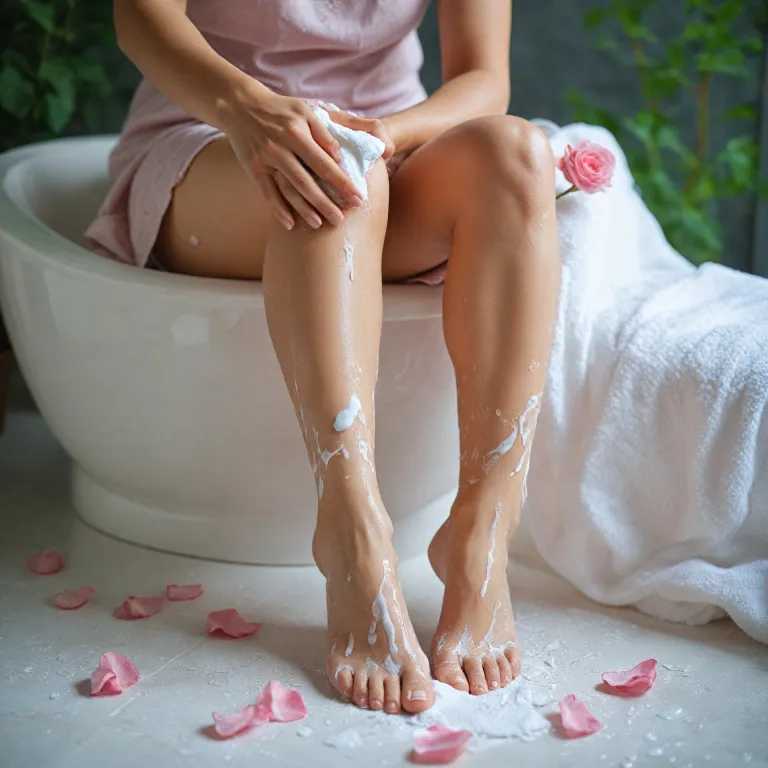

How shaving foam for ladies shapes the modern shaving routine
Shaving foam for ladies has become central to how women manage hair removal at home. A well formulated shaving foam, cream, or gel protects the skin and guides every shave for a smoother result. When women compare shaving creams and shaving gels, they quickly see how texture, glide, and hydration influence both comfort and the final smooth shave.
Many women still reach for basic soap, yet dedicated shaving foam for ladies is designed to respect sensitive skin and reduce bumps. These creams and gels cushion the razor, soften hair, and create a protective barrier that limits friction during skin shaving. By choosing the best shaving cream or best shaving gel women can transform a rushed shave into a more precise, close grooming ritual.
Formulas marketed as shaving foam for ladies often combine humectants, emollients, and mild surfactants to balance cleansing with moisture. This balance matters for dry skin, because repeated women shaving without protection can strip natural oils and leave the skin tight. A richer shave cream or cream shaving option can help the skin shave process feel more like skincare than a chore.
Consumers also navigate a crowded market of products on Amazon and in pharmacies, where shaving creams, shaving gels, and foam shaving options compete for attention. Labels highlight benefits such as sensitive skin care, close shave performance, and fewer bumps after hair removal. Understanding how each shaving foam, shave gel, or gel women formula behaves on the skin allows women to match products to their own shaving habits.
Key ingredients that protect skin during women shaving
The ingredients inside shaving foam for ladies determine whether the shave feels harsh or indulgent. A quality shaving cream or shaving gel should soften hair quickly, allowing the razor to glide with minimal pressure and fewer passes. This is especially important for sensitive skin, where repeated strokes can trigger redness, razor bumps, and lingering irritation.
Many women look for glycerin rich shaving creams and shaving gels that draw water into the skin and keep it supple. When the skin remains hydrated, the foam shaving layer stays stable, supporting a close yet smooth shave with less tugging on each hair. For dry skin, cream shaving formulas with added oils or butters can create a more substantial cushion between blade and skin.
Fragrance and alcohol content also matter in shaving foam for ladies, particularly for women prone to sensitivity. Strong perfumes in shave cream or shave gel can disrupt the skin barrier and make post shave stinging more likely. Choosing fragrance free shaving creams or gentle gel women options can therefore be a wise strategy for regular hair removal.
Women who use electric tools alongside razors may also explore specialist resources, such as this guide on the benefits of a foil shaver, to understand how pre shave products interact with devices. Even when using electric shavers, a light shaving gel or foam shaving layer can reduce friction on dry skin. Ultimately, aligning ingredients with individual skin shave needs is the foundation of best shaving practice for women.
Choosing between foam, gel, and cream shaving textures
Texture is one of the most personal aspects of shaving foam for ladies, influencing both feel and performance. Traditional foam shaving products expand quickly, covering large areas of skin and making leg or underarm shaving efficient. However, some women find that dense shaving gels or rich shaving creams offer better visibility and control for a close shave.
Shaving gel tends to be transparent or lightly opaque, which helps women see the hair and skin underneath while they shave. This can be especially useful around knees, ankles, and bikini lines, where precise skin shaving reduces the risk of nicks and bumps. Many gel women formulas also contain lubricating polymers that cling to the skin, supporting a smoother razor glide.
Shave cream and cream shaving options usually feel thicker and more nourishing, which benefits dry skin and sensitive skin. These shaving creams may require a bit more rinsing, yet they often leave the skin soft after hair removal, even without heavy body lotion. Women who value a spa like ritual often prefer these creams, especially when combined with a high quality razor.
Foam shaving products remain popular because they are quick, affordable, and widely available on Amazon and in supermarkets. Brands such as Skintimate, Gillette, and Gillette Venus offer shaving foams, shaving gels, and shaving creams tailored to women shaving needs. For readers interested in pairing these products with advanced devices, this detailed overview of a modern Braun razor shows how lubrication and blade design work together for a smooth shave.
Managing sensitive skin, bumps, and dry skin challenges
For many women, the main barrier to regular hair removal is not time but discomfort. Sensitive skin can react strongly to shaving foam for ladies that contains harsh surfactants, heavy fragrance, or drying alcohols. When the wrong shaving cream or shaving gel is used, women shaving may experience bumps, redness, and a burning sensation that lingers after the shave.
Choosing products labeled for sensitive skin is a logical starting point, yet not all sensitive shaving creams and shaving gels are equal. Women should look for foam shaving or gel women formulas that mention dermatological testing, minimal fragrance, and soothing ingredients such as aloe or oat extracts. These details suggest the shave cream or cream shaving product is designed to support the skin barrier rather than strip it.
Dry skin adds another layer of complexity, because the skin surface already lacks sufficient moisture and lipids. In this case, a richer shaving foam for ladies or a dense shave gel can help maintain hydration during skin shaving, especially on legs and arms. After rinsing, applying a fragrance free moisturizer locks in water and further reduces the risk of post shave flaking.
Razor choice also influences how the skin responds, since dull blades tug at hair and create micro tears that lead to bumps. Pairing a sharp Gillette or Gillette Venus razor with a cushioning shaving cream or shaving gel can significantly improve comfort and reduce ingrown hairs. Over time, this thoughtful combination of products and technique turns women shaving from a source of irritation into a predictable, smooth shave routine.
How women evaluate the best shaving products and tools
When women search Amazon or local stores for the best shaving foam for ladies, they juggle price, performance, and skin compatibility. Reviews often highlight whether a shaving cream or shaving gel truly delivers a close shave without causing bumps or dryness. These real world experiences help other women decide which shaving creams, shaving gels, or foam shaving options are worth trying.
Many shoppers compare Skintimate, Gillette, and Gillette Venus offerings, noting differences in scent, texture, and how the skin feels hours after hair removal. A product that leaves the skin soft and calm, even on sensitive skin, quickly earns a reputation as a best shaving choice. Conversely, a shave cream that smells pleasant but causes irritation will struggle to retain loyal users.
Beyond the can of shaving foam, women increasingly pay attention to razors and electric tools that complement their chosen products. Some explore specialist clippers for body hair management, such as those reviewed in this professional clipper test, to understand blade technology and maintenance. While that particular device targets animals, the underlying principles of sharpness, motor power, and ergonomics still inform how consumers think about human grooming tools.
Ultimately, the best shaving routine for women balances a protective shaving foam for ladies, a reliable razor, and realistic expectations about skin shave outcomes. No single shave gel, cream shaving formula, or razor will suit every skin type or hair texture equally well. By observing how their own skin responds to different shaving creams and shaving gels, women can refine a personal routine that consistently delivers a smooth shave.
Integrating shaving foam into a broader skin care ritual
Shaving foam for ladies works best when it is part of a wider skin care strategy rather than an isolated step. Preparing the skin with warm water softens hair and opens pores, allowing shaving creams, shaving gels, or foam shaving products to penetrate more effectively. Gentle exfoliation once or twice a week can also reduce bumps by clearing dead cells that might trap growing hair.
During the shave, applying a generous layer of shave cream, shaving foam, or gel women formula ensures even coverage and consistent glide. Women should move the razor in short, controlled strokes, rinsing frequently to prevent hair and cream buildup that can drag on the skin. For sensitive skin or dry skin, shaving in the direction of hair growth may reduce irritation, even if it sacrifices a slightly closer shave.
After rinsing away the shaving cream or shaving gel, patting the skin dry instead of rubbing helps maintain the barrier. A light, fragrance free lotion or oil then replenishes moisture lost during skin shaving, supporting recovery and resilience before the next hair removal session. Over time, this routine teaches the skin to tolerate women shaving more comfortably, with fewer bumps and less redness.
Women who alternate between razors and electric devices can still rely on shaving foam for ladies to enhance glide and comfort. Whether using Skintimate foam, a Gillette Venus shave gel, or another cream shaving product, consistency in preparation and aftercare matters more than any single brand. By treating shaving creams and shaving gels as integral parts of skin care, women elevate a basic shave into a thoughtful act of self maintenance.
How electric shavers change expectations around women’s shaving foam
The rise of electric shavers has subtly reshaped how women think about shaving foam for ladies and related products. Many modern devices promise a close shave on dry skin, yet users often find that a light shaving gel or foam shaving layer still improves comfort. This is especially true for sensitive skin, where even gentle electric heads can cause friction without some form of lubrication.
Women who rely on electric tools for regular hair removal often keep traditional shaving creams and shaving gels nearby for detailing work. A quick pass with a manual razor, supported by a rich shave cream or cream shaving formula, can refine areas that electric heads miss. In this way, shaving foam for ladies remains relevant even as technology evolves, complementing rather than competing with devices.
Electric shavers also influence expectations about speed and convenience, encouraging women to seek shaving creams and shaving gels that rinse cleanly and leave no residue. Lightweight gel women formulas and airy shaving foams from brands like Skintimate, Gillette, and Gillette Venus respond to this demand. They allow a smooth shave that fits into busy routines without sacrificing skin shave quality.
Ultimately, whether women choose blades, electric tools, or a mix of both, the role of shaving foam for ladies is to protect the skin and support a close, comfortable shave. By understanding how different shaving creams, shaving gels, and foam shaving products interact with razors and devices, women can tailor their approach to their own skin. This thoughtful matching of tools and products turns everyday women shaving into a controlled, skin friendly process.
Key statistics about women’s shaving and skin care
- Global surveys indicate that a majority of women use dedicated shaving creams, shaving gels, or shaving foams rather than soap for body hair removal.
- Dermatological research consistently links the use of lubricating shave cream or shave gel with lower rates of razor bumps and post shave irritation on sensitive skin.
- Consumer data from major retailers such as Amazon show steady growth in demand for foam shaving and gel women products formulated specifically for dry skin and sensitive skin.
- Market analyses highlight that brands like Skintimate, Gillette, and Gillette Venus hold a significant share of the women shaving segment, particularly in shaving creams and shaving gels.
Questions people also ask about shaving foam for ladies
Is shaving foam for ladies really necessary for a smooth shave ?
While it is technically possible to shave with water alone, using shaving foam for ladies, a shaving cream, or a shaving gel significantly improves glide and protection. These products soften hair, reduce friction, and help prevent bumps and cuts on sensitive skin. For most women, they are an essential part of achieving a close, smooth shave.
What is the difference between shaving foam, shaving gel, and shave cream for women ?
Shaving foam expands quickly and feels light, making it convenient for large areas like legs. Shaving gel is denser and often more lubricating, which can benefit sensitive skin and precise skin shaving around ankles or bikini lines. Shave cream or cream shaving formulas are usually richer and more nourishing, ideal for dry skin that needs extra cushioning during hair removal.
Can women with sensitive skin use scented shaving creams and shaving gels ?
Women with sensitive skin can sometimes tolerate lightly scented shaving creams or shaving gels, but fragrance increases the risk of irritation. It is safer to choose foam shaving or gel women products labeled fragrance free or formulated for sensitive skin. Patch testing a new shave cream on a small area first can help identify potential reactions.
How often should women replace their razor when using shaving foam ?
Even with a high quality shaving foam for ladies, dull blades can cause tugging, bumps, and cuts. Many dermatologists suggest replacing a frequently used razor every five to seven shaves, or sooner if it drags on the skin. Pairing fresh blades with protective shaving creams or shaving gels maintains both comfort and hygiene.
Is it better to shave on dry skin or wet skin with foam ?
For most women, shaving on wet skin with warm water and shaving foam, shaving cream, or shaving gel is gentler and more effective. Water softens hair and allows foam shaving products to create a stable, protective layer between blade and skin. Dry skin shaving is generally less comfortable and more likely to cause irritation, even when using a rich shave cream.