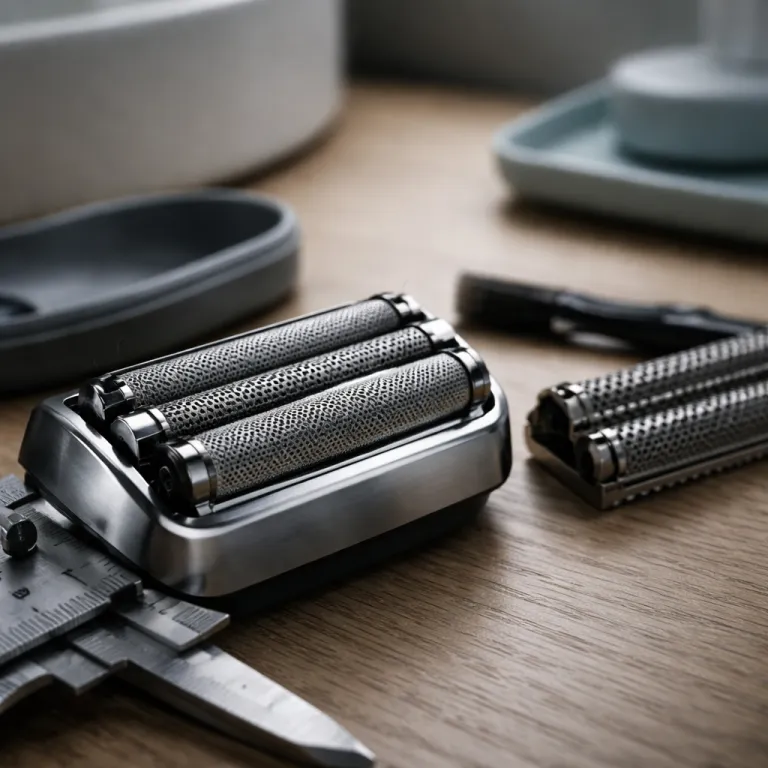
Expensive vs cheap electric shaver difference: where the value cliff really sits
A cheap electric shaver can look tempting when you stand in front of a wall of razors. The real gap between budget and premium models only appears after months of daily electric shaving, when blades dull, motors tire and your skin starts complaining. A thoughtful buyer needs to look past the first close shave and ask how the razor behaves when the honeymoon ends.
Across dozens of electric shavers tested by outlets such as Wirecutter, Consumer Reports and Stiftung Warentest, three things reliably improve as price rises. Blade quality and geometry get better, motor speed stays more consistent under heavy hair, and the flex of the shaving head tracks your face more precisely over the skin. In comparative test reports, higher tier shavers from Braun, Philips Norelco and Panasonic usually score better on closeness and comfort, especially after several days of beard growth.
Take the Braun Series 3 versus the Braun Series 9 Pro as a clear case study. The budget shaver uses simpler blades and a weaker motor, so it needs more passes on dense hair and can tug when you shave two days of growth. The flagship Braun Series 9 Pro feels almost bored by the same beard, keeping the blade speed high and delivering a close shave in fewer strokes, a pattern echoed in long term review data from major testing sites.
Yet the price–performance curve is not linear. Closeness improves dramatically when you move from the very cheapest electric razors to solid mid range shavers, then plateaus once you cross roughly the 200 euro mark. Above that, you mostly pay for nicer materials, a cleaning station and sometimes gimmicks that do not change how close the blade cuts hair or how long the shave feels smooth.
Battery life is another area where marketing overpromises. Independent lab measurements from reviewers like RTINGS and major consumer magazines show that most modern electric shaver models, from palm sized travel razors to full size series pro machines, already give about 40 to 60 minutes of shaving time per charge. Paying double rarely doubles battery life, and both cheap and expensive electric shavers usually need a full charge only once a week for a daily shave.
Wet dry capability used to be a luxury feature. Now even many budget electric razors support wet shaving with foam or shaving cream in the shower, so the difference between entry level and high end models here has almost vanished. In comparative product charts from big retailers, wet dry support now appears on a majority of mid priced shavers, so you should not pay a premium just to be allowed to rinse your shaver under the tap.
Where price still matters is comfort on sensitive skin. A basic manual razor or low cost electric razor can feel fine on day one, but repeated passes over the same area with dull blades quickly inflame the neck. Higher end electric shavers like the Braun Series 9 Pro or Panasonic Arc 5 keep the blade edges sharper for longer, so they need fewer strokes and leave less redness, a difference that shows up clearly in user surveys and irritation scores.
Cleaning is the other hidden frontier. Cheap shavers often have fiddly plastic caps and narrow gaps that trap hair, so you spend more time brushing and rinsing after every shave. Premium models may add a cleaning station, but that convenience comes with ongoing cartridge costs that can quietly rival the price of replacement blades, a point repeatedly highlighted in Consumer Reports cost of ownership breakdowns.
When you compare premium and budget electric razors honestly, you see a pattern. The jump from a manual razor to a competent electric shaver is huge in convenience, but the jump from a good 120 euro shaver to a 300 euro flagship is modest in pure shaving performance. The smart move is to pay enough to get strong blades, a robust motor and a flexible head, then stop before the price curve turns into pure vanity.
How to choose the right shaver for your face, beard and budget
Choosing the best shaver for you starts with your beard density and your skin. If your hair is light to medium and your skin is not especially reactive, the gap between cheap and expensive electric shavers shrinks dramatically. In that case, a mid range electric shaver often matches a flagship for closeness while costing half as much and feeling almost identical in daily use.
Daily shavers with softer beards can look at models like the Braun Series 5 or Braun Series 7 rather than jumping straight to the series pro flagship. These shavers use solid blades and decent motors, and they glide well over the skin without the weight or price of the top tier razors. For many men, this is the true value sweet spot where electric shaving feels fast, comfortable and affordable.
If your beard is thick, wiry or grows in multiple directions, the calculus changes. Here the contrast between low cost and high end shavers becomes more obvious, because weak motors slow down when they hit dense hair and start to pull instead of cut. A stronger motor, like the linear drive in the Panasonic Arc 5, keeps the blade speed high and slices through heavy stubble with fewer passes and less pressure.
Rotary shavers such as the Philips Norelco 7000 or Philips Norelco 9000 series work differently from foil shavers. Their circular heads pivot around the contours of the face, which can help on the jawline and neck where hair lies flat against the skin. If you prefer a gentle, rolling shave and do not chase the absolute closest shave, a good rotary electric razor can be the best compromise.
Foil shavers like the Braun Series 7, Braun Series 9 Pro and Panasonic Arc 5 use straight blades under perforated foils. They tend to give a slightly closer shave and a more precise edge along sideburns, but they can be less forgiving if you press too hard on sensitive skin. For many users, the foil versus rotary choice matters more than the price tier within each camp.
Think about how often you shave and how much time you want to spend. If you shave every day and want to be out of the bathroom in under three minutes, a stronger motor and sharper blade are worth paying for. If you only shave twice a week and do not mind an extra minute, a cheaper electric shaver can still handle the job with a couple more passes.
Wet shaving with an electric shaver is another personal choice. Some people find that using shaving cream with a wet dry model calms sensitive skin and lets the blades glide more easily, narrowing the comfort gap between budget and premium razors. Others prefer quick dry electric shaving with no products, accepting a slightly less close shave in exchange for pure speed.
Before you commit, it helps to understand grooming as a whole system. If you also trim your beard or maintain short haircuts, you may want to read a detailed guide on how to choose an electric shaver and beard trimmer for precise comfortable grooming at this in depth grooming guide. Matching your shaver, trimmer and even your manual razor for edging can save both time and money over the long term.
In the end, the right electric shaver is the one that fits your face and your budget, not the one with the longest spec sheet. A 130 euro Panasonic Arc 5 can outperform far pricier razors on closeness in independent tests, while a well chosen Philips Norelco rotary can be kinder to reactive skin than many manual razors. Price only matters when it translates into fewer passes, less irritation and a shave you do not have to think about.
What premium pricing really buys you: blades, motors and flex heads
Strip away the marketing language and three technical areas explain most of the real-world difference between cheap and expensive electric shavers. Blade sharpness and metallurgy, motor power and consistency, and the flex geometry of the shaving head all change how a shaver behaves on real skin. Understanding these elements lets you see past shiny chrome and OLED displays to the engineering that actually touches your face.
Start with blades, because every shave begins and ends there. Cheaper electric shavers often use softer steel that dulls faster, so the blade loses its bite on hair after a few months and starts to push rather than slice. Premium razors use harder alloys and more precise grinding, which keeps the cutting edges sharp longer and maintains a close shave with less pressure on the skin.
Motor design is the second pillar. A low cost electric shaver may advertise a high top speed, but under load that speed drops when it meets dense hair on the chin or neck. Better shavers, such as the Panasonic Arc 5 or Braun Series 9 Pro, use stronger motors that hold their speed even when the foils are full of stubble, so each blade stroke stays efficient.
Flex geometry sounds abstract, but you feel it every morning. A rigid head on a cheap electric razor forces you to adjust your wrist constantly to keep the blade flat against the skin, especially around the jaw and Adam’s apple. A multi directional flex head, like those on many series pro and Philips Norelco models, pivots and tilts so the blades stay in contact with the skin while you move naturally.
Battery life, by contrast, barely changes once you reach mid range shavers. Whether you buy a 70 euro foil shaver or a 250 euro flagship, you usually get around 45 to 60 minutes of runtime, enough for a week of daily shaving. Reviews from major testing sites consistently show that the spread between cheap and expensive models is often less than 20 percent in real use.
Cleaning systems are another area where price can mislead. A cleaning station adds convenience by flushing hair and shaving cream residue from the blades, but it does not make the shave closer or kinder to sensitive skin. You pay more upfront and then keep paying for cartridges, while a simple rinse under the tap and occasional manual cleaning can keep most electric razors performing well.
For people who cut their own hair or maintain tight fades, the shaver is only one tool in a broader kit. Understanding hair clipper sizes explained for precise low maintenance haircuts, as outlined in specialist guides such as this clipper length reference, helps you coordinate your electric shaver with your clippers and manual razor. That way, your blades, guards and razors all work together instead of fighting each other.
Form factor matters too, especially for travel. Palm sized shavers are convenient and cheap, but their tiny blades and weaker motors exaggerate the performance gap when you tackle more than one day of growth. They work as backup razors, not as primary tools for demanding daily shaving on coarse hair.
When you evaluate premium pricing, ask one blunt question. Does this extra money buy better blades, a stronger motor or a more adaptive head, or does it only buy a nicer finish and a cleaning station? If the answer is mostly cosmetics, you are paying for theatre, not for a better shave.
When to pay for flagships and when a cheaper shaver is smarter
Not everyone needs a flagship, and that is the uncomfortable truth behind the budget versus premium electric shaver debate. If your beard is average and your skin is not especially reactive, a well chosen mid range electric shaver will likely feel 90 percent as good as a 300 euro pro model. The remaining 10 percent often lives in details you stop noticing after the first month.
Flagship shavers such as the Braun Series 9 Pro, Braun Series 9 Pro+ and high end Philips Norelco models make sense for a specific group. Men with very dense, fast growing hair who shave daily and have sensitive skin benefit most from the extra blade elements, stronger motors and more flexible heads. For them, the higher price shows up as fewer passes, less irritation and a closer shave that actually lasts until evening.
Some premium models now add sensors that adjust power to beard density in real time. These systems, seen in certain Braun Series and Philips Norelco lines, can help keep the blade speed stable without wasting battery life on lighter areas. If you have patchy growth with very tough zones on the chin, that adaptive power can be worth paying for.
Cleaning stations are where many buyers overpay. They add 50 to 100 euros to the box price and then lock you into cartridges, but they do not change the fundamental cutting performance. If you are disciplined about rinsing and occasional deep cleaning, you can skip the station and put that money into a better blade and motor instead.
For frequent travellers, the equation shifts again. A robust mid range electric razor with good battery life and a simple wet dry design is often more practical than a delicate flagship with a bulky cleaning station. You can toss it in a bag, rinse it in a hotel sink and not worry if it takes a knock.
People who already own good manual razors should also think in systems, not silos. You might use a manual razor for weekend close shaves and an electric shaver for fast weekday shaving, which softens the importance of owning the very top model because you are not asking the electric to do everything. In that hybrid setup, a solid mid range electric shaver is usually enough.
If you want the most comfort on sensitive skin without paying flagship prices, look for models that focus on gentle foils and flexible heads rather than on flashy screens. Independent tests and expert reviews often highlight electric shavers with flexible heads, and resources like this guide to flexible head shavers can help you shortlist options. A well designed head that stays in contact with the skin will often feel better than a more powerful but rigid razor.
Remember that replacement blades and foils cost 30 to 60 euros per year regardless of whether your shaver was cheap or expensive. Over three to five years, those consumables narrow the total cost of ownership gap between price tiers. The real financial question is not just what you pay on day one, but how much comfort and time you get back for every euro over the life of the shaver.
In the end, pay flagship prices only when your beard, your skin and your schedule truly demand it. For everyone else, the smartest move is to buy into the middle, maintain the blades properly and resist the urge to chase every new series pro or series proskin refresh. What matters is not the closeness in week one, but the closeness in year three.
Key figures on electric shavers, pricing and performance
- Cordless electric shavers account for more than half of the global grooming devices market by unit sales, reflecting a clear shift away from corded razors toward flexible, battery powered shaving, according to industry market research summaries.
- Replacement heads and blades for mainstream electric shavers typically cost between 30 and 60 euros per year, which means consumables can equal or exceed the original purchase price over a five year ownership period, especially for models that need more frequent foil changes.
- Independent lab tests and long term review data have repeatedly shown that mid priced models such as the Panasonic Arc 5 can match or outperform significantly more expensive flagships on objective closeness measurements, challenging the idea that higher price always buys a closer shave.
- Cleaning stations usually add 50 to 100 euros to the initial price of an electric shaver and require ongoing cartridge purchases, yet controlled comparisons find no measurable improvement in shave closeness versus identical razors used with simple manual cleaning.
- Across major brands like Braun, Philips Norelco and Panasonic, most modern lithium ion powered electric shavers deliver 40 to 60 minutes of runtime per charge, so battery life differences between cheap and expensive models are often less than 20 percent.
- Quick buying checklist: mid range daily shaver (robust motor, flexible head, no cleaning station), flagship for dense or sensitive beards (maximum cutting elements, adaptive power, premium foils), and compact travel razor (small head, basic motor, used mainly as a backup rather than a primary shaver).