Key technologies in modern electric shavers and how they affect endurance
Battery life is only meaningful when the rest of the electric shaver technology supports efficient shaving. The best electric shavers with long battery life combine powerful motors, sharp blades, and flexible shaving heads that capture more hair in each stroke. This efficiency means you spend less time going over the same area, which preserves both your skin and the remaining charge.
Foil shavers such as many Braun Series 5, 7, and 9 and Panasonic Arc 3, Arc 4, and Arc 5 models use straight cutting elements under a perforated foil. These foil shavers excel at delivering a very close shave on straight strokes, especially on the cheeks and neck. Rotary electric razors such as Philips Norelco 3000, 5000, and 7000 models use circular heads that pivot in multiple directions, which can be more forgiving on curved areas like the chin and jawline.
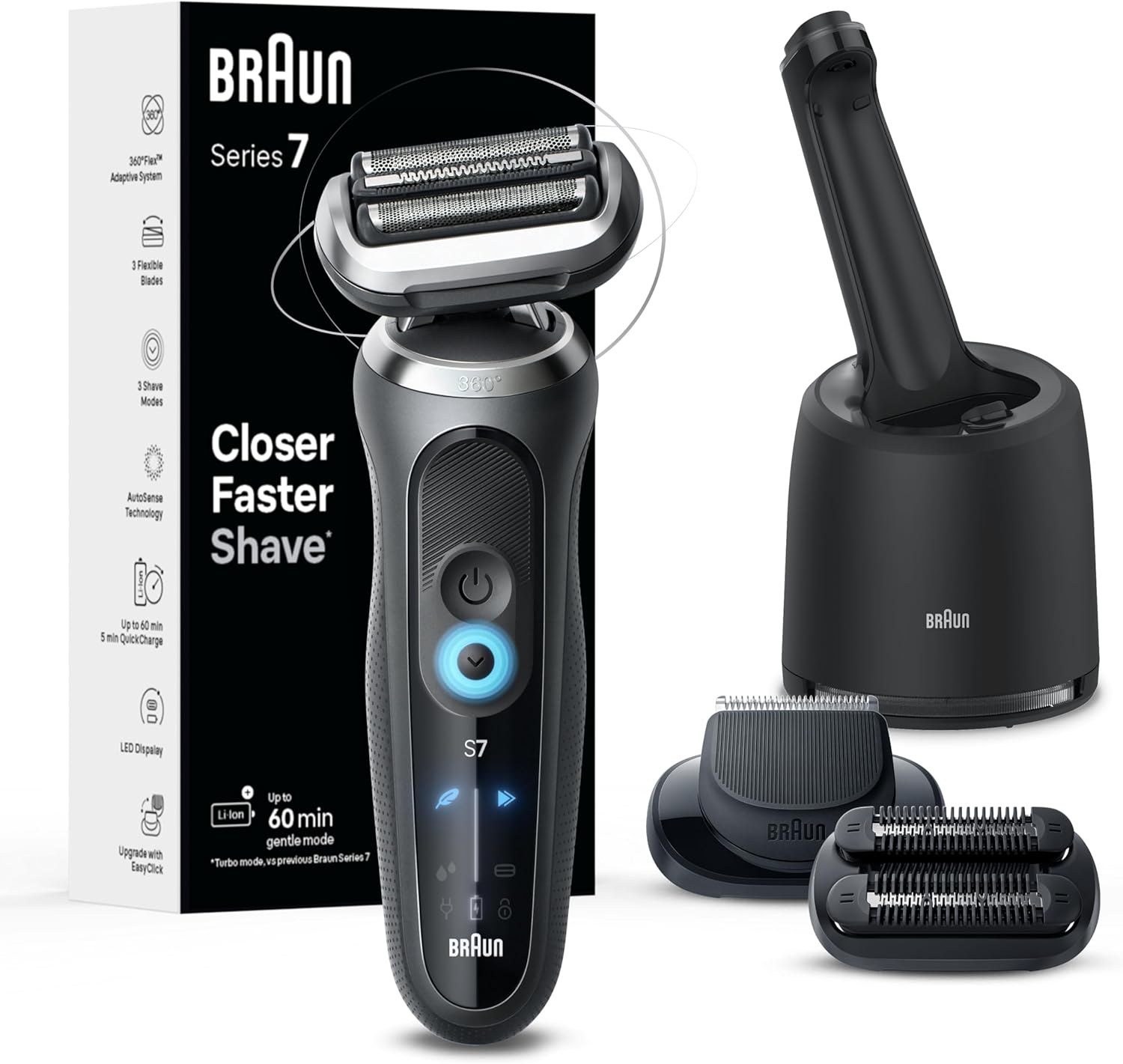
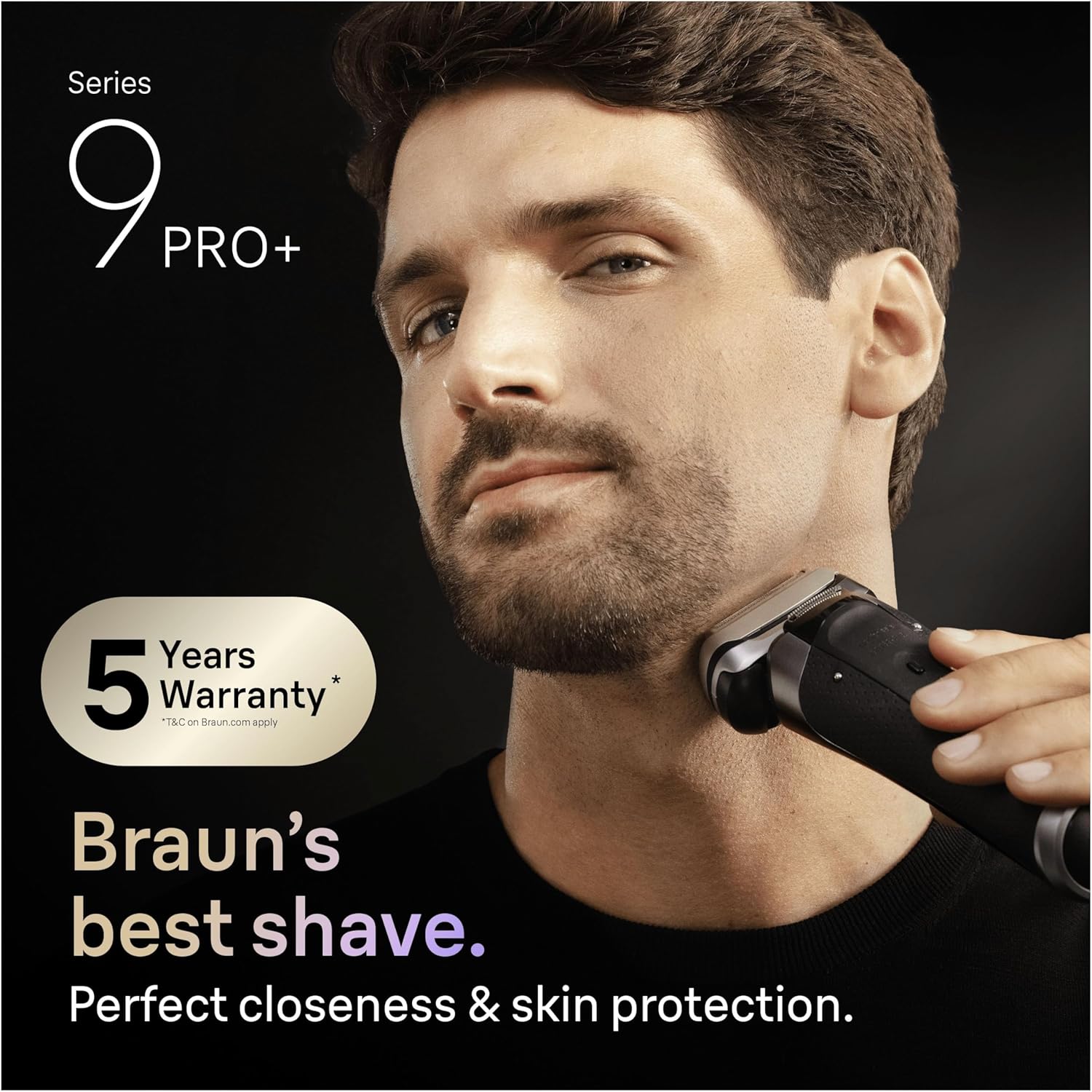
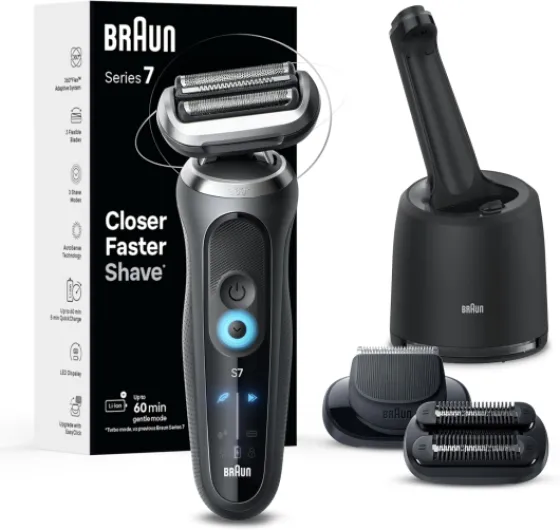
Within each series, manufacturers release several tiers, often labeled with terms such as Pro or Series Pro. A Braun Series 5 ProSkin or Series 7 model may include upgraded blades, improved motors, and extra features like a SmartCare Center cleaning station. These enhancements can slightly increase power consumption, but they usually shorten shaving time enough that overall battery life in real use remains excellent.
Cleaning systems also influence endurance, because a clogged electric razor forces the motor to work harder. A SmartCare Center or similar cleaning station flushes hair and skin debris from the foil and blades, keeping the shaver with consistent cutting performance. Regular cleaning by hand under the tap can achieve similar results if you follow the manual and allow the head to dry fully.
The electric shaver market has expanded rapidly, and premium models now compete directly with traditional razors for daily use. For context on this growth and the shifts behind it, you can consult recent industry reports from Euromonitor and similar firms that analyze the surge in demand for cordless grooming tools. That broader view helps explain why brands invest heavily in battery and motor research, because endurance has become a key selling point.
When you compare technical sheets, pay attention to how the manufacturer describes the motor and cutting system. A Panasonic Arc 5 model, for example, often highlights linear motors that maintain constant cutting speed even as the battery drains. Philips Norelco and Braun Series devices may emphasize adaptive sensors that adjust power to beard density, which can reduce wasted energy on lighter areas of the face.
Wet dry versatility, travel needs, and real world battery performance
Real life shaving rarely happens under perfect conditions, so endurance must be judged in context. Many of the best electric shavers with long battery life are fully waterproof and rated for wet dry use in the shower or with foam. Wet shaving usually increases friction and resistance, which can shorten battery life slightly compared with a quick dry shave.
If you often shave with gel or under running water, look for an electric shaver with a higher stated battery life than you think you need. A Braun Series 7 or Panasonic Arc 5 electric razor that claims 50 to 60 minutes of cordless use in the manual may deliver closer to 40 to 45 minutes in heavy wet dry conditions. That margin still covers several full face shaves, but it matters if you also use the integrated trimmer for beard lines or body hair.
Travel adds another layer of complexity, because access to power outlets is not always guaranteed. A shaver with a robust battery and a protective travel case becomes a practical grooming kit rather than just a bathroom accessory. Some electric shavers include worldwide voltage support and USB charging, which simplifies packing and reduces the risk of forgetting a proprietary charger.
When you check price listings, do not overlook the value of fast charging and battery indicators. A model that offers a five minute quick charge for one close shave, as stated in several Braun and Philips Norelco manuals, can rescue you on hectic mornings or during hotel stays. Clear LED or digital displays showing remaining battery life in minutes are more useful than vague three bar icons, especially if you shave every second day.
Wet dry capable electric razors also need frequent but simple cleaning, because foam and gel residues can clog the foil or rotary head and strain the motor. Whether you use a SmartCare Center, a manual cleaning brush, or simple rinsing under the tap, regular cleaning protects both the blades and the battery by reducing load on the drive system. Independent consumer test reports in Europe have found that this kind of maintenance can improve cutting efficiency by up to around 20 percent, which indirectly supports endurance.
In practice, most people find that a full charge on a modern Braun, Philips Norelco, or Panasonic Arc shaver with a lithium ion battery lasts at least a week of daily use. Heavy beards, longer shaving sessions, and frequent use of the precision trimmer can shorten that interval, but rarely below three or four days. Planning your charging routine around your schedule, rather than waiting for the battery to die, keeps performance consistent and avoids rushed, uncomfortable shaves.
How to match shaver technology to your skin type and beard
Choosing among the best electric shavers with long battery life starts with your skin and beard, not just the spec sheet. People with sensitive skin often benefit from foil shavers that allow straight, controlled strokes with minimal pressure. A Braun Series 5 ProSkin or similar foil design can glide gently while still delivering a close shave when the blades are sharp and the head is clean.
Rotary electric razors such as many Philips Norelco 5000 and 7000 models can suit users with more resilient skin and multi directional beard growth. Their circular heads flex around the jawline and chin, which can reduce the number of passes needed in tricky areas. Fewer passes mean less friction and better preservation of battery life, especially when you shave with a wet dry routine using foam or gel.
Beard density and hair thickness also influence which electric shaver feels like the best electric choice for you. A coarse beard may require a more powerful motor, such as those found in higher Braun Series 7 and 9 or Panasonic Arc 4 and Arc 5 models. These shavers often include Pro or Series Pro features that sense beard density and adjust power, which helps maintain a close shave without draining the battery too quickly.
For very light or patchy beards, a simpler electric razor with fewer cutting elements can be more comfortable and cost effective. In that case, you might prioritize a compact design, a reliable travel case, and straightforward cleaning over advanced SmartCare Center systems. The key is to ensure the shaver with your chosen features still offers enough battery life to cover several shaves between charges.
Skin comfort is not only about the shaver head and blades, but also about preparation and aftercare. People who struggle with razor burn or redness should pay attention to how they clean the electric shaver and how often they replace the foil or cutting elements. Independent lab tests and dermatology focused reviews often note that fresh blades and gentle technique matter more for irritation than any single sensitive skin label on the box.
Once you understand your skin and beard profile, you can read product descriptions more critically and ignore generic claims. Look for concrete details such as the number of cutting elements, the flexibility of the shaving head, and the stated battery life in minutes. Matching these features to your real habits will do more for comfort and endurance than any single marketing term on the box.
Maintenance, cleaning systems, and how they extend battery life
Battery life is not fixed for the entire lifespan of an electric shaver, because maintenance plays a major role. When hair, skin oils, and foam residue accumulate around the blades and foil, the motor must work harder to achieve a close shave. That extra resistance drains the battery faster and can make even the best electric shavers with long battery life feel weak after only a few months.
Automatic cleaning systems such as the Braun SmartCare Center or similar cleaning stations from other brands simplify this maintenance. You dock the electric shaver with the head facing down, and the station flushes, lubricates, and dries the blades. Regular use of a cleaning station keeps the shaving head moving freely, which reduces friction and preserves both cutting performance and battery endurance.
Not every electric razor includes a cleaning station, and some users prefer manual cleaning for cost or environmental reasons. In that case, rinsing the shaver head under warm water after every shave, then occasionally using liquid soap, is usually sufficient. Allow the foil or rotary head to dry fully before reattaching, because trapped moisture can dull blades and strain the motor over time.
Manufacturers typically recommend replacing the foil and cutting elements every 12 to 18 months, depending on usage. Fresh blades require less power to cut each hair, which means the electric shaver can maintain a close shave at lower motor loads. This simple replacement often restores both comfort and effective battery life, making an older shaver with a new head feel almost like a Pro upgrade.
Storage also matters, especially if you travel frequently or share a bathroom. A rigid travel case protects the shaver head and prevents accidental activation that could drain the battery in a bag. Keeping the device in a dry, ventilated place between shaves helps the blades and foil stay corrosion free, which indirectly supports smoother, more efficient shaving.
When you check price comparisons, factor in the long term cost of cleaning cartridges, replacement foils, and blades. A slightly more expensive Braun Series or Philips Norelco model with efficient maintenance requirements can be cheaper over several years than a budget shaver with costly consumables. Treat your electric shaver as a long term grooming investment, and its battery life will remain closer to the original specification for much longer.
How to compare models and read spec sheets like a specialist
Spec sheets for electric shavers can feel dense, but a structured approach makes them manageable. Start by confirming whether the model is a foil shaver or a rotary electric razor, because that choice shapes your shaving technique. Then look at the stated battery life, charge time, and whether the device supports both wet dry use and cordless operation only.
Next, examine the series name and any Pro or Series Pro labels, which indicate the feature tier within a brand. A Braun Series 5 with a ProSkin suffix, for example, usually focuses on gentle contact with the skin while still promising a close shave. Philips Norelco series names often differentiate between basic rotary shavers and more advanced models with flexible heads and extra blades.
Pay attention to the number of cutting elements and the flexibility of the shaving head. More blades and a multi directional head can capture more hair per stroke, which shortens shaving time and conserves battery life. However, extra complexity can also mean higher replacement costs, so balance performance with long term maintenance when you check price options.
Look for clear statements about cleaning options, whether that means compatibility with a SmartCare Center, inclusion of a cleaning station, or simple rinse under water design. If a model includes a travel case, note whether it is hard shell or soft, because that affects protection for the shaver with delicate foils or rotary heads. These practical details often matter more in daily use than minor differences in claimed closeness.
Finally, consider how the shaver fits into your broader grooming routine, including any separate trimmer you might use. Some electric shavers integrate a pop up trimmer that handles sideburns and moustaches, while others rely on detachable heads or separate devices. Choosing a model that aligns with your habits reduces the temptation to press too hard or rush, which protects both your skin and the battery.
When you evaluate the best electric shavers with long battery life, remember that real world performance depends on your technique, beard, and maintenance. A balanced choice that respects your skin, offers a genuinely close shave, and provides enough cordless minutes for your schedule will always feel like the best electric option. Use spec sheets as tools, not as marketing scripts, and you will quickly see which electric shaver deserves a place in your bathroom or travel bag.
Key figures about electric shavers and battery performance
- Market analysts from Euromonitor have reported that the global electric shaver and electric razor segment surpassed 10 billion euros in annual sales recently, reflecting strong consumer demand for cordless grooming tools; you can verify the latest numbers in their published grooming appliances reports and data tables.
- Technical data from major brands such as Braun, Philips Norelco, and Panasonic show that modern lithium ion batteries typically provide between 45 and 90 minutes of cordless shaving, compared with older nickel metal hydride packs that often delivered less than 30 minutes; these figures appear in product manuals and official specification sheets for models like Braun Series 7, Philips Norelco 5000, and Panasonic Arc 5.
- Independent laboratory tests published by consumer organizations in Europe have found that regular cleaning of the shaving head can improve cutting efficiency by up to 20 percent, which indirectly extends effective battery life by reducing motor load; detailed methodologies are usually described in their annual electric shaver test reports and technical appendices.
- Surveys conducted by grooming research firms indicate that more than half of frequent travelers rate battery life and the inclusion of a travel case as top priorities when they choose among the best electric shavers with long battery life, a trend that is echoed in many consumer panel studies and brand tracking surveys.
- Product reliability data released by several manufacturers suggest that lithium ion batteries in quality electric shavers retain around 70 to 80 percent of their original capacity after three years of typical use, provided they are charged according to the instructions; these retention figures are often summarized in technical white papers and warranty documentation.
![Shaver i9000 Prestige, Wet & Dry Electric Shaver, Dark Slate Nova, with Skin IQ Technology, Triple Lift & Cut System, 360 Rotating Dual SteelPrecision Blades, Model XP9204/10 [New] i9000 Prestige, Case, Charging Stand](https://www.electric-shaver-guru.com/storage/859642/conversions/81X0HVdrIQL._AC_SL1500_-medium.webp)


![Shaver i9000 Prestige, Wet & Dry Electric Shaver, Dark Slate Nova, with Skin IQ Technology, Triple Lift & Cut System, 360 Rotating Dual SteelPrecision Blades, Model XP9204/10 [New] i9000 Prestige, Case, Charging Stand](https://www.electric-shaver-guru.com/storage/859642/81X0HVdrIQL._AC_SL1500_.jpg)