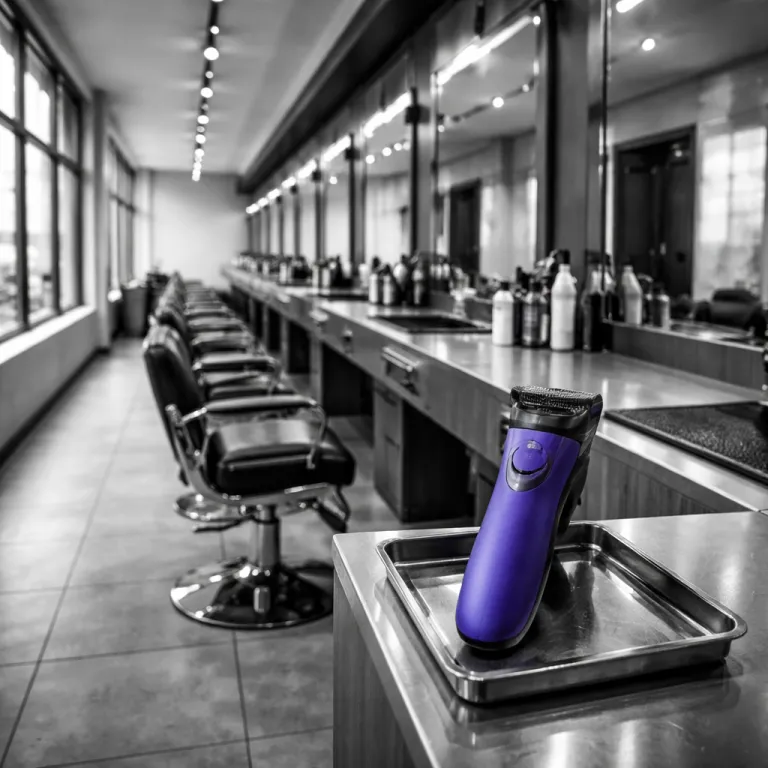

Men’s grooming market growth and the electric shaver arms race
Men’s grooming market growth is no longer a side note in beauty. As male grooming spending outpaces female categories in North America and Europe, electric shavers have become the flagship products that signal how seriously brands now treat men as core consumers. That shift shows up in everything from market size in USD billion to how many product types now crowd a single shelf.
Analysts tracking the global grooming products market see electric shavers moving from basic appliances to premium personal care devices. The men grooming segment already accounts for a rising market share of care products, with electric shavers projected to reach a products market value measured in double digit size USD billions over the next decade. For busy men, that growth only matters if the shavers actually give better skin comfort and faster shaves, not just higher prices.
Across North America, Europe and Asia Pacific, brands now slice the male grooming aisle into precise product type clusters. You see separate sections for skin care, beard trimmers, body grooming products and high end foil shavers, each with its own distribution channel strategy and forecast analysis. The result is a denser market where men must decode more marketing claims while the real question stays simple, namely which electric shaver will still treat your skin kindly after three years of daily use.
Innovation, skin comfort and the new premium electric shaver
In this new market, the Braun Series 9 Pro, Philips Norelco 9000 and Panasonic Arc 5 sit at the top of the grooming pyramid. These products target men who want a fast, close shave with minimal irritation, and they are priced accordingly in USD terms that push many models into the premium bracket. Men grooming budgets now routinely stretch past the 200 USD mark, especially among younger male consumers who treat a shaver as their first serious personal care investment.
Real world testing shows clear differences between these product types that glossy packaging rarely explains. The Braun Series 9 Pro excels on sensitive skin, but its cleaning station can clog with long stubble and its foils sometimes squeak after heavy use, which matters for long term market growth in repeat purchases. The Panasonic Arc 5 uses a high speed linear motor that stays powerful, yet its large head can be awkward on tight areas of the face where precise skin care and control are crucial.
Rotary models like the Philips Norelco 9000 handle longer hairs well, but their capture chambers demand regular care to avoid trapped debris that can irritate skin and undermine consumer trust in premium grooming products. As brands push edge blade technology and OLED displays, the real test is whether these innovations reduce shave time and improve comfort for men across America, Europe and Asia, not just inflate the global market size in USD billion headlines. In this context, men grooming market growth depends less on flashy features and more on whether everyday users feel their skin is calmer and their routine simpler after six months of use.
Regional shifts, distribution battles and what men should actually buy
Behind the bathroom mirror, a quiet distribution channel battle is reshaping where and how men buy shavers. In North America and Europe, online retailers now capture a growing share of the male grooming products market, while supermarkets still dominate in parts of Asia Pacific, East Africa and the Middle East. That split forces brands to tailor care products and pricing to each analysis country, which explains why the same shaver can cost very different amounts in local USD equivalents.
Global players such as Procter & Gamble lean on their personal care portfolios to cross promote skin care and grooming products, bundling shavers with skincare samples or beard oils to lift overall market share. In Asia and America, that strategy supports broader men grooming market growth by nudging consumers toward multi step routines that combine an electric shaver with dedicated skin care products. For men, the upside is more choice, but the downside is noise, with dozens of similar products crowding search results and store aisles.
For a working male with limited time, the smartest move is to treat the electric shaver as the anchor product in a simple, repeatable care routine. Pick a proven model that matches your skin and beard density, then add only the grooming products that genuinely improve comfort rather than chasing every new launch that inflates the market size without improving your daily shave. In a market defined by rapid growth and constant product churn, the real luxury is not the closeness in week one, but the closeness in year three.