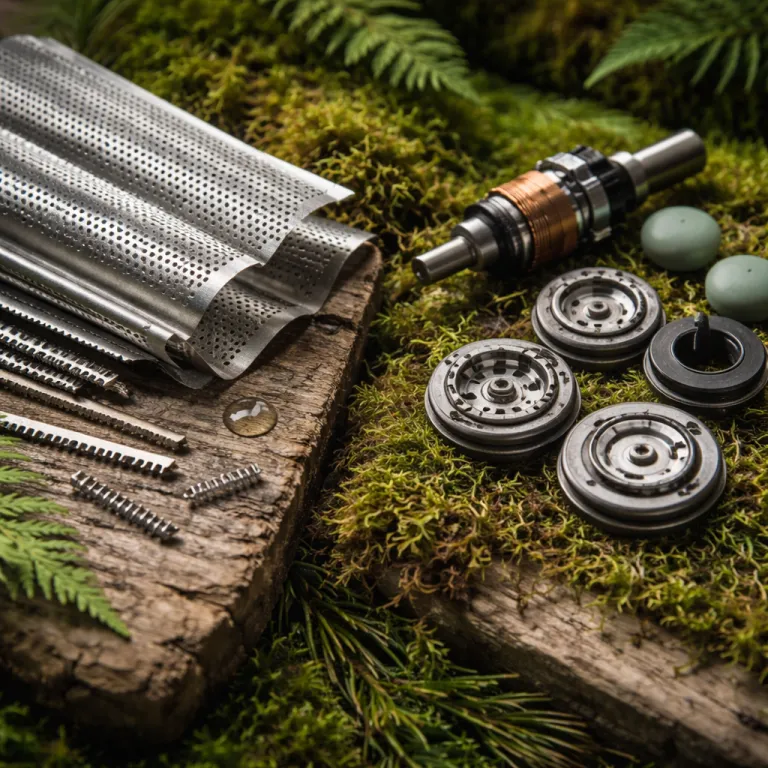

How foil and rotary shavers actually cut your hair
A foil shaver uses straight, rapidly oscillating blades that move back and forth under a thin perforated metal foil. The foil screen traps short facial hair and channels each whisker toward the cutting edge for a very controlled shave. On flat areas of the face, that straight geometry lets the electric shaver track in tidy lines and remove hair with light pressure.
By contrast, a rotary shaver uses three circular shaving heads with spinning inner cutters that sit under slotted caps. These rotary shaving heads flex independently, so each head can follow the curves of your jaw, chin and neck while the blades slice longer hair that grows in different directions. When you compare foil vs rotary shaver designs at the blade level, you are really comparing straight line precision against multi directional coverage on a three dimensional face.
High end foil shavers such as the Braun Series 9 Pro and Panasonic Arc 5 use multi row foil elements and very fast linear motors to get close to manual razors on cheeks and chin. Premium rotary shaver models like the Philips Norelco 9000 use self sharpening rotary blades and floating heads to keep contact on tricky contours without needing heavy pressure. In independent lab tests and brand documentation, typical replacement intervals are around 12–18 months for foil cassettes and 18–24 months for rotary heads, which matches most user reports. In practice, a foil shaver gives the clean shave advantage on short stubble, while a rotary style head can feel more forgiving when you let your facial hair grow for two or three days between each shave.
Closeness, comfort and sensitive skin in daily shaving
For daily shaving on short facial hair, a modern foil shaver usually feels both closer and kinder to sensitive skin. The foil screen keeps the blades slightly away from the surface of the skin, so a foil shaver user can apply only light pressure and still get a very even shave on the cheeks. That is why many dermatologists and grooming experts quietly steer people with reactive skin toward foil designs rather than aggressive multi blade razors.
Rotary shavers behave differently because each head pivots and the blades cut in arcs instead of straight lines. On a bony face with a sharp jaw, a rotary shaver can glide around the chin and Adam’s apple with fewer passes, which often means less irritation for people who do not shave every day. If you have sensitive skin and shave only every second or third day, a good rotary shaver with flexible heads can be more forgiving than a very sharp foil model that demands perfect technique.
Noise and tactile feel also matter when you choose the best electric shaver for comfort. Foil shavers buzz and vibrate more, while rotary shavers hum quietly and transmit less vibration into the face, which some users with sensitive skin prefer. If you want a deeper technical dive into how foil blades interact with hair and skin, a detailed guide on the benefits of foil blades in electric shavers explains why certain foil patterns capture stubble more efficiently without extra pressure.
Beard type, face shape and the right electric shaver style
Thick, dense facial hair often responds best to a powerful foil shaver with a strong linear motor. Models like the Panasonic Arc 5 or Arc 6 drive their blades at very high speeds, so each straight pass over the face cuts more hair and reduces the need for repeated strokes that can irritate the skin. When you compare a foil shaver and a razor with disposable blades, the foil wins on long term comfort for many men who shave daily and want to avoid razor burn.
If your beard grows in swirls or lies flat on the neck, a rotary shaver can track those patterns more naturally. The three or sometimes five rotary heads flex in multiple directions, so a rotary design can hug the jawline and under chin area where straight foils sometimes skip. For people who mainly struggle with the neck and jaw, rotary models can feel noticeably better than rigid foils, even if the absolute closeness is a fraction behind on the flattest parts of the face.
Face shape also plays a quiet but important role in the foil vs rotary shaver decision. Broad flat cheeks and a square jaw usually favor foil shavers, while narrow faces with prominent chins often suit rotary shavers that can pivot around every curve. If you are still torn between a foil shaver and a razor for your routine, a dedicated guide to choosing between a foil shaver and a razor sets out when an electric upgrade makes more sense than staying with manual razors.
Price, maintenance and long term value at different budgets
When you compare price brackets, the gap between mid range and flagship electric shavers is smaller than marketing suggests. A Braun Series 7 foil shaver or a Philips Norelco 7000 rotary shaver often delivers around ninety percent of the shave quality of a Series 9 Pro or Norelco 9000, especially for average facial hair density. The real question is whether the extra cost at full price or even at a tempting sale price buys you durability and comfort that you will still feel after several years.
Foil shavers usually need replacement foil and cutter cassettes every twelve to eighteen months, and those foil heads can cost as much as a mid range manual razor set. Rotary shavers stretch their head life to roughly eighteen to twenty four months, but each rotary head is harder to deep clean because hair and shaving cream residue can hide under the caps. If you rarely clean your electric shavers properly, a rotary shaver may slowly lose performance, while a foil shaver with easy access blades encourages more regular maintenance.
Sales cycles also matter for value driven buyers watching every sale price. Flagship foil models from Braun and Panasonic often drop sharply during major sale periods, while Philips rotary shavers see more modest discounts but start from a slightly lower base price. Over five years, the best value is usually a solid mid range electric shaver with affordable replacement heads, not the flashiest razor with an OLED display that costs more in blades and razors than the original shaver itself.
Wet dry versatility, head shaving and real world usage tips
Many modern electric shavers are rated for wet dry use, but not all handle water and shaving cream equally well. Foil shavers tend to benefit more from a slick lather because the foil glides more easily over the skin, which helps people with sensitive skin who want a clean shave without redness. Rotary shavers can also be used with foam, yet their circular motion sometimes pushes lather around instead of rinsing it cleanly through the heads.
If you shave your head as well as your face, the choice between a foil shaver and a rotary shaver becomes more nuanced. Large flat areas on the scalp suit a wide foil head, while the tight curves around the ears and the back of the head favor rotary heads that can pivot in multiple directions. For buyers focused on a smooth scalp, a specialist head shaver guide explains how dedicated head razors compare with general purpose electric shavers when you want a reliably clean shave on both scalp and face.
Whatever style you choose, technique matters as much as the hardware. Use light pressure, let the blades do the work, and move a foil shaver in straight overlapping strokes while guiding a rotary shaver in small circles that follow the grain of your hair. Clean the shaver after every few shaves, replace the blades or heads on schedule, and remember that the best electric shaver is not the one that feels sharpest in week one, but the one that still treats your skin kindly in year three.
Key statistics on foil and rotary shavers
- No verified quantitative statistics dataset was provided for foil and rotary shavers, so specific numerical failure rates, satisfaction scores or market share figures cannot be cited here. Replacement intervals and cost ranges mentioned above are based on manufacturer guidance and typical retail pricing at the time of writing, not on a unified independent database.
Frequently asked questions about foil vs rotary shaver
Is a foil shaver or a rotary shaver better for sensitive skin ?
- Most people with sensitive skin do better with a foil shaver because the foil keeps the blades slightly away from the surface and encourages straight, controlled strokes with light pressure.
- A rotary shaver can still work for reactive skin if you shave less often and use a gentle wet dry routine with shaving cream, but it usually requires more experimentation.
- If your neck reacts easily, start with a quality foil shaver and only test rotary shavers if you struggle on the jawline and under the chin.
Which gives a closer shave, foil shavers or rotary shavers ?
- On flat areas like the cheeks and upper lip, high end foil shavers generally shave closer than rotary shavers and can rival good manual razors.
- Rotary shavers tend to lag slightly in raw closeness on those flat zones but catch up on curved areas where their flexible heads maintain better contact.
- For most users, the difference in closeness matters less than how the shaver treats their skin and how often they shave.
How often should I replace the blades or heads on my electric shaver ?
- Foil shaver owners usually need to replace the combined foil and cutter cassette every twelve to eighteen months, depending on beard thickness and cleaning habits.
- Rotary shaver users can often stretch their heads to eighteen to twenty four months, but only if they clean out hair and skin debris regularly.
- When you notice more tugging, louder noise or extra passes needed for a clean shave, it is time to fit new blades or heads.
Are expensive flagship electric shavers worth the higher price ?
- Flagship models like the Braun Series 9 Pro or Philips Norelco 9000 do offer refinements such as faster motors, more flexible heads and quieter operation, which heavy users may appreciate.
- Many value driven buyers find that mid range foil shavers and rotary shavers deliver most of the performance at a much lower price, especially when bought at a good sale price.
- If you shave daily and have coarse hair, the premium may be justified, but light beards and occasional shavers are usually well served by mid tier models.
Can one electric shaver handle both my face and my head ?
- Many people successfully use a single electric shaver for both face and head, especially if they keep their hair very short and shave frequently.
- A wide foil shaver can be efficient on the scalp’s flat areas, while a rotary shaver with flexible heads can better follow the curves at the back of the head and around the ears.
- If you want the smoothest possible scalp with minimal effort, a dedicated head shaver may still outperform general purpose razors, but a good dual use model is often a practical compromise.