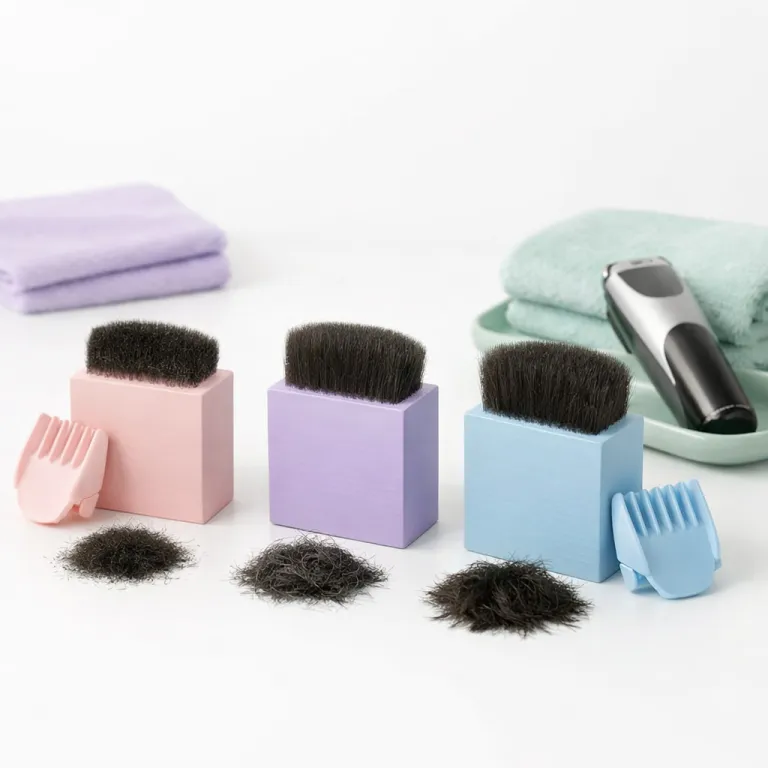
Understanding hair clipper sizes and what the numbers really mean
Hair clipper sizes confuse many people because each number haircut seems abstract at first. When you understand how every haircut number translates into a specific length in millimetres or length inches, you gain real control over your haircut style. This clarity helps you talk confidently with any barber and also improves your own home cuts.
On most hair clipper models, a haircut number such as 1, 2, or 3 refers to the clipper guard that will leave hair at a certain length. A number 1 guard sizes option usually leaves very short hair close to a buzz cut, while a number 4 clipper guard will leave hair noticeably longer and softer. These haircut numbers are not universal across every brand, but the differences in number inch values are usually small enough for practical use.
Each clipper guard is designed to guide the blades so they cut hair evenly without digging into the scalp. When you attach different clipper guards, you change the number cut result and therefore the final haircut length and texture. This is why a barber can create sharp fades and smooth taper cuts simply by switching guard sizes and adjusting the taper lever.
For people who prefer low maintenance grooming, understanding hair clipper sizes allows them to repeat the same cut fade at home. You can note which haircut number you like on the sides and which number haircut you prefer on top, then reproduce that combination regularly. Over time, you learn how a number 2 cut on the sides and a number 4 on top will leave hair balanced for a classic crew cut.
Electric shaver users face similar questions about closeness and comfort, especially when choosing between foil and rotary systems. Detailed product tests, such as this in depth review of a premium electric shaver, show how precision engineering mirrors the logic of clipper guard sizes. Both worlds rely on predictable numbers and consistent performance to deliver reliable grooming results.
From buzz cut to skin fade: how guard sizes shape every haircut
The relationship between hair clipper sizes and haircut style becomes clear when you compare a buzz cut with a skin fade. A buzz cut uses the same clipper guard or close number guards all over the head, which keeps the haircut number consistent and very low maintenance. In contrast, a skin fade uses several guard sizes and sometimes no guard at all to create a smooth transition from bare skin to longer hair.
For a classic buzz cut, many people choose a number 2 clipper guard, which will leave hair short but not fully exposed. Others prefer a number 3 or number 4 number haircut to keep slightly longer hair that still feels neat and practical. The key is that the chosen number cut remains uniform, so the rocking motion of the clipper simply follows the head shape without complex blending.
Skin fades and modern taper fades require more technique and a careful understanding of guard sizes. A barber might start with no guard for the lowest section, then move to a number 0.5, number 1, and number 2 clipper guards as the fade rises up the sides. Each change in haircut number creates a subtle step in length, which is then softened with a gentle rocking motion and precise taper lever adjustments.
Many home users struggle with fades because they rush the process or skip intermediate guard sizes. To avoid harsh lines, you should use the taper lever to create half steps between numbers, especially when blending short hair into longer sections. This method works for both a tight cut fade and a more relaxed crew cut with slightly longer sides.
Electric shaver enthusiasts who also maintain short clipper cuts often compare the closeness of a skin fade with the smoothness of a foil shaver. Reviews such as the analysis of the efficiency of a high performance foil shaver highlight how precision blades and controlled pressure echo the discipline needed for clean fades. In both cases, technique and tool selection matter as much as the stated number or guard size.
Mastering the taper lever and rocking motion for smooth sides
The taper lever on a hair clipper is a small control with a big impact on haircut quality. When you move the taper lever, you slightly change the blade position, which effectively adjusts the length without switching clipper guards. This fine tuning is essential for creating soft fades and natural looking sides that do not show harsh lines.
Think of the taper lever as a way to create extra haircut numbers between the printed guard sizes. With a number 2 clipper guard attached, closing the lever gives a slightly shorter number cut, while opening it will leave hair marginally longer. This flexibility allows a barber to refine a cut fade or skin fade without constantly changing clipper guard attachments.
The rocking motion of the clipper is another subtle but crucial technique for blending different hair clipper sizes. Instead of pushing the clipper straight up and stopping abruptly, you roll the clipper away from the head as you reach the transition point. This rocking motion lifts the blades off the hair gradually, which softens the boundary between short hair and longer sections.
When you combine the taper lever with a controlled rocking motion, you can create very smooth fades on the sides. Start with a lower haircut number near the neckline, then move upward with higher guard sizes while slightly opening the lever. Each pass should overlap the previous cut fade area, ensuring that no visible steps remain in the haircut.
People who use electric shavers for the face and clippers for the head often appreciate tools that offer similar precision controls. Guides on the benefits of advanced electric shavers show how adjustable settings and ergonomic design improve comfort and accuracy. The same principles apply when you handle a hair clipper, where confident control of the lever and motion leads to professional looking results.
Choosing the right number haircut for your hair type and lifestyle
Selecting the ideal haircut number depends on more than fashion trends, because hair type and daily routine both matter. Thick or curly hair often looks fuller at the same length inches where fine hair might appear sparse. People who value low maintenance grooming usually prefer shorter cuts that grow out evenly and require fewer barbershop visits.
For very busy schedules, a buzz cut with a number 1 or number 2 clipper guard can be practical. This haircut will leave hair short enough to dry quickly after exercise, yet still provide some protection for the scalp. If you want a slightly softer look, a number 3 or number 4 number cut on top with shorter sides offers balance between neatness and flexibility.
Hair texture also influences how different hair clipper sizes appear once the cut settles. On straight hair, a number inch difference between guard sizes can create a clearly visible step, especially on the sides. On wavy or curly hair, the same change in guard sizes may look more blended, which sometimes allows bolder fades without harsh lines.
Face shape and personal style further guide the choice between a crew cut, skin fade, or classic taper. A crew cut with a slightly longer top and shorter sides can sharpen round faces, while a softer taper fade may suit angular features. Discussing your preferences with a skilled barber and referencing specific haircut numbers helps translate vague ideas into precise cuts.
Many people who maintain short hair at home keep a simple record of their preferred number haircut combinations. For example, they might note that a number 2 on the sides, number 4 on top, and open taper lever around the crown will leave hair at a flattering length. This personal map of hair clipper sizes becomes a reliable guide whenever they pick up the clipper.
Measuring length in inches and millimetres for consistent results
Behind every haircut number lies a measurable length, usually expressed in millimetres or length inches. A typical number 1 clipper guard cuts hair to about 3 millimetres, while a number 2 often leaves around 6 millimetres. Higher haircut numbers correspond to progressively longer hair, which is why a number 4 or number 5 feels significantly fuller than a close buzz cut.
Understanding these measurements helps you compare different brands of hair clipper and clipper guards. Some manufacturers label guard sizes by number inch values, such as 1/8 inch or 1/4 inch, alongside the metric figures. When you know that 1/8 inch equals roughly 3 millimetres, you can match your usual haircut number even if the packaging looks unfamiliar.
Barbers rely on these precise measurements to reproduce favourite cuts for regular clients. If a client requests a cut fade with a number 0.5 at the base, number 1 on the mid section, and number 2 on the upper sides, the barber can translate those numbers into exact guard sizes. This consistency ensures that each visit will leave hair at the same comfortable length.
At home, you can test different hair clipper sizes on a small section before committing to a full haircut. Start with a higher number cut to avoid going too short, then gradually move down until the length matches your expectations. Remember that hair looks slightly shorter when dry and styled, so a tiny difference in number inch can change the overall impression.
People who transition from longer hairstyles to short hair often underestimate how exposed a very low haircut can feel. Choosing a moderate haircut number at first, such as a number 3 or number 4, allows time to adjust before trying a tighter buzz cut or skin fade. Over several cuts, you will learn which guard sizes best balance comfort, appearance, and low maintenance care.
Practical tips for maintaining short haircuts and clipper performance
Once you understand hair clipper sizes, maintaining short hair becomes a straightforward routine. Regular trims every two to three weeks keep fades sharp and prevent the sides from looking bulky. Because short hair grows out evenly, small adjustments with the correct haircut number can restore a clean outline quickly.
Before each haircut, check that your clipper guards are firmly attached and free from cracks. A damaged clipper guard can shift during a cut fade, causing uneven patches or accidental skin exposure. Cleaning the blades, oiling the mechanism, and occasionally checking the taper lever alignment will leave hair smoother and reduce pulling.
When cutting your own hair, work systematically from the lower sides upward, following the natural head shape. Use a lower haircut number near the neckline, then move to higher guard sizes as you reach the temples and crown. Maintain a gentle rocking motion to blend the transitions, and pause regularly to assess symmetry in a mirror.
For people who combine clipper cuts with electric shaver grooming on the face, tool hygiene is especially important. Separate attachments for beard, head hair, and body hair help prevent irritation, while regular cleaning extends the life of both the hair clipper and shaver. Paying attention to these details supports a professional finish even when you cut hair at home.
Short haircuts such as the crew cut, buzz cut, and various fades remain popular because they offer style with low maintenance demands. By mastering haircut numbers, guard sizes, and taper lever control, you can achieve barbershop level results without guesswork. In the end, the right combination of number cut, technique, and care will leave hair looking sharp, healthy, and precisely tailored to your lifestyle.
Key statistics about hair clipper use and grooming habits
- Up to 60 % of men with short hair report using a hair clipper or trimmer at home for at least part of their grooming routine.
- Among people who maintain a buzz cut or crew cut, more than 70 % say that knowing their preferred haircut number helps them communicate better with barbers.
- Surveys indicate that regular clipper users can reduce annual barbershop visits by 30 % while still keeping fades and tapers well maintained.
- Consumer testing shows that properly cleaned and oiled clipper guards and blades can retain cutting efficiency for over 500 haircuts.
- Short hair styles created with consistent hair clipper sizes often require less than 5 minutes of daily styling time.
Common questions about hair clipper sizes and short haircuts
How do I choose the right haircut number for a first clipper cut ?
For a first clipper cut, start with a higher haircut number such as a number 3 or number 4, because these guard sizes will leave hair long enough to adjust if you feel it is too short. If you like the result but want a tighter look next time, you can move down to a number 2 or number 1 gradually. This cautious approach prevents shock and allows you to learn how each number cut changes your appearance.
What is the difference between a buzz cut and a crew cut ?
A buzz cut uses the same clipper guard all over the head, so the haircut number remains uniform from sides to top. A crew cut keeps the sides short, often with a number 1 or number 2, while the top is left longer with a higher haircut number for added shape. This difference in hair clipper sizes creates more structure in a crew cut compared with the very even look of a buzz cut.
Can I create a skin fade at home with basic clipper guards ?
You can attempt a skin fade at home, but it requires patience, several clipper guards, and careful use of the taper lever. Start with no guard or the lowest guard sizes near the base, then move upward through higher haircut numbers while using a gentle rocking motion to blend. Many people practice on a simple taper fade first before attempting a full skin fade, because the margin for error is smaller.
How often should I cut short hair to keep the style sharp ?
Short haircuts such as fades, buzz cuts, and crew cuts usually look best when refreshed every two to three weeks. Because hair growth quickly softens the edges, regular trims with the same hair clipper sizes help maintain clean lines and consistent length inches. People with very fast growing hair or very short styles may prefer weekly touch ups on the sides.
Do different brands use the same hair clipper sizes and numbers ?
Most brands follow similar haircut numbers, but small differences in length inches can occur between manufacturers. To avoid surprises, check the millimetre or number inch values printed on each clipper guard and compare them with your usual tools. Once you match the actual measurements, you can confidently switch brands while keeping your preferred haircut number and overall style.
Trustful expert sources : American Academy of Dermatology, British Association of Dermatologists, Consumer Reports Grooming Lab.