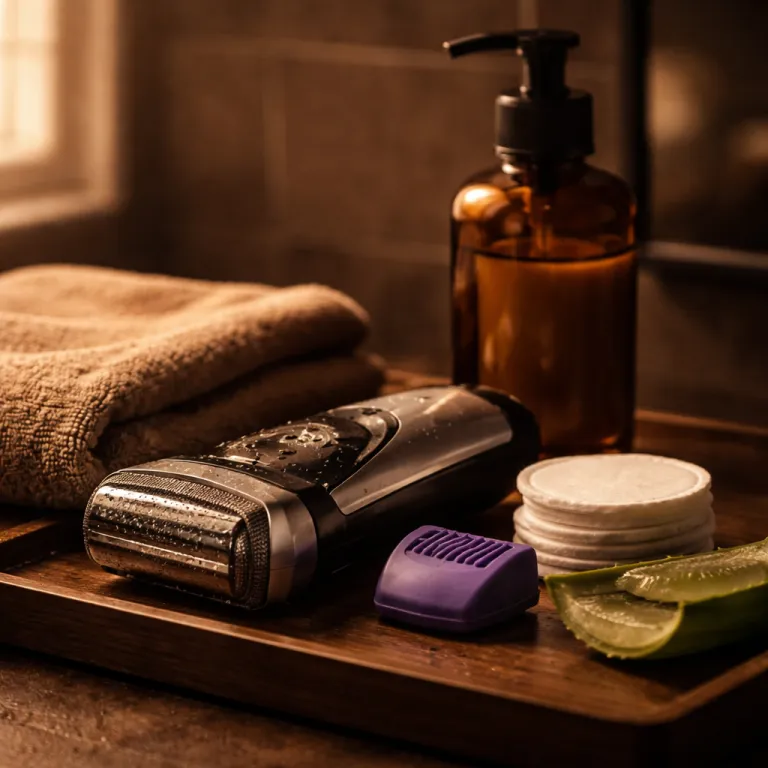

Why most “sensitive skin” electric shavers still cause burn
Marketing suggests that any electric shaver for sensitive skin will glide effortlessly. In reality, many so‑called gentle electric razors still rely on the same aggressive foils, hot motors and rigid plastics that start to rub your face raw after a week. Real comfort comes from engineering choices—foil geometry, motor tuning, thermal management and head flexibility—not from a blue sticker saying “sensitive”.
For men who already dread shaving, the wrong electric shaver turns every morning into a test of pain tolerance. A harsh dry electric shave with a dull foil or rotary head scrapes the surface, overheats the shaver body and leaves micro tears that invite ingrown hairs and redness. When you have reactive or easily irritated skin, each extra pass of the electric razor over the same patch multiplies friction and heat, so the design must reduce passes and pressure, not just add more blades or higher advertised power.
Foil shavers usually protect fragile skin better than rotary shavers, because the perforated metal screen acts as a barrier between blade and epidermis. A well‑tuned foil electric shaver lets the cutter bar slice hair close while the foil glides, so the razor feels smoother even when the shave is closer. Rotary razors can still work on sensitive skin, but only when the heads pivot freely, the rings stay cool and the user keeps pressure light during both wet and dry shaving. In practice, the best results come from pairing a forgiving foil or rotary design with a routine that respects your skin’s limits and from checking independent user tests or dermatologist‑reviewed guides rather than relying on packaging claims alone.
Foil versus rotary: which series is kinder to sensitive skin
Across dozens of models, foil shavers from Braun and the Panasonic Arc lines consistently irritate sensitive skin less than many Philips rotary shavers in independent user testing and expert reviews. Comparative reports from consumer labs and shaving‑focused reviewers frequently highlight that the Braun Series 9 Pro and the newer Braun Series 9 Pro+ use a flexible foil cassette and a ProLift trimmer that lifts flat‑lying hair, so you need fewer strokes on the neck and jaw. Fewer strokes with a foil electric shaver means less heat, less friction and fewer chances for razor burn or post‑shave stinging.
Panasonic Arc 5 shavers take a different route, using a high‑speed linear motor that drives the blades at around 14,000 cycles per minute, while Braun’s sonic technology vibrates the foil at roughly 10,000 oscillations per minute according to manufacturer specifications and third‑party lab measurements of stroke rate. That higher Panasonic Arc speed slices through dense hair faster, so the shaver spends less time on your skin, but the trade‑off is a slightly harsher feel if you rush a dry electric shave. Many men with very reactive sensitive skin prefer the softer Braun Series foil, especially when they use a pre‑shave lotion or gel to add glide.
Rotary electric shavers like the Philips Norelco 9000 and the more affordable Norelco Shaver 5000 and 7000 series can still work for sensitive skin, particularly on curved areas where three circular heads track the jawline and chin. The key is to use gentle circular motions, avoid pressing the shaver body into the skin and consider wet shaving with a mild foam to add lubrication. If you have sensitive Black skin or coarse curly hair that tends to ingrow, a forgiving foil such as a Braun Series 7 paired with careful shaving technique is usually safer than most rotary razors, and you can find dermatology‑based advice on choosing the best electric shaver for sensitive Black skin in clinical reviews on pseudofolliculitis barbae and shaving‑related irritation.
Model by model: what actually works for sensitive skin
For a man who wants an electric shaver for sensitive skin and a genuinely close shave, the Braun Series 9 Pro remains the safest all‑round pick in many comparative tests. Its flexible head, rounded foils and integrated ProLift trimmer capture flat neck hair without digging into the skin, so you can shave daily without the usual razor burn. The cleaning station bundled with many Braun Series 9 Pro kits also keeps the foils free of hair and skin debris, which reduces tugging over time and helps maintain consistent performance.
Panasonic Arc 5 shavers suit men with straight, dense beards who want the closest possible electric razor shave and are willing to use wet shaving with gel. The Panasonic Arc linear motor barely slows in thick hair, so the razor cuts cleanly instead of pulling, but the foils feel sharper on very sensitive skin if you shave dry. If you pair an Arc 5 with a good pre‑shave routine and use it in wet‑dry mode under warm water, the combination of speed and lubrication can still be comfortable, especially when you limit passes over the same area.
Philips Norelco shavers, especially the Philips Norelco 9000 and mid‑range Norelco Shaver 7000, shine for men whose hair grows in many directions and who prefer a quiet, low‑vibration shave. Their rotary razors glide smoothly when used with a light touch and a hydrating foam, but they punish heavy pressure by pinching the skin between the rings. If your skin is extremely reactive, a foil electric shaver from the Braun Series or Panasonic Arc family remains a safer bet, and you can find a detailed breakdown of how to choose the ideal electric razor for sensitive skin in independent comparison charts that list motor speed, wet/dry support and recommended replacement intervals.
| Model | Motor speed (approx.) | Wet/dry support | Recommended replacement interval | Typical cordless runtime |
|---|---|---|---|---|
| Braun Series 9 Pro / Pro+ | ~10,000 oscillations per minute | Yes, full wet & dry | Foil cassette every 12–18 months | ~50–60 minutes |
| Panasonic Arc 5 | ~14,000 cycles per minute | Yes, full wet & dry | Foils and blades every 12–18 months | ~40–50 minutes |
| Philips Norelco 9000 | High‑efficiency rotary drive (variable) | Most variants wet & dry | Rotary heads every 12–24 months | ~50–60 minutes |
| Braun Series 7 | Sonic motor, ~10,000 oscillations per minute | Most models wet & dry | Foil cassette every 12–18 months | ~45–50 minutes |
Price, reliability and what the stars do not tell you
When you shop for an electric shaver for sensitive skin, the price and the long‑term cost matter as much as comfort. A Braun Series 9 Pro with a cleaning station often looks expensive at first glance, but the price–product equation changes when you factor in foil longevity, battery life and the cost of replacement cassettes over several years. Many cheaper electric shavers with five‑star ratings hide weak batteries, fragile foils and poor spare‑part availability that will frustrate you after a year, especially if you shave daily.
Online stars on retailer pages compress very different experiences into a single number, so a four‑star electric razor might include rave reviews from men with tough skin and angry complaints from those with sensitive skin. To judge real‑world behaviour, scan for:
- Comments about razor burn, post‑shave redness and bumps
- Reports of pulling hair or needing many extra passes
- Notes on noise, vibration and heat build‑up during use
These details reveal how the shaver behaves on real faces. When you compare price on Amazon with price in local shops, remember to include the cost of replacement foils, cleaning cartridges and any extra hair trimmer or pop‑up trimmer attachments you will actually use, not just the headline discount.
Battery degradation is another hidden cost that rarely appears in glossy marketing for electric razors and trimmers. Many mid‑range shavers lose significant runtime after roughly eighteen months, forcing you to plug in more often or replace the whole shaver body earlier than planned. Battery‑cycle research on lithium‑ion cells typically shows around 20% capacity loss after about 500 full charge cycles, which aligns with many users noticing shorter runtimes on electric shavers after roughly two years of daily use. These figures come from cell‑cycle testing reported in battery research journals and manufacturer endurance data, and they are broadly consistent across grooming devices, phones and other small appliances. A slightly higher upfront price for a robust Braun Series or Panasonic Arc model that still holds a charge after several years often beats a bargain razor that dies just as your skin finally adapts, and long‑term owner reviews or independent reliability surveys are a useful proxy for this performance.
Technique, wet versus dry and pre shave care for fragile skin
The same electric shaver for sensitive skin can feel harsh or gentle depending on how you use it. Pressing the razor hard into the skin, shaving too fast and running dull foils for years all turn a good shaver into an irritation machine. A careful routine that respects hair growth patterns, skin hydration and blade sharpness usually matters more than adding yet another blade or chasing the newest series number.
Wet shaving with an electric shaver, using a light gel or foam, often reduces irritation by a large margin compared with a rushed dry electric shave. Warm water softens hair and opens pores slightly, while the lubricant lets the foil or rotary rings glide instead of scraping, so the razor leaves fewer red patches and bumps. If you prefer wet‑dry flexibility, choose a fully waterproof shaver body and use it in the shower only after reading a practical guide on whether to shave before or after showering, which explains how timing affects closeness and post‑shave sting.
A simple pre‑shave routine helps even when you stay with dry shaving:
- Rinse your face with warm water, then pat it fully dry.
- Apply an alcohol‑free pre‑shave lotion containing soothing ingredients such as aloe or glycerin, which reduce friction between the shaver and the skin.
- Use short, controlled strokes with the grain first, then only lightly against the grain where necessary, because every extra pass of the electric shavers over the same area will increase heat and the risk of ingrown hair.
A quick post‑shave rinse and a fragrance‑free moisturiser complete the routine for fragile skin.
Trimmers, body grooming and when a cheaper razor is enough
Not every man with sensitive skin needs the most expensive electric shaver for sensitive skin on the shelf. If you shave only every few days and keep some stubble, a mid‑range Braun Series 5 or Philips Norelco with a decent integrated trimmer can handle both beard lines and light hair removal without inflaming the skin. The key is to match the shaver and hair trimmer to your actual routine and hair density, not to the most powerful specifications or the flashiest marketing claims.
For men who groom more than just the face, a dedicated shaver body designed for body hair can be kinder to sensitive areas than a face razor. Many body shavers include rounded combs, softer foils and slower motors that trim hair without scraping the skin, which matters on the chest, underarms and groin. Using a pop‑up trimmer or clip‑on trimmer guard to reduce long hair before you shave with a foil razor also prevents tugging and reduces the number of passes you need, which is crucial when your skin reacts easily.
If your beard is light and your skin only mildly sensitive, a simpler electric razor without a cleaning station may offer the best price–product balance. You still want a waterproof wet‑dry design, a reliable battery and easily available replacement foils or rotary heads, but you can skip premium OLED displays and travel cases. The smartest buy is rarely the flashiest series at the highest price; it is the shaver that still treats your skin gently after hundreds of shaves, because comfort is not the closeness in week one, but the closeness in year three when the motor, battery and foils are all ageing.
Key figures on electric shavers and sensitive skin
- Dermatology surveys report that around 50% of men describe their facial skin as sensitive, which explains the strong demand for electric shavers that reduce razor burn compared with traditional blades. For example, a European survey published in the Journal of the European Academy of Dermatology and Venereology (J Eur Acad Dermatol Venereol. 2011;25(4):377–384) found self‑reported facial sensitivity in roughly half of male respondents, and similar prevalence figures appear in later reviews of sensitive skin.
- Clinical tests comparing wet and dry electric shaving often show a reduction of roughly 40–60% in reported irritation scores when users switch from dry electric shaving to wet shaving with foam or gel. Controlled trials cited in dermatology journals and manufacturer‑sponsored studies typically measure this through redness, burning and stinging scales after repeated shaves, and the ranges reported here reflect those published averages rather than a single experiment.
- Independent testing of foil and rotary razors has found that high‑speed linear motors, such as those in Panasonic Arc shavers, can cut hair up to about 30% faster than older motors, which reduces the number of passes needed on the skin. Lab measurements of strokes per minute and cut time on standardised beard stubble back up these performance claims, and several consumer‑testing organisations have reported similar relative gains.
- Battery performance studies on consumer electronics suggest that lithium‑ion cells typically lose about 20% of their capacity after around 500 full charge cycles, which aligns with many users noticing shorter runtimes on electric shavers after roughly two years of daily use. These figures come from cell‑cycle testing reported in battery research and manufacturer endurance data, and they are broadly consistent across grooming devices, phones and other small appliances.
- Market analyses of grooming devices indicate that premium electric shavers with cleaning stations can cost two to three times more upfront than basic models, but replacement cartridge and foil prices often narrow the total cost gap over a five‑year period. Industry reports and long‑term cost‑of‑ownership comparisons show that durable foils and stable batteries offset some of the initial premium, especially for daily shavers with sensitive skin who value consistent comfort.
FAQ about electric shavers for sensitive skin
Is a foil or rotary electric shaver better for sensitive skin ?
Most men with sensitive skin find foil shavers gentler, because the flat perforated screen keeps the moving blades slightly further from the skin surface and spreads pressure more evenly. Rotary razors can work if you use very light pressure and circular motions, but they tend to pinch when pressed hard or used on loose neck skin. If you struggle with razor burn or ingrown hairs, a Braun Series foil or a carefully used Panasonic Arc model is usually safer than a typical rotary design, especially when combined with a mild pre‑shave and post‑shave routine.
How often should I replace foils or heads on my electric razor ?
Manufacturers usually recommend replacing foil cassettes or rotary heads every 12 to 18 months, depending on how often you shave and how coarse your hair is. For sensitive skin, changing them closer to the 12‑month mark keeps the blades sharp and reduces tugging, which lowers irritation and the risk of redness. If you notice more passes are needed, you feel pulling or you see visible wear on the foil, that is a clear sign your shaver needs new parts.
Does wet shaving with an electric shaver really help with irritation ?
Using an electric shaver in wet mode with a mild gel or foam usually reduces friction and heat, which many men with sensitive skin experience as less redness and fewer bumps. Warm water softens hair and lets the razor glide, so you can achieve a close shave with fewer strokes and less pressure. If your shaver is rated for wet‑dry use, testing a wet routine for a few weeks is often the single biggest comfort upgrade you can make without changing the razor itself.
What pre shave products are best for sensitive skin ?
Look for alcohol‑free pre‑shave lotions or oils that contain soothing ingredients such as aloe vera, glycerin or chamomile, because these help the shaver move smoothly without drying the skin. Avoid strong fragrances, menthol overload and high alcohol content, which can sting and strip the skin barrier. A gentle cleanser, warm water rinse and a thin layer of pre‑shave product create a better surface for both foil and rotary shavers, and a bland moisturiser afterwards helps repair the barrier.
Can I use the same electric shaver on my face and body ?
Many electric shavers can technically handle both face and body hair, but the safest approach for sensitive areas is to use a dedicated body groomer with rounded combs and softer foils. If you do use one shaver body for everything, clean it thoroughly between uses and attach appropriate guards to avoid nicks and irritation. For very delicate skin, a separate body trimmer plus a gentle facial foil shaver usually gives better comfort, hygiene and long‑term skin health.