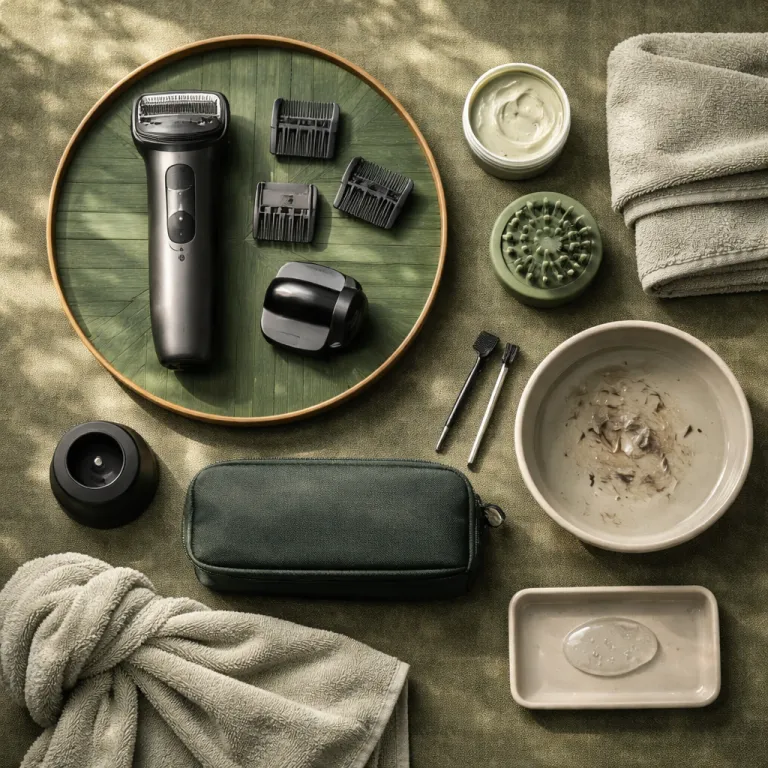

Why head shaving needs a different electric shaver strategy
Shaving a bald head with an electric shaver is not the same as shaving a jawline. Your scalp curves sharply over the skull, the skin on the crown is thinner, and short hair stubble reflects light differently, so every missed patch shows. If you simply grab a face shaver and drag it over your head, you will usually get patchy coverage, more irritation and a shave that never feels truly close.
Most men who ask about the best electric shaver for bald head grooming have already tried a standard electric shaver on both head and face. They quickly learn that even premium foil shavers like the Braun Series 9 Pro or Panasonic Arc 5 struggle to stay in contact over the back of the head, especially around the occipital bone. The result is a frustrating loop of going over the same area repeatedly, pressing harder, and ending up with razor burn on sensitive skin that was supposed to be protected.
Dedicated head shavers exist because rotary heads can pivot and float independently over the skull in ways a flat foil cannot. A good head shaver uses multiple small rotary blades arranged in a cluster that hugs the scalp, allowing you to move in tight circular motions without catching longer hair or digging into moles. When you compare these electric head designs to a traditional face shaver, the difference in comfort on the crown and behind the ears is immediate.
Rotary versus foil: what actually works on a bald scalp
For a bald head, rotary shavers almost always beat foil designs on comfort and coverage. Independent floating rotary heads follow the skull curves with less manual wrist adjustment, so you can keep light pressure and still get a close shave on tricky spots like the crown. That is why most purpose built head shavers use rotary blades rather than long straight foils.
The Philips Series 7000 and similar Philips rotary shavers use wide rotary heads with scalp friendly guards that reduce hotspots on sensitive skin. In practice, this Philips head design glides more easily over the back of the head than a typical face shaver, especially when you use circular motions and keep the skin slightly stretched with your free hand. If you want to understand how modern blade engineering helps here, look at how edge blade technology is changing electric shavers in recent product generations, with thinner cutting elements and better capture channels for short hair.
Foil shavers still have a role, particularly if you want one electric shaver for both head and face. A high end foil can give a very close shave on flat areas like the temples and cheeks, but it will demand more technique on the round skull. For most sensitive scalp users asking about the best electric shaver for bald head comfort, a rotary based dedicated head shaver is the safer long term bet.
Dedicated head shavers: skull shaver, pitbull and the new specialists
Dedicated head shavers have exploded in popularity because they solve problems that classic shavers never addressed. Brands like Skull Shaver, Freebird and XtremePro build compact palm held units that wrap several rotary blades into a single electric head, giving almost 360 degree coverage over the skull. Instead of a long handle, you grip the head shaver itself, which makes it easier to reach the back of the head and the area just above the neck.
Skull Shaver’s Pitbull line is the best known example, with models such as the Pitbull Gold Pro, Pitbull Platinum Pro and Bald Eagle Pro targeting different budgets and features. The Pitbull Gold and Pitbull Platinum use multi directional rotary blades in a cluster that flexes with the skull, and the Shaver Pitbull design keeps the motor close to your hand so you can feel resistance when hair gets longer. These Pitbull head shavers are usually sold with a travel case, which matters if you shave your head at the gym or on work trips and want to protect the blades from damage.
Freebird and other rivals follow a similar dedicated head approach, while XtremePro pushes safety further with shielded blades that minimise direct skin contact, which is appealing for very reactive scalps. Men who care about grooming trends and spending patterns can see how this niche has grown by looking at how men’s grooming spending has outpaced women’s in several recent market reports rather than relying on a single headline statistic. The key point is simple though, a dedicated head shaver is built for the head face combination, but it always prioritises scalp comfort first.
Model breakdown: what to expect from popular bald head shavers
When you compare specific models, the best electric shaver for bald head use is not always the most expensive one. Skull Shaver’s Pitbull Gold Pro sits in the middle of the range on price, yet its balance of battery life, shaving comfort and build quality makes it a strong everyday choice. The Pitbull Platinum Pro adds extras like a more premium finish and sometimes a better travel case, but the core shave feels similar on most scalps.
The Balder Pro and Balder Boss style shavers from various brands focus on a very close shave, often with slightly more aggressive blades that suit men who shave daily and keep hair extremely short. A Silver Pro or Shaver Pro variant might tweak the motor speed or add wet dry capability, letting you use foam in the shower for less irritation. If you prefer a more mainstream brand, a Philips rotary shaver with a multi head cluster can double as a face shaver, though it will not always match a dedicated Pitbull Gold or Pitbull Platinum for pure skull comfort.
Whatever you choose, pay attention to how easily the blades rinse and how often they need replacing, because that will affect the real price over several years. Some electric shaver models bought on Amazon look good initially but use cheaper plastics that squeak or crack around the head after repeated cleaning. A robust electric head assembly that opens cleanly, drains well and locks back with a solid click is worth more than an extra LED or a flashy gold accent.
| Model | Type | Typical battery life* | Blade replacement guide* | Main pros | Main cons |
|---|---|---|---|---|---|
| Pitbull Gold Pro | Rotary head shaver | Approx. 60–90 minutes | About every 12–18 months | Strong balance of comfort, price and build quality | Not the absolute closest shave for heavy growth |
| Pitbull Platinum Pro | Rotary head shaver | Approx. 60–90 minutes | About every 12–18 months | Premium finish, extra accessories and travel case | Higher cost for similar core shaving performance |
| Balder Pro / Balder Boss | Rotary head shaver | Roughly 45–60 minutes | About every 12–24 months | Very close shave for daily bald maintenance | Can feel aggressive on very sensitive scalps |
| Philips Series 7000 | Rotary face and head shaver | Around 50–60 minutes | About every 24 months | Versatile for head and face with gentle guards | Less specialised than a dedicated skull shaver |
*Battery and replacement intervals are typical manufacturer ranges and independent test figures; actual performance varies with hair type, shaving frequency and maintenance.
Wet versus dry: managing irritation on a sensitive scalp
For sensitive skin, the choice between wet and dry shaving on a bald head is not cosmetic, it is central to comfort. Dry shaving with a rotary head shaver is faster and cleaner, but it can generate more friction and heat on the crown where the skin is thinnest. Wet dry capable shavers let you use gel or foam, which adds glide and reduces micro trauma, at the cost of more cleanup time in the bathroom.
Many men find that a wet shave with a dedicated head shaver two or three times a week, combined with quick dry touch ups in between, gives the best balance of closeness and comfort. Models like the Pitbull Gold Pro, Pitbull Platinum Pro and similar Balder Pro units are designed for this wet dry flexibility, and their sealed electric head housings cope well with running water. If you want a deeper dive into how a specific head shaver behaves with foam on a smooth scalp, a detailed guide to a Groomie style head shaver for a smooth scalp can be a useful reference point.
Whatever routine you choose, never press hard on the crown or the back of the head, because pressure will not make the shave closer, it will just inflame the skin. Use short circular motions, rinse the blades frequently to clear hair and sebum, and finish with a fragrance free moisturiser to calm the scalp. Over time, this gentle approach lets you maintain a consistently close shave without the cycle of redness, ingrown hairs and frustration.
Technique, maintenance and when a cheaper shaver is enough
Even the best electric shaver for bald head grooming will fail if your technique is poor or your maintenance is lazy. The most common mistakes are pressing too hard on the crown, skipping the back of the head blind spot and using a face shaver’s pop up trimmer for scalp edge cleanup where it can easily bite. A better approach is to map your skull with your fingers, shave in overlapping passes and use a dedicated head shaver for the main work, then a gentle detail trimmer only for sideburns and necklines.
Cleaning matters just as much as technique, because clogged blades force you to push harder and go over areas repeatedly. Rinse the electric head under warm water after every shave, open the cassette or rotary chamber weekly to tap out trapped hair and let everything dry fully before storage in the travel case. Replace blades or cutting heads on schedule, because a tired set of rotary cutters will tug at hair and make even a premium electric shaver feel cheap.
Not everyone needs a flagship Pitbull Platinum or a top tier Philips rotary shaver, especially if you shave every day and keep regrowth minimal. A mid range Gold Pro, Silver Pro or similar Shaver Pro model can be good enough, provided the build quality is solid and the blades are easy to source at a fair price. In the long run, the real test of any head face shaver is not the closeness in week one, but the closeness in year three.
Key statistics on electric head shaving and bald grooming
- Market research from Euromonitor indicates that men’s electric shaver sales have risen steadily over the last five years, while manual razor sales have remained almost flat, reflecting a shift toward convenient daily head and face maintenance. (Source: Euromonitor International, Men’s Grooming category reports, 2018–2023.)
- Industry surveys suggest that a growing share of electric shaver owners now use their device on the head as well as the face, a proportion that has roughly doubled since the early part of the last decade as dedicated head shavers became more available. (Source: Euromonitor International and manufacturer usage surveys summarised in recent grooming market briefings.)
- Dermatology guidance notes that switching from a manual razor to an electric shaver can reduce clinically significant razor burn and cuts on sensitive skin, especially on curved areas like the skull and neck, although exact percentages vary between studies. (Source: American Academy of Dermatology, guidance on shaving and pseudofolliculitis barbae, accessed 2023.)
- Battery life benchmarks from independent testers show that most modern rotary head shavers deliver between about 45 and 90 minutes of cordless use, which translates to roughly two to three weeks of head shaving for an average user who shaves every two days. (Source: Consumer Reports and similar independent electric shaver test panels, 2021–2023.)
- Consumer surveys in Europe report that many men who maintain a bald head cite “reduced maintenance time” as their primary reason for choosing an electric head shaver over regular wet razors, ahead of cost savings or travel convenience. (Source: Euromonitor International, European men’s grooming consumer insights, 2020–2023.)
FAQ about choosing the best electric shaver for a bald head
Is a rotary or foil shaver better for a bald head
For most bald scalps, a rotary shaver is better because the independent floating heads follow the skull’s curves with less pressure and fewer missed patches. Foil shavers can give a very close shave on flatter areas, but they demand more technique on the crown and the back of the head. If you have sensitive skin or struggle with irritation, a dedicated rotary head shaver is usually the safer choice.
How often should I shave my head with an electric shaver
Most men get the best results by shaving their head every one to three days with an electric shaver. Daily shaving keeps hair short enough that rotary blades glide smoothly and reduces the risk of tugging or patchiness. If your skin is very reactive, start with every two or three days and adjust based on how your scalp feels rather than chasing absolute smoothness.
Can I use the same shaver for my head and face
You can use one electric shaver for both head and face, but there are trade offs. A dedicated head shaver will usually feel more comfortable and efficient on the skull, while a classic face shaver may give a slightly closer result on the cheeks and jawline. If you want a single device, choose a model that is explicitly designed for head and face use and make sure the blades are easy to clean between areas.
Does wet shaving with an electric head shaver reduce irritation
Wet shaving with gel or foam often reduces irritation because it adds lubrication and softens the hair before cutting. Many wet dry capable head shavers are sealed for use in the shower, which can make the process more comfortable and convenient. The trade off is extra cleanup time, so some men reserve wet shaves for days when their scalp feels more sensitive.
When should I replace the blades on my head shaver
Most manufacturers recommend replacing rotary or foil blades roughly every 12 to 24 months, depending on how often you shave and how coarse your hair is. Signs that you need new blades include increased tugging, more passes needed for a close shave and visible nicks or dullness on the cutting surfaces. Replacing blades on schedule keeps performance consistent and protects sensitive scalp skin from unnecessary irritation.
References
- American Academy of Dermatology – guidance on shaving, razor burn and pseudofolliculitis barbae (various pages, accessed 2023)
- Euromonitor International – Men’s Grooming and Electric Shavers category reports and European consumer surveys (2018–2023)
- Consumer Reports – comparative testing and battery life benchmarks for electric shavers and grooming devices (2021–2023)