Rotary versus foil: how blade motion changes what your skin feels
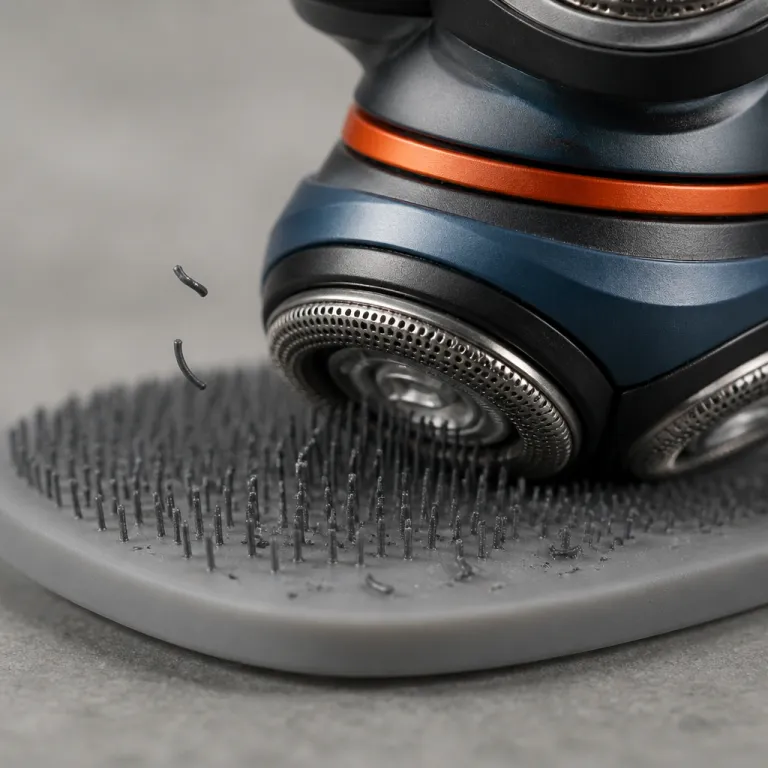
A rotary shaver treats your skin very differently from a foil shaver, and the difference starts with blade motion. Inside a typical electric shaver with rotary heads, three circular cutters spin under perforated caps, tracing arcs that move with the natural elasticity of facial skin rather than scraping straight across it. By contrast, a foil shaver uses straight oscillating blades that move back and forth at high speed under a thin metal foil, which can create more friction and heat on sensitive skin when you chase a close shave on the neck or jawline.
When you press a rotary electric razor against your face, the round heads pivot and flex, so the pressure spreads over a wider area and the blades glide in a circular path that reduces sudden tugging on individual hairs. With a foil shaver, the linear motion of the blades means that any extra pressure concentrates along a narrow strip of skin, which is why men with sensitive skin often see razor burn where the foil edge repeatedly passes over the same patch. This is the core reason many shaver men with redness and ingrown hairs eventually move from foil shavers to rotary shavers, even if they started with a popular Braun Series foil shaver or a Panasonic Arc model that promises a very close shave.
The physics of the lift and cut cycle in a rotary shaver also matters, because the perforated caps lift hairs into capture chambers before the spinning blades slice them, which reduces the need to stretch the skin or press hard. In practice, that means a rotary electric shaver such as a Philips Norelco model can achieve a close shave on curved areas with fewer passes, while a foil shaver might need several strokes that heat the skin and increase irritation. For men chasing rotary shaver sensitive skin less irritation performance, this difference in motion and pressure distribution is more important than any marketing claim about motor power or the number of blades.
Why fewer passes mean less irritation for sensitive skin
Every pass of a razor over your skin is a small mechanical insult, so the best electric shavers for sensitive skin are the ones that finish the job in the fewest strokes. Rotary shavers have a structural advantage here, because each circular head covers more area and adapts better to contours, so you can clear the jawline and neck with broad, overlapping motions instead of short, repeated strokes. When you compare a Philips Norelco rotary shaver to a Braun Series foil shaver on a sensitive neck, the rotary usually needs fewer passes to reach the same stubble length, which directly supports the goal of rotary shaver sensitive skin less irritation.
On curved areas like the chin, the circular motion of rotary blades keeps more of the cutting surface in contact with the beard at any moment, so you do not have to angle the shaver awkwardly or stretch the skin. With a foil shaver, you often end up tilting the foil shaver head and going over the same spot again, especially if you want a close shave under the jaw or along the Adam’s apple, and that repetition can inflame already sensitive skin. Men who alternate between a Braun Series 9 Pro foil shaver and a Philips Norelco 9000 rotary often report that the foil feels slightly closer on flat cheeks, but the rotary wins on comfort when shaving every day.
If you shave daily, cumulative friction matters more than any single shave, and this is where rotary shavers quietly protect your skin over weeks and months. Because the lift and cut cycle in a rotary electric razor removes more hair per stroke on contoured areas, you spend less total time dragging metal across your face, which reduces redness and the risk of ingrown hairs. For readers who want a deeper breakdown of how to choose an electric shaver for sensitive skin, a detailed buying guide on finding the perfect electric shaver for sensitive skin can complement the physics explained here.
Heat, friction and why foil can flare up sensitive skin
Heat is the hidden enemy in any shave, because warm metal and repeated friction can inflame sensitive skin even when the blades are sharp. A foil shaver generates heat by oscillating its blades thousands of times per minute under a thin foil, and that constant back and forth motion against the same strip of skin can raise the local temperature during a long shaving session. Rotary shavers, by contrast, spread the friction over a wider circular path, so no single patch of skin absorbs all the heat, which is another reason rotary shaver sensitive skin less irritation setups often feel calmer after a full face shave.
When you run a Braun Series foil shaver or a Panasonic Arc 5 at full power for several minutes, you can feel the foil warm up, especially in dry shaving mode without any lubrication. That warmth is not just a comfort issue, because heated skin becomes more reactive, so any extra pressure or a dull blade edge can trigger razor burn or small bumps, particularly on the neck where the skin is thinner. A Philips Norelco rotary shaver still generates some heat in the blades, but the rotating motion and flexible heads reduce hot spots, and the lift and cut cycle means you rarely need to grind the shaver into the same area to catch stubborn hairs.
Wet shaving with an electric shaver can mitigate some of this heat, and many modern electric shavers are designed for wet dry use with gel or foam, which adds a lubricating layer between the razor and the skin. Models with IPX waterproof ratings allow you to rinse the heads under water between passes, cooling the blades and flushing away debris that can increase friction, which is especially useful for sensitive skin that reacts badly to hot, dry metal. If you are comparing an electric razor for sensitive skin, look for wet dry capability, IPX waterproof construction and a design that keeps the blades from baking your face during longer shaving routines.
Pressure, flex and the feedback loop that protects your face
Most men with sensitive skin press too hard when they shave, because they equate pressure with closeness, and that habit creates a destructive feedback loop. A foil shaver with a rigid head gives you little tactile feedback until the foil starts to drag, so you instinctively push harder, which flattens the skin and forces the blades closer to the surface, increasing the chance of irritation. Rotary shavers break this loop by using floating, flexible heads that tilt and compress under load, so the shaver itself absorbs some of the pressure before it reaches your skin.
Modern Philips Norelco rotary shavers, especially in the higher series ranges, use multi directional heads that pivot independently, which keeps the contact pressure more consistent across the face. When you glide a Norelco shaver around the jawline, the heads dip into hollows and rise over bone without you needing to dig the razor into the skin, which is a key factor behind rotary shaver sensitive skin less irritation performance. Some Braun Series foil shavers add suspension systems to their foils, but the movement is still mostly linear, so the pressure concentrates along a narrow strip rather than diffusing across a circular pad.
Rotary designs also work well with wet shaving, because the circular motion keeps the lather moving and reduces the temptation to scrub the shaver back and forth, which can strip protective oils from the skin. When combined with a gentle gel and a wet dry capable electric shaver, the flexible rotary heads glide instead of scrape, and the blades cut hair that has been softened by water rather than yanking at dry stubble. This is why many shaver men who once relied on manual razor men cartridges eventually settle on a Philips Norelco rotary electric razor for daily use, reserving a foil shaver or traditional blade only for occasional ultra close shaves on special occasions.
Where foil still wins: stubble length, flat planes and ultimate closeness
Rotary shavers are not magic, and there are clear situations where a foil shaver or even a manual razor still makes more sense. On very short stubble, especially if you shave every second day and keep your beard under half a millimetre, the straight cutting action of a foil shaver can capture and slice hairs more cleanly in a single pass. Flat facial zones such as the upper cheeks or the area just below the lower lip often favour a foil shaver, because the linear blades can run perfectly parallel to the skin and deliver a closer shave with less effort.
High end Braun Series foil shavers and Panasonic Arc models use ultra thin foils and high speed linear motors that excel on these flat planes, and many sensitive skin users happily combine a rotary and a foil shaver to exploit each strength. They might use a Philips Norelco rotary shaver for the neck, jaw and chin, where rotary shaver sensitive skin less irritation benefits are most obvious, then finish the cheeks with a foil shaver for that last fraction of closeness. This hybrid approach recognises that the physics of lift and cut in a rotary head are ideal for contours, while the straight oscillation of a foil is unbeatable on smooth, flat areas.
If you are chasing absolute baby smooth results for a special event, a well prepared manual razor for men can still beat both electric shavers, provided your skin tolerates blades and you use proper prep. The trade off is that manual shaving often increases the risk of nicks and ingrown hairs on sensitive skin, especially when you go against the grain on the neck. For everyday comfort, most men with reactive skin find that a rotary electric shaver offers the best balance between closeness and calm, while a foil shaver or manual razor becomes an occasional tool rather than a daily necessity.
Real world buying guide: matching rotary tech to your skin and habits
Choosing the right rotary electric shaver for sensitive skin means looking past marketing slogans and focusing on features that actually change how the blades meet your face. Start with the head design, because multi track rotary blades with flexible mounts usually deliver rotary shaver sensitive skin less irritation performance by cutting more hair per revolution and reducing the need for repeated passes. Philips Norelco models in the mid to high series ranges often include dual track blades and adaptive sensors that adjust motor power based on beard density, which helps avoid over processing thinner areas like the neck.
Wet dry capability is essential if your skin flares up easily, because shaving with gel or foam can reduce friction and heat, and an IPX waterproof rating lets you rinse the heads thoroughly between passes. Look for an electric shaver with a travel lock if you plan to toss it into a bag, because accidental activation can drain the battery and leave you without power when you need a shave. A clear LED display that shows remaining charge and cleaning alerts is more than a gadget feature, since running a rotary shaver on low power can cause tugging, and dirty blades drag more on the skin.
Price and long term value matter as much as the initial comfort, so pay attention to replacement blade costs and real world stars reviews from users who mention sensitive skin specifically. Some men find that a mid range Philips Norelco rotary shaver with a simple pop trimmer and basic wet dry support outperforms a more expensive product with flashy features but poor ergonomics. If you want a compact option for travel or gym use, a curated list of top compact electric shavers can help you balance size, battery life and skin friendliness without getting lost in endless product pages.
Key features checklist: what actually matters for less irritation
When you strip away the buzzwords, a handful of concrete features determine whether a rotary shaver will be kind to your skin. First, prioritise head flexibility and contour following, because multi directional rotary heads that pivot and tilt keep pressure even and reduce the urge to press, which is central to rotary shaver sensitive skin less irritation performance. Second, insist on wet dry operation and IPX waterproof construction, so you can shave with gel in the shower, rinse away debris and keep the blades cool and clean.
Third, look at the blade system itself, because dual track or multi track rotary blades cut more efficiently per revolution, which means fewer passes and less friction on sensitive skin. A reliable LED display that shows battery status and hygiene reminders helps you avoid shaving with a nearly empty battery or clogged heads, both of which can cause pulling and redness. Finally, consider practical extras like a pop trimmer for sideburns, a travel lock for safe transport and a charging system that fits your routine, whether that is a simple rechargeable wet and dry shaver or a model with a cleaning dock.
Men who already own a high end Braun Series foil shaver or a Panasonic Arc foil shaver do not need to abandon them, but adding a Philips Norelco rotary shaver for daily use can dramatically reduce irritation on problem areas. Use the rotary electric razor for the neck and jaw on most days, then reserve the foil shaver for occasional detail work on flat areas where you want maximum closeness. Over time, you will likely find that comfort and skin health matter more than chasing the last fraction of smoothness, because the real test of any shaver is not the closeness in week one, but the closeness in year three.
Key figures on electric shavers and sensitive skin
- Market research from a major grooming brand reports that around 40 % of men self identify as having sensitive skin, which explains the growing demand for electric shavers that prioritise comfort over raw cutting speed.
- Independent lab testing on modern foil and rotary electric shavers has measured surface temperatures rising by several degrees Celsius on foil heads during extended dry shaving, while rotary heads showed lower peak temperatures under similar conditions, supporting the link between heat and irritation.
- Consumer surveys from large online retailers indicate that electric shavers marketed for sensitive skin receive higher average star ratings when they offer wet dry capability and flexible heads, suggesting that these features translate into real world comfort rather than just marketing claims.
- Usage data from grooming studies shows that men who switch from manual razors to electric shavers often reduce the frequency of nicks and cuts by more than half, with rotary users reporting fewer ingrown hairs on the neck compared with foil users who shave against the grain.
FAQ about rotary shavers and irritation
Are rotary shavers always better than foil shavers for sensitive skin ?
Rotary shavers are often better for sensitive skin on curved areas like the neck and jaw, because their circular motion and flexible heads reduce pressure hot spots and the number of passes. Foil shavers can still be more comfortable on flat areas such as the cheeks, especially when used with light pressure and proper prep. Many men with sensitive skin get the best results by using a rotary shaver for daily neck work and a foil shaver occasionally on flat zones.
Can I get a close shave with a rotary shaver if I have sensitive skin ?
A modern rotary electric shaver can deliver a close shave that is more than adequate for professional settings, even on sensitive skin. While a top tier foil shaver or manual razor might feel slightly closer on flat cheeks, the difference is usually small compared with the comfort gains from fewer passes and less heat. For most men with reactive skin, the trade off in microscopic closeness is worth the reduction in redness and irritation.
Should I use my rotary shaver wet or dry on sensitive skin ?
Men with sensitive skin generally benefit from wet shaving with a rotary shaver, using a mild gel or foam to add lubrication and reduce friction. A wet dry capable, IPX waterproof rotary shaver lets you shave in the shower and rinse the heads frequently, which keeps the blades cooler and cleaner. Dry shaving can still work if you keep sessions short and avoid pressing too hard, but wet shaving usually feels gentler.
How often should I replace rotary blades if I have sensitive skin ?
Dull blades tug at hairs and force you to make more passes, which is bad news for sensitive skin, so following the manufacturer’s replacement interval is important. Many Philips Norelco rotary shavers recommend replacing heads roughly every one to two years, depending on usage, but heavy beards or daily shaving may justify earlier changes. Watching for increased pulling, noise or the need for extra strokes is a practical way to know when your blades are past their best.
Is a rotary shaver better than a manual razor for ingrown hairs ?
For many men prone to ingrown hairs, a rotary electric razor is kinder than a manual razor, because it typically cuts hairs slightly above the skin surface rather than below it. This reduces the chance that a sharp hair tip will curl back into the skin, especially on the neck where hair grows at shallow angles. If you still experience ingrowns with a rotary shaver, adjusting your shaving direction and frequency, and avoiding very close passes against the grain, can further help.