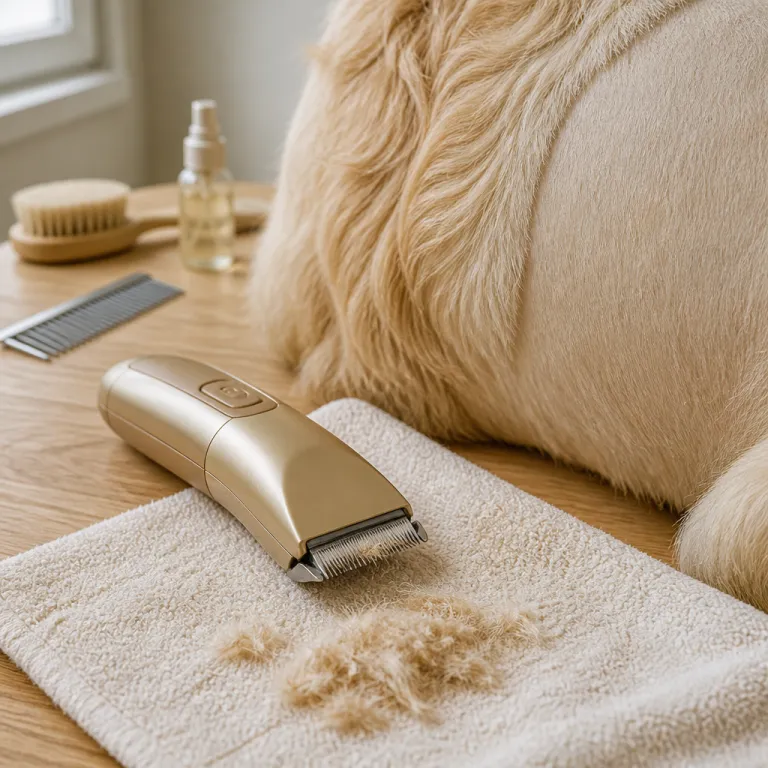

Why cordless dog clippers matter more than you think
Cordless dog clippers change how you manage dog hair at home. A well designed cordless grooming clipper gives you freedom of movement, consistent cutting speed, and fewer tangled cables during grooming sessions. For many owners, that combination of cordless convenience and controlled clip speed turns stressful grooming into a manageable routine.
When you compare cordless clippers with older corded hair clippers, the difference in handling is immediate and obvious. You can move around a nervous dog without dragging a cable across paws, and you can adjust your angle around sensitive areas where a sharp blade and steady hand really matter. This makes each grooming session safer, quieter, and easier for both the dog and the person holding the clipper.
Battery technology now allows cordless clippers to maintain high speed cordless performance for an entire full body clip. Modern lithium ion packs keep the motor from dropping into clippers low power mode halfway through, which used to leave one side of the coat shorter than the other. That reliability is crucial when you want a clean clip on thick dog hair without paying salon price every month.
How to compare cordless dog clippers like a pro
Anyone can read a clippers list on a retailer page, but serious buyers need to compare features that actually affect grooming. Start with motor speed and torque, because a low powered hair clipper will snag dog hair instead of cutting it cleanly. Then look at battery capacity, since a cordless dog clipper that stops mid session forces you to rush and increases the risk of mistakes.
Build a simple options list before you buy, including weight, noise level, and blade compatibility. When you compare Andis cordless clippers with other brands, for example, you will notice how the Andis Pulse models balance speed with a relatively quiet motor for anxious dogs. If you also compare Joyzze cordless clippers in the same list, you can see how each item trades slightly different speed cordless settings and battery runtimes for a similar price bracket.
Noise matters more than many owners expect, because a quiet clipper keeps the dog calmer and reduces sudden movements. A clipper that vibrates heavily or whines at high pitch will make grooming harder, even if the blade is sharp and the kit includes every guard comb imaginable. When you compare Joyzze models with clippers Andis offers, pay attention to decibel ratings and user comments about how quiet the clippers stay at top speed.
Battery health also affects long term performance, just as it does with beard trimmers and electric shavers. If you have ever felt a failing trimmer tug at your own hair, you know how unpleasant that can be, and guides about signs your beard trimmer is dying before it pulls your last hair apply surprisingly well to cordless dog clippers. The same warning signs of reduced speed, inconsistent power, and overheating should push you to replace a dog clipper before it starts pulling sensitive dog hair.
Blades, speed settings, and coat types
The blade is the heart of every cordless dog clipper, and its design determines how cleanly it can clip different coat types. Fine toothed blades suit silky hair, while wider teeth handle dense dog hair or double coats without clogging. When you read any clippers list, always check which blade sizes are included in the kit and which must be purchased as a separate item.
Multi speed cordless clippers give you more control over heat and noise, because you can run at lower speed around ears or paws. High pulse speed settings, sometimes marketed as falcon speed or turbo modes, are useful for thick mats but will warm the blade faster. That is why experienced groomers keep a simple speed strategy in mind, using the lowest effective setting to protect both the dog and the hair clipper itself.
Brands like Andis and Joyzze often highlight their proprietary blade systems, and you should compare Andis blade compatibility with clippers Joyzze offers before committing. Some cordless clippers accept universal steel blades, while others rely on brand specific ceramic options that stay cooler but cost more to replace. For owners who groom several dogs, the long term price of replacement blades can exceed the original clipper price if they choose poorly.
Speed also influences finish quality on short styles, especially when you aim for a smooth clip on the face or sanitary areas. A low speed setting lets the blade glide more gently, reducing the chance of clipper tracks in short hair. If you want one cordless dog clipper to handle both full body clips and delicate trimming, prioritize models with at least two or three speed cordless modes clearly labeled on the housing or digital display.
People who already use advanced electric shavers for their own beards will recognize similar technology in premium dog clippers. Features like one touch acceleration, waterproof housings, and travel locks that appear in a rechargeable electric razor for men now influence expectations for pet grooming tools. When a cordless dog clipper borrows these ideas, it usually offers better ergonomics, clearer battery indicators, and more precise control over blade speed.
Noise, vibration, and comfort for anxious dogs
Many dogs fear grooming because of past experiences with loud hair clippers and rough handling. A quiet cordless dog clipper with low vibration can change that emotional association over time. When the clipper feels smooth in your hand and sounds more like a gentle hum than a drill, the dog is more likely to stay still.
Look for manufacturers that publish noise levels in decibels, since vague claims about quiet clippers mean little without numbers. Models finished in a matte color black casing often dampen vibration slightly, although the internal motor design matters far more than the paint. Some premium cordless clippers even suspend the motor on rubber mounts, which reduces the buzz that travels through your fingers and into the dog’s skin.
Comfort also depends on clipper weight and balance, especially during long grooming sessions on large dogs. A heavy clipper with a top heavy battery pack will tire your wrist quickly, making it harder to maintain a steady clip line along the body. When you compare Joyzze and clippers Andis side by side, hold each item as if you were clipping for ten minutes and notice how your hand feels.
Owners who already use compact shavers for travel often appreciate similar ergonomics in pet tools. A mini electric shaver for men that fits neatly in a travel kit shows how much difference a well shaped handle makes, and the same principle applies to cordless dog clippers. If the grip is too thick or the buttons sit where your fingers rest, you will accidentally change speed or switch off the clipper mid stroke.
For very sensitive dogs, consider starting with short sessions that focus only on one area of dog hair at a time. Use the lowest speed cordless setting that still cuts cleanly, and reward calm behavior with treats between each clip pass. Over several weeks, the combination of a quiet clipper, gentle handling, and predictable routine can turn grooming from a battle into a tolerable, even neutral, experience.
Price, value, and what a good kit should include
Price ranges for cordless dog clippers vary widely, and the cheapest option is rarely the best value. A very low price often signals weak motors, poor blades, and batteries that fade after a few months of regular grooming. Paying slightly more for a reputable brand usually means better materials, longer warranties, and more consistent clip performance on different hair types.
When you evaluate a grooming kit, check which accessories come in the box and which you must buy separately. A thoughtful kit will include several guard combs, a cleaning brush, blade oil, and sometimes a spare blade or charging stand as part of the base item. If the clippers low price hides the fact that you need to purchase essential accessories later, the real cost of ownership climbs quickly.
Make a simple options list that compares battery runtime, charge time, and replacement blade price across at least three cordless clippers. For example, you might compare one Andis Pulse model, one Joyzze falcon speed clipper, and a third mid range cordless dog clipper from another brand. When you compare Andis and compare Joyzze offerings this way, you can see which brand delivers the best balance of speed, quiet operation, and long term costs.
Owners who already invest in quality electric shavers for personal use understand the logic of paying for durability. A travel friendly shaver with an HD display and strong waterproof rating costs more upfront but often lasts longer and performs better than a bargain model. The same pattern holds for dog clippers, where a slightly higher initial price can mean years of reliable grooming instead of frequent replacements.
Always factor in the cost of professional grooming when judging value, because a solid cordless dog clipper can pay for itself quickly. If you usually visit a groomer every six weeks, even partial home grooming between appointments reduces overall spending while keeping dog hair under control. Over time, that combination of lower bills and better coat maintenance justifies choosing quality over the lowest possible price tag.
Maintenance, hygiene, and when to replace your clipper
Even the best cordless dog clippers will fail early if you neglect maintenance. Dog hair, skin oils, and microscopic dirt build up between blade teeth, increasing friction and heat during every clip. Cleaning the blade after each session and oiling it according to the manual keeps both speed and cutting performance consistent.
Start by brushing loose hair from the blade, then remove the cutting assembly if the design allows easy access. A few drops of clipper oil along the moving edge reduce wear, while occasional use of blade wash removes deeper grime that simple brushing cannot reach. This routine protects the hair clipper motor from strain, because a dirty blade forces the cordless dog clipper to work harder at every speed setting.
Hygiene matters for the dog’s skin as well, especially if you groom multiple dogs with the same clippers. Disinfecting the blade between animals reduces the risk of spreading minor skin infections or parasites through the grooming process. Some owners keep a separate blade or even a separate clipper item for particularly sensitive dogs, which is a sensible approach when budget allows.
Eventually, even well maintained clippers show signs of age, such as reduced speed cordless performance, increased noise, or batteries that no longer hold a full charge. When you notice the clipper pulling dog hair instead of cutting it, or when the motor surges and stalls, replacement becomes a welfare issue rather than a convenience choice. At that point, adding the failing tool to a clippers list of backups and investing in a new primary clipper is the responsible move.
People who track the performance of their own grooming tools, from beard trimmers to compact travel shavers, often recognize these warning signs early. If your personal shaver starts leaving patches or requires multiple passes, you instinctively know something is wrong, and the same logic applies to dog clippers. Paying attention to these small changes protects both your dog’s comfort and the overall quality of your grooming routine.
Key statistics about cordless dog clippers and home grooming
- Surveys from major pet care retailers show that more than 60 percent of dog owners now perform at least some grooming at home, which increases demand for reliable cordless dog clippers that can handle full body clips between salon visits. These figures are typically drawn from internal customer panels and annual pet care reports, such as retailer trend summaries and loyalty program questionnaires.
- Industry reports from pet product associations indicate that cordless clippers account for over half of new professional grooming tool sales, reflecting a clear shift away from corded hair clippers as battery technology improves. Trade publications, manufacturer sales data, and market research summaries usually support this trend in their published statistics.
- Noise studies on grooming equipment have found that many modern cordless clippers operate between 50 and 65 decibels, which is comparable to a normal conversation and significantly quieter than older high speed corded models that often exceeded 70 decibels. Independent lab tests, acoustic measurements, and product spec sheets commonly publish these dB ranges for specific clipper models.
- Analyses of grooming costs suggest that regular professional grooming for medium sized dogs can exceed several hundred euros per year, while a single high quality cordless dog clipper typically costs less than two full grooming appointments. Consumer price comparisons, grooming salon rate cards, and household spending surveys are the usual sources for these estimates.
- Battery testing by independent reviewers shows that premium lithium ion powered clippers can maintain over 80 percent of their original runtime after hundreds of charge cycles, which means several years of weekly grooming for a typical household dog. Long term endurance tests, reviewer teardown articles, and manufacturer cycle life ratings provide the underlying data for these battery performance claims.
FAQ about cordless dog clippers
Are cordless dog clippers powerful enough for thick coats ?
Modern cordless dog clippers with strong lithium ion batteries and efficient motors are powerful enough for most thick coats. Look for models with multiple speed settings and blades designed for dense dog hair, rather than relying on basic hair clippers intended for humans. Professional groomers routinely use cordless clippers on double coated breeds when the tools are properly maintained and matched to the coat type.
How often should I replace the blades on my dog clipper ?
Blade replacement frequency depends on how often you groom, the thickness of the dog hair, and how carefully you maintain the clipper. For a single dog groomed every six to eight weeks, many owners can use the same blade for a year or more with regular cleaning and oiling. Once you notice pulling, uneven cutting, or increased heat at normal speed, it is time to sharpen or replace the blade.
What is the ideal noise level for a quiet dog clipper ?
A practical target for quiet cordless clippers is around 60 decibels or lower, which is similar to a normal conversation in a calm room. Some premium models advertise even lower noise levels, but the dog’s comfort also depends on vibration and how the sound frequency feels to sensitive ears. When testing a new clipper, watch the dog’s body language closely, because flinching or head turning often reveals discomfort before you notice the exact noise level.
Can I use human hair clippers on my dog instead of dedicated dog clippers ?
Human hair clippers are not designed for the texture, density, and sometimes dirty condition of dog hair, so they often clog, overheat, or pull. Dedicated dog clippers use different blades and stronger motors that handle undercoat and small debris more safely. Using the correct tool protects both the dog’s skin and the lifespan of the clipper.
How long should a fully charged cordless dog clipper run ?
Most quality cordless dog clippers offer between 60 and 120 minutes of continuous runtime on a full charge, which is enough for one or two average sized dogs. Professional grade models sometimes include fast charging or swappable batteries to extend working time for busy grooming schedules. When choosing a clipper, match the advertised runtime to the size and number of dogs you plan to groom in a single session.