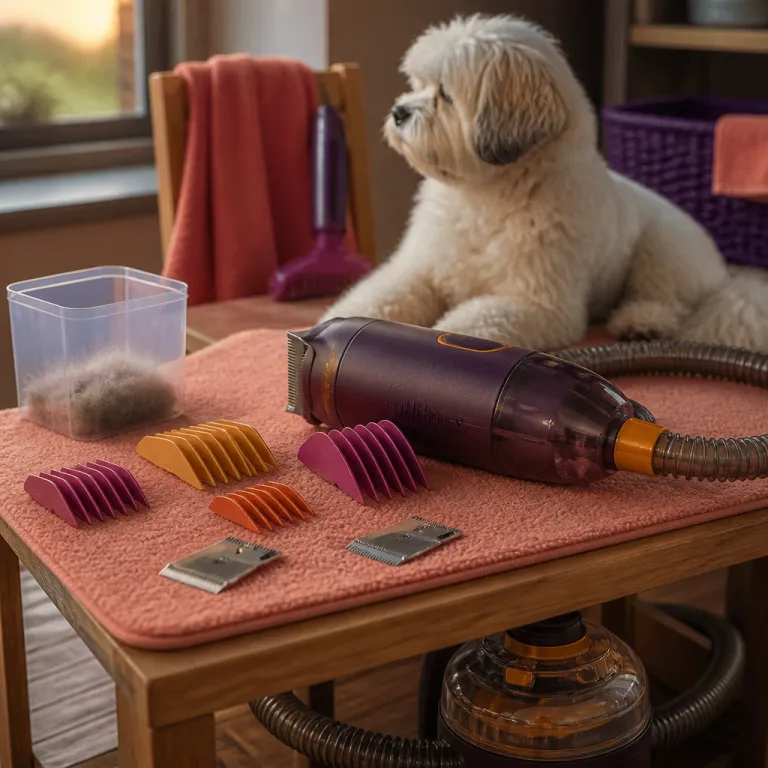

Why vacuum clippers for dogs are changing home grooming
Vacuum clippers for dogs turn chaotic grooming into a cleaner, more controlled routine. By combining an electric clipper with a built in vacuum, this type of product captures pet hair before it scatters across your home. For many pets and owners, that single change makes dog grooming feel manageable instead of overwhelming.
When you understand how these systems work, the benefits become clear for every pet and every owner. The clipper head trims the dog coat while the grooming vacuum pulls loose hair through a hose into a dust cup, so you finish with less sweeping and less lint rolling on furniture. Because the vacuum clippers for dogs collect shedding in real time, you also see the coat more clearly and can shape it with better precision and less wasted time.
For people used to traditional grooming clippers, the big difference is the integrated airflow. A standard clipper leaves piles of pet hair on the floor, while dog vacuums built into the handle or hose keep the working area visible and cooler for the dog. That combination of cutting and suction helps many pets tolerate longer sessions, especially when the noise level is lower than a typical household vacuum and the grooming brush glides smoothly over the skin.
Key components of a modern dog grooming vacuum kit
A modern grooming kit built around vacuum clippers for dogs usually includes several specialized tools. You often get a primary clipper for full body dog grooming, a deshedding brush or shedding brush for seasonal shedding, and a grooming brush for daily pet grooming maintenance. Many kits also add a nail grinder and sometimes a compact vacuum dryer to finish the session without moving the pet to another noisy room.
The heart of any vacuum kit is the motor unit and dust cup, which determine how much pet hair you can collect before emptying. A larger dust cup suits big dogs or multi pet households, while smaller pets can manage with a lighter, more portable product that still offers strong vacuum suction. Typical home units, according to manufacturer specifications, hold roughly 1–2 liters of hair and dander and deliver around 8–12 kPa of suction, which is enough for routine grooming without the force of a full size upright vacuum.
Some brands, such as oneisall, design a full pet grooming kit where the same vacuum connects to several heads. In these systems, the oneisall dog clipper, deshedding brush, and grooming brush share a single hose, which keeps the grooming area tidy and reduces storage space. If you want to learn oneisall features in detail, you can compare them with other electric grooming tools such as a dedicated body trimmer for men in an in depth body trimmer review, then apply the same evaluation criteria to dog vacuums.
How vacuum clippers for dogs compare with traditional grooming clippers
Traditional grooming clippers remain popular, but vacuum clippers for dogs address several persistent pain points. Standard clippers scatter loose hair over the floor, while grooming vacuum systems trap it immediately, which matters if anyone in the home has allergies. For owners who groom big dogs or multiple pets, that difference in cleanup time can be dramatic after each full session.
Noise level is another critical factor when you learn how dogs perceive grooming tools. Many pets fear the high pitched sound of older clippers and household vacuums, so manufacturers now tune motors to a softer tone and lower vibration. A well designed grooming vacuum often runs at roughly 60–70 dB at the lowest setting—quieter than a typical household vacuum—based on brand published data, and when paired with sharp clipper blades it glides through coats faster, which shortens the time a nervous dog must stay still.
Professional groomers often use heavy duty grooming clippers without integrated suction, especially for dense or matted coats. Home users, however, increasingly choose vacuum clippers for dogs because they balance cutting power, pet comfort, and cleanliness in one kit. If you want to understand what professionals expect from a clipper for thick coats, examine a detailed review of a professional dog clipper for grooming and then compare its features with a grooming vacuum designed for home use.
Evaluating oneisall and similar brands in the pet vacuum grooming market
Among brands offering vacuum clippers for dogs, oneisall has become a frequent reference point. A typical oneisall dog grooming kit combines a compact vacuum unit, several grooming clippers heads, and multiple brushes for different coat types. Owners who learn oneisall system strengths often highlight the balance between suction power, noise level, and overall price compared with rival products.
When you assess any oneisall product or competing vacuum kit, focus on three pillars. First, examine the clipper blades material and design, because dull or poorly aligned blades pull hair and increase shedding rather than cutting cleanly. Stainless steel or ceramic blades with detachable guards are common, and many cordless units offer 60–90 minutes of runtime per charge according to manufacturer claims, which is usually enough for one or two medium sized dogs.
Third, look closely at the included accessories, such as the deshedding brush, shedding brush, grooming brush, and nail grinder, because these determine how complete the grooming kit feels for different pets. A family with big dogs that shed heavily needs a robust deshedding brush and strong grooming vacuum suction, while owners of small pets may prioritize a lighter clipper and quieter dog vacuums. For readers interested in electric shaving technology more broadly, a detailed test of a wet and dry electric shaver with skin protect technology shows how similar engineering principles around blades, motors, and ergonomics apply across both human and pet grooming devices.
Practical tips to learn efficient home pet grooming with vacuum systems
Efficient use of vacuum clippers for dogs starts long before you switch on the motor. Begin by letting the dog sniff the grooming kit, brush, and hose while the vacuum remains off, so the pet associates them with calm handling rather than sudden noise. Many pets relax faster when you first use a soft grooming brush or deshedding brush without suction, then gradually introduce the grooming vacuum at a low setting.
Once the dog accepts the sound, plan the session in stages to manage both time and stress. Start with areas that shed the most pet hair, such as the back and hindquarters, using the clipper for length control and the shedding brush for loose hair. Empty the dust cup before it becomes full, because a packed dust cup reduces suction and forces the clipper to work harder, which can increase heat and noise level during longer dog grooming sessions.
After trimming, switch to a deshedding brush attachment to capture remaining loose hair, then finish with a nail grinder if the pet tolerates paw handling. Some vacuum clippers for dogs pair with a gentle vacuum dryer, allowing you to wash and dry pets without moving them between rooms or appliances. Over several sessions, both dogs and other pets usually learn that the grooming clippers, brushes, and dog vacuums signal a predictable routine rather than a stressful surprise.
Cost, value, and long term care of vacuum clippers for dogs
Price often decides whether owners try vacuum clippers for dogs or stay with basic scissors and combs. While the regular price of a full grooming kit with vacuum can exceed that of a simple clipper, the long term value becomes clear when you compare it with repeated salon visits for big dogs. For multi pet households, the savings in professional pet grooming fees and cleaning supplies can outweigh the initial cost within a relatively short time.
To protect that investment, maintain the clipper blades and vacuum components carefully. Clean blades after each use, oil them according to the manufacturer instructions, and replace them when you notice pulling or uneven cutting, because damaged blades increase shedding and discomfort. Wash or replace filters in the grooming vacuum, empty the dust cup promptly, and inspect hoses for blockages of pet hair or loose hair, which can strain the motor and raise the noise level over time.
Owners should also budget for replacement accessories such as a new grooming brush, deshedding brush, or nail grinder head, especially in busy homes with several pets. When you learn how each part contributes to the overall performance of vacuum clippers for dogs, you can prioritize which components to upgrade first. A well maintained vacuum kit often remains effective for many grooming seasons, keeping both dogs and owners more comfortable with every session.
Key figures and statistics about dog grooming and shedding
- Surveys from major pet industry associations report that more than half of dog owners perform at least some dog grooming at home, which explains the rapid growth of grooming clippers and vacuum clippers for dogs in retail sales. These figures are typically based on self reported owner questionnaires rather than controlled studies.
- Market analyses show that spending on pet grooming products, including grooming kit bundles and dog vacuums, has increased by double digit percentages over recent years, outpacing many other pet care categories. Most of these numbers come from manufacturer and retailer sales data compiled by commercial research firms.
- Veterinary dermatology sources estimate that regular brushing and deshedding can reduce loose hair and visible shedding in the home by up to one third, especially when owners use a dedicated deshedding brush or shedding brush on double coated breeds. This range is usually reported as an expert guideline rather than a single laboratory measurement.
- Noise level is a leading cause of pet stress during grooming, and studies on animal behavior indicate that many dogs remain calmer when exposed to consistent sounds below typical household vacuum volumes, which supports the design trend toward quieter grooming vacuum motors. Exact decibel thresholds vary between studies, so most brands rely on internal testing when advertising noise reductions.
- Economic comparisons between home grooming and salon visits suggest that owners of big dogs who groom monthly can save the equivalent of several full service appointments each year by investing once in a quality vacuum kit and maintaining it properly. These savings are usually calculated by comparing average groomer prices with manufacturer estimated product lifespans.
FAQ about vacuum clippers for dogs
Are vacuum clippers for dogs safe for sensitive skin
Most vacuum clippers for dogs are designed with rounded clipper blades and adjustable guards to protect sensitive skin. Safety depends on using the correct attachment for the coat type and keeping blades clean and sharp. For dogs with known skin conditions, veterinarians often recommend starting with short sessions and monitoring for redness or irritation.
How loud are dog grooming vacuum systems compared with normal vacuums
Dedicated dog vacuums and grooming vacuum units usually operate at a lower noise level than standard household vacuums. Manufacturers tune the motors and airflow to reduce high pitched sounds that can startle pets. Many models also offer multiple power settings, allowing owners to begin at a quieter level while the dog adapts.
Can one vacuum grooming kit work for multiple pets and coat types
A versatile grooming kit with several clipper guards, a grooming brush, and a deshedding brush can usually handle multiple pets. Short haired dogs may only need light trimming and basic brushing, while long haired or double coated dogs benefit from more intensive deshedding. The key is choosing a kit with enough attachments and suction power to manage the thickest coat in the household.
How often should I empty the dust cup during grooming
Owners should empty the dust cup whenever they notice a drop in suction or see it approaching the fill line. For big dogs or heavy shedding seasons, this might mean pausing several times during a full groom. Regular emptying keeps the vacuum efficient, protects the motor, and prevents clogs of pet hair and loose hair in the hose.
What maintenance do vacuum clippers for dogs require
Routine maintenance includes brushing off hair from the clipper blades, applying oil as directed, and replacing blades when they dull. The vacuum side needs periodic filter cleaning or replacement, dust cup washing, and inspection of hoses for blockages. Following the manufacturer schedule helps maintain cutting performance, suction strength, and a stable noise level over the life of the product.