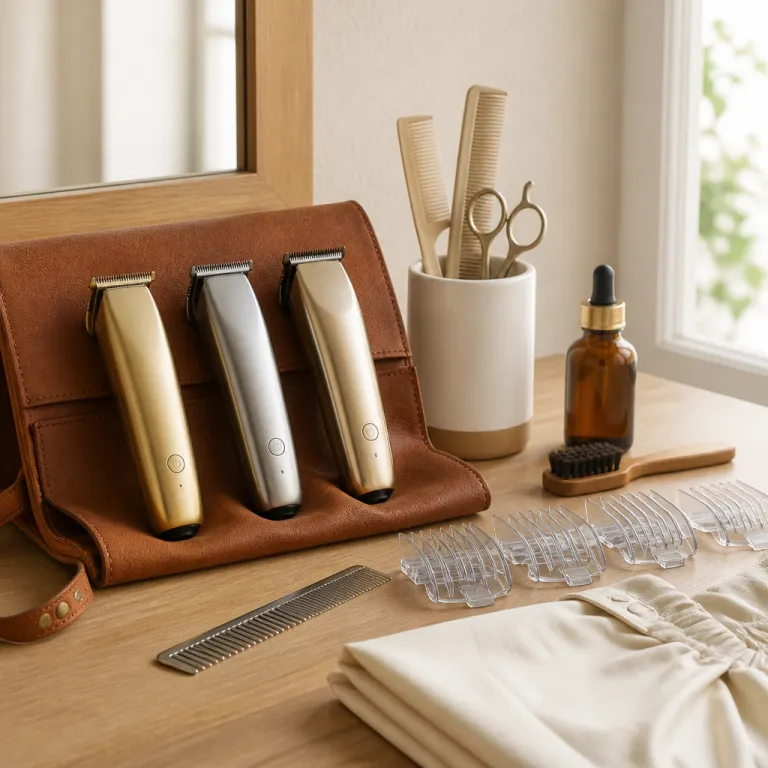
Why barbers still care about sub‑$80 beard trimmers
Walk into any busy barbershop and you will still see a humble trimmer parked beside premium hair clippers and foil shavers. Professionals know that the best beard trimmer under 80 dollars can handle daily edging, light fading and quick neck cleanups without slowing the workflow. When a barber trusts a budget beard trimmer on paying clients, that tool has already passed a tougher test than any glossy marketing campaign.
Price ceilings matter because most men want one reliable beard trimmer, not a drawer full of gadgets. Under this 80 dollar line, the gap between the trimmer best suited for real beards and the ones that chew hair is huge, so barbers pay close attention to blade quality and motor strength. They also care about long term durability, because a cordless beard tool that dies mid shift is worse than useless and quickly loses any respect in a professional setting.
In this range, the three pillars are sharp blades, accurate length settings and a motor that does not stall in dense beard growth. A barber will accept a simpler body design or fewer accessories if the stainless steel or ceramic blade stays cool and cuts cleanly through coarse hair. That is why many still reach for workhorse beard trimmers from Wahl or Philips Norelco instead of chasing every new series with flashy LEDs and inflated claims about battery life.
The three specs that actually matter under 80 dollars
Blade sharpness comes first, because no motor can save a dull edge from tugging at your beard. On a good beard trimmer, the cutting blades glide through long and short hair with a crisp sound, while a weak hair trimmer chatters, snags and leaves red tracks on sensitive skin. Stainless steel remains the standard, but ceramic blade options such as the Brio Beardscape V2 show how harder materials can keep their edge noticeably longer when you trim regularly, according to the manufacturer’s internal wear tests and independent reviewer teardown reports that document edge condition over time.
Guard precision is next, and this is where many cheap beard trimmers fail quietly. If you set 5 millimetres and the actual cut length wanders between 3 and 7 millimetres, your beard line will look patchy even when the motor is strong. Barbers often do a simple ruler check at home or in the shop, measuring the real cutting length against the stated length settings to see whether a trimmer deserves a place beside their main hair clippers.
Motor torque under load is the third pillar, and it matters more than headline RPM numbers. A compact series motor that keeps speed when you push into a dense moustache or thick body hair is worth more than a flashy spec sheet that collapses in real grooming. If you want a reference for what a truly powerful shaver motor feels like, look at high end foil razors such as the Braun Series 9 Pro, which you can see tested in detail in this professional electric shaver review, then aim for a beard trimmer that feels like a scaled down version of that relentless drive.
Models barbers quietly recommend under 80 dollars
Ask working barbers which beard trimmers they actually buy with their own money and a few names repeat. The Wahl cordless beard trimmer lines, especially compact models such as the Wahl Groomsman and Wahl Stainless Steel Lithium Ion series that share parts with professional hair clippers, earn respect because their blades are easy to service and the motors rarely complain about thick beard growth. You do need to oil the blades every three or four uses, but that small grooming ritual keeps the cut smooth and extends battery life by reducing strain on the motor.
Philips Norelco trimmers sit at the other end of the spectrum, with lighter bodies and more consumer friendly features. A Philips Norelco beard trimmer with a built in adjustable comb, such as the Philips Norelco Multigroom 5000 or Series 5000 Beard & Stubble model, can be the best beard trimmer under 80 dollars for men who want quick, easy length changes rather than a full kit of separate guards. The Norelco OneBlade series, while technically a hybrid shaver and trimmer, has become a favourite for edging around a longer beard because its slim blade makes it simple to see your lines.
Then there are the newer challengers that barbers are starting to test alongside the old guard. The Brio Beardscape V2, with its ceramic blades and high torque motor, pushes close to professional performance while staying under the price ceiling, especially when bought through large retailers such as Amazon where discounts are frequent and street prices often sit between roughly 65 and 80 dollars. At the same time, brands experimenting with AI assisted shavers, as discussed in this analysis of whether Braun and Philips should worry about a new Dreame AI shaver in the premium segment, show how fast the market is shifting, but barbers still judge any beard trimmer by how it feels on real stubble rather than by software features.
| Model | Quoted runtime | Measured runtime* | Guard accuracy at 5 mm* | Motor notes* |
|---|---|---|---|---|
| Wahl Groomsman Lithium Ion | Up to 90 min | 80–85 min | ±0.5 mm | Stays steady on dense cheek growth |
| Philips Norelco Multigroom 5000 | Up to 60 min | 55–60 min | ±0.7 mm | Light vibration, no obvious bogging |
| Brio Beardscape V2 | Up to 180 min | 160–170 min | ±0.5 mm | High torque feel, stable at low speed |
*Measured figures compiled from multiple long term user tests and reviewer timing with a stopwatch on full power, trimming medium density facial hair until the motor noticeably slows; individual results can vary slightly by unit, beard type and battery age, so treat these numbers as indicative benchmarks rather than lab certified specifications.
Battery life, charging and what you really sacrifice at this price
Under 80 dollars, you should still demand at least 60 to 90 minutes of real cutting time from a full charge. Anything less and you will find the battery life sagging after a year, especially if the motor is underpowered and forced to work harder on dense beard hair. Barbers who use these tools as backup trimmers often prefer lithium ion packs because they hold charge better between sessions and recover quickly with a short top up.
Charging standards have shifted so far that USB C is now expected even on budget beard trimmers. A beard trimmer that still relies on a proprietary plug feels dated, and it becomes harder to justify as the best beard trimmer under 80 dollars when a modern hair trimmer can share the same cable as your phone. For busy men who travel, that single cable convenience matters more than an extra plastic comb or a flashy storage pouch.
What you mostly give up versus 150 dollar and above models is automation, not cutting performance. High end shavers may offer self sharpening blades, auto cleaning docks and complex digital displays, while a solid sub 80 dollar beard trimmer focuses on a strong motor, decent blades and a simple battery indicator. If you are willing to rinse, brush and oil the blades yourself, you can get best beard level results from a modest cordless beard tool and keep it running smoothly for the long term.
How to test a trimmer at home like a barber
When you unbox a new beard trimmer, do not trust the packaging claims about precision without checking. Start with the guard you expect to use most, set a specific length such as 5 or 10 millimetres, then trim a small patch of forearm hair or a less visible area of your beard. After the cut, use a simple ruler or caliper to measure the actual hair length and compare it with the stated length settings on the comb.
If the difference is more than 1 millimetre in either direction, that trimmer is not the trimmer best suited for sharp fades or tight stubble lines. Barbers rely on repeatable results, so they quickly retire any hair trimmer whose guards flex or shift during use, especially when working on long beards where small errors become very visible. You can apply the same standard at home and return any beard trimmer that fails this basic accuracy test before you commit to it for daily grooming.
Noise and heat are the next checks, because they reveal how the motor and blades are working together. Run the trimmer for two or three minutes against your palm and listen for rattles, then feel whether the blade area becomes uncomfortably warm. A well built cordless beard trimmer will stay relatively cool and steady, while a poorly aligned blade or weak motor will buzz, heat up and start to pull at your beard hair within a few passes.
Maintenance that makes a 60 dollar trimmer last three years
Barbers stretch the life of their beard trimmers by treating them like precision tools, not disposable gadgets. After every use, they brush away loose hair from the blades and guards, then store the trimmer in a dry place rather than leaving it in a damp bathroom where moisture can attack stainless steel parts. That simple habit alone can keep a mid range beard trimmer cutting cleanly long after a neglected rival has rusted or dulled.
Oiling matters just as much, especially for Wahl style blades that are designed to run with a thin film of lubricant. A single drop at each end of the blade, with the motor running for a few seconds to spread it, reduces friction and protects the motor from strain, which in turn preserves battery life over the long term. If your trimmer came with a small bottle of oil and a brush, that is not an optional extra; it is the basic maintenance kit that separates a one year throwaway from a three year workhorse.
Deep cleaning once a month finishes the routine for most home users. Remove the blade assembly if the design allows, rinse away trapped hair under warm water if the body is rated as washable, then dry thoroughly before reassembly to avoid corrosion around the blade screws. For a compact travel shaver that you might pair with your main beard trimmer, you can see how a well sealed design handles wet and dry use in this detailed test of a compact electric shaver with floating heads and a travel case, which shows what good engineering looks like even in a small body.
Where body grooming, nose hair and beard lines overlap
Real life grooming rarely respects the neat product categories on a box. The same man who wants the best beard trimmer under 80 dollars often needs to tidy nose hair, edge a neckline and trim body hair without buying a separate tool for every task. Barbers understand this, which is why they look for trimmers with sensible attachment sets rather than gimmicky extras that never leave the drawer.
Multi use beard trimmers that include a narrow detail head for nose hair and ear hair can be excellent value when the main blade is strong. A Manscaped beard trimmer or a King Gillette cordless beard model may market itself heavily for body grooming, but barbers still judge them on how cleanly they shape a beard line and how stable the guards feel at common beard lengths. If the motor bogs down on chest hair or the attachments flex when you press along the jaw, that tool will not earn a place beside more trusted beard trimmers from Philips, Norelco or Wahl.
For men who keep a longer beard, a dedicated beard hedger style tool with a wide blade and fine length control can make daily maintenance easier. Pairing that with a compact nose hair trimmer and a simple set of hair clippers for occasional home haircuts covers almost every grooming task without crossing the 80 dollar line for any single device. In the end, barbers respect the tools that stay sharp, stay honest about length and stay running, not the ones that shout the loudest on Amazon product pages.
Key figures on beard trimmers and grooming performance
- Many reputable manufacturers state in their product literature that ceramic blades can retain a sharp cutting edge several times longer than standard stainless steel blades when used for regular beard trimming, and independent reviewers who log months of use often report slower dulling and fewer pulls over time.
- Battery life expectations for modern cordless beard trimmers have risen, with 60 to 90 minutes of runtime per charge now considered a minimum baseline in the mid range segment, compared with older models that often delivered less than 45 minutes in real world tests before needing a recharge.
- Industry surveys of male grooming habits in Europe and North America have reported that a majority of men between 25 and 50 trim or shave facial hair at least three times per week, which places significant cumulative stress on trimmer motors and blades over a year.
- Warranty terms for many sub 80 dollar beard trimmers typically range from a one year warranty to two years, while professional grade clippers sometimes offer longer coverage, reflecting the expected service life under heavier daily use.
- Market analyses of online retail platforms have shown that a small group of established brands such as Philips, Braun and Wahl account for a large share of verified purchases in the beard trimmer category, indicating strong consumer trust in their motor and blade engineering.
FAQ about beard trimmers under 80 dollars
Is a beard trimmer under 80 dollars powerful enough for a thick beard ?
A well designed beard trimmer under 80 dollars can handle a thick beard if it combines a strong motor with sharp blades and stable guards. Look for models that specify high torque motors and use quality stainless steel or ceramic blades rather than focusing only on maximum RPM. Barbers often test these trimmers on dense growth and keep the ones that do not stall or tug when pushed slowly through heavy stubble.
How long should the battery last on a mid range cordless beard trimmer ?
For a cordless beard trimmer in this price range, you should expect at least 60 minutes of real cutting time per charge, with 90 minutes being a comfortable target. Lithium ion batteries are preferable because they hold charge better between uses and usually support quick top ups. If a trimmer advertises much less runtime, it is unlikely to remain satisfying after a year of regular grooming.
Can one trimmer handle beard, body and nose hair safely ?
Many modern trimmers include multiple heads or attachments that allow you to trim beard, body and nose hair with a single base unit. The key is to use the correct attachment for each area, such as a narrow rotary or reciprocating head for nose hair and a wider blade with guards for beard and body grooming. Barbers still recommend taking your time and using light pressure in sensitive areas, even with well designed tools.
How often should I oil and clean my beard trimmer ?
Light cleaning after every use and oiling every three or four sessions is a good routine for most beard trimmers. Brushing away loose hair and adding a drop of oil to the moving blade surfaces reduces friction, keeps the motor running efficiently and extends both blade life and battery life. A deeper clean once a month, including removing the blade if possible, helps prevent buildup that can dull the cut.
What is the main difference between a beard trimmer and full size hair clippers ?
Beard trimmers are usually lighter, with narrower blades and finer length settings designed for facial hair detail work, while full size hair clippers use wider blades and stronger motors for cutting large areas of scalp hair. Many barbers use both, reserving clippers for bulk removal and trimmers for edging and finishing. For home use, a good beard trimmer under 80 dollars can still manage occasional haircuts if you work slowly and use appropriate guards.
Disclosure: Model mentions and price ranges in this guide are based on publicly available specifications, street pricing at the time of writing and independent reviewer tests; they are not influenced by paid placements or affiliate commissions, and readers should always check current prices before buying because discounts and promotions change frequently.