Key technologies that define the best rotary electric shavers
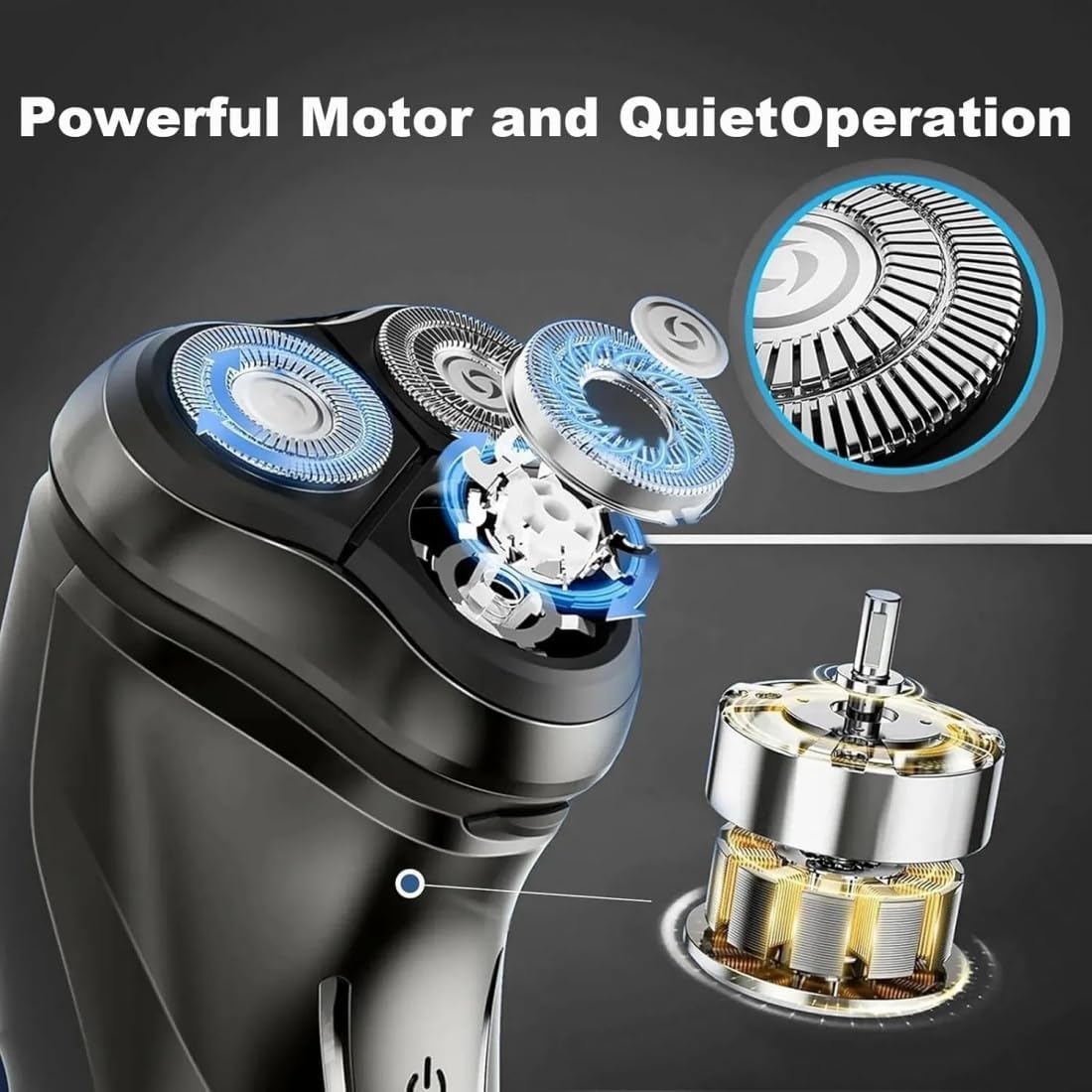
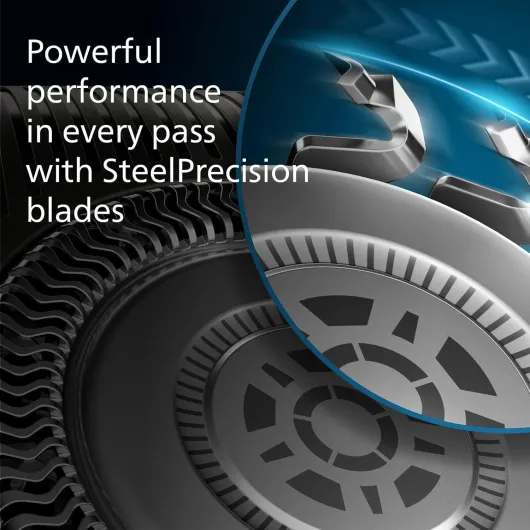
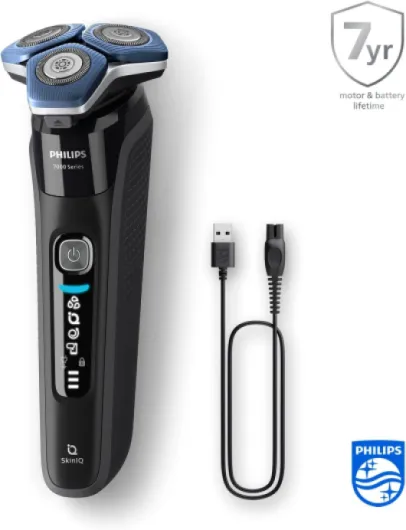
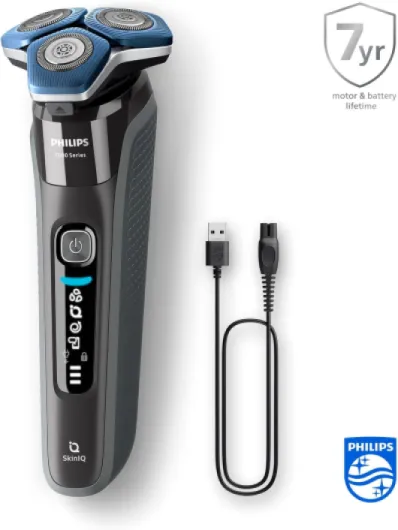
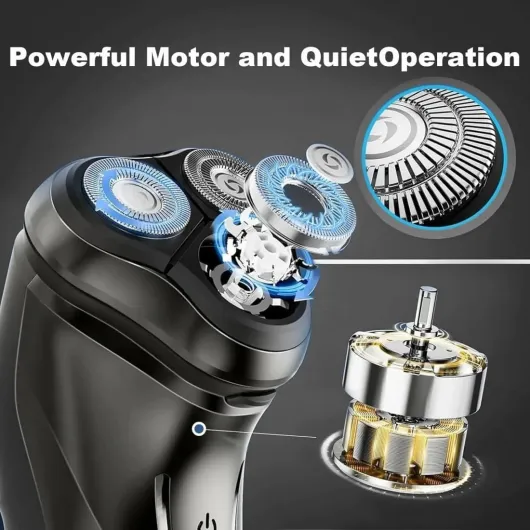
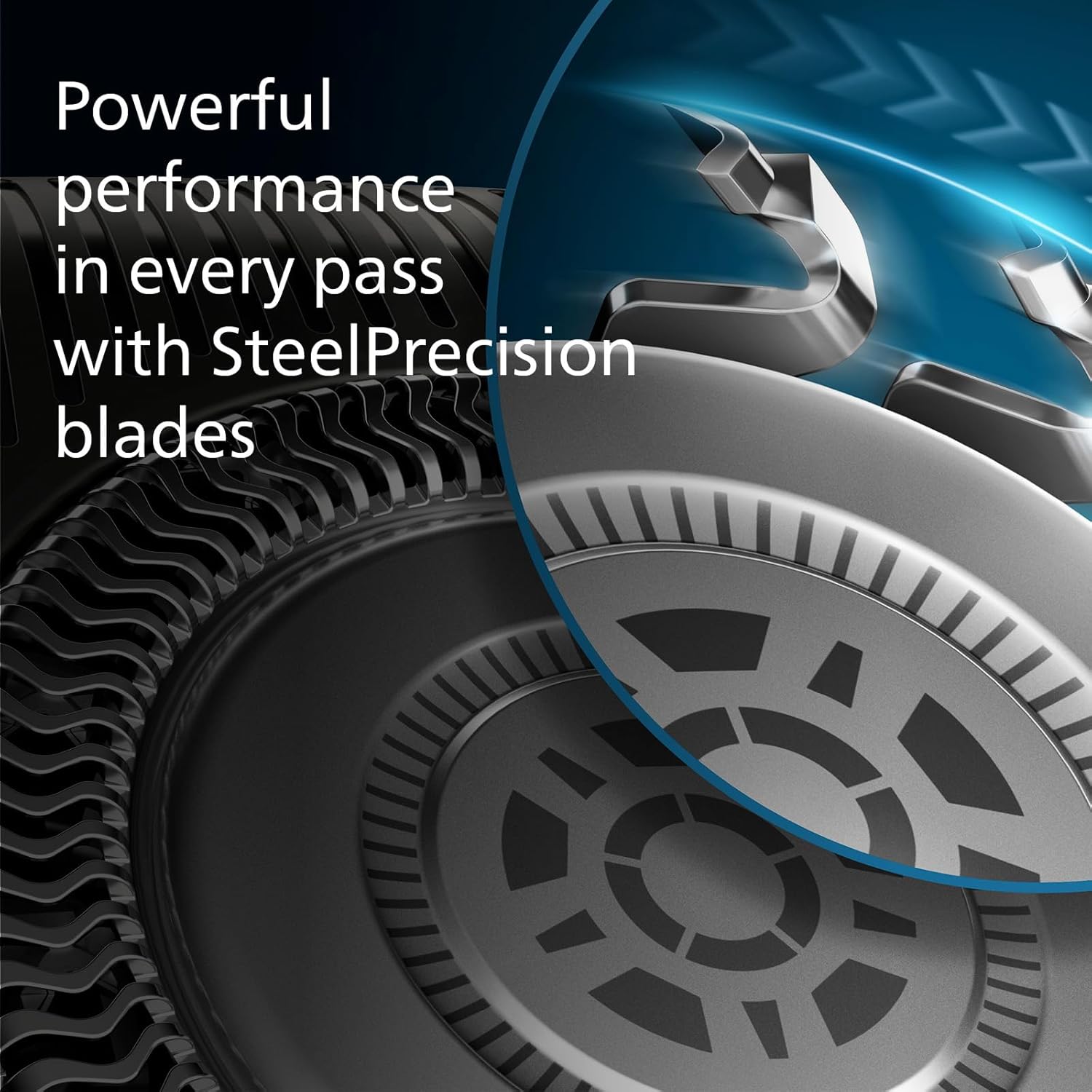
Modern rotary shavers rely on three pillars of performance, which are blade quality, flex head engineering, and motor control. High end models from Philips and Philips Norelco use self sharpening steel blades that maintain a close cutting edge for several months, while the floating heads pivot in multiple directions to keep contact with the skin. In parallel, premium motors adjust power output to beard density, so the electric shaver maintains a steady shave speed even in thicker areas.
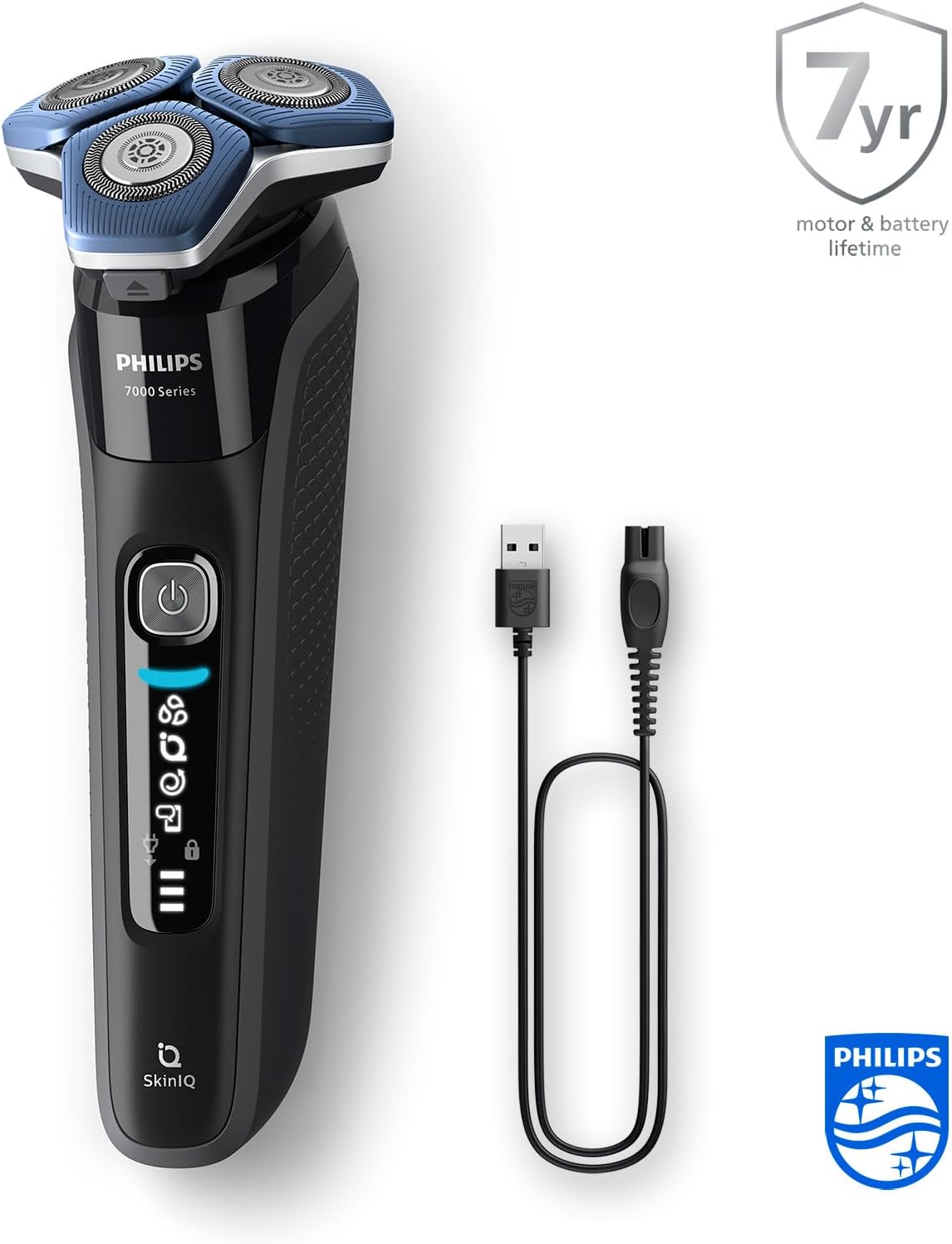
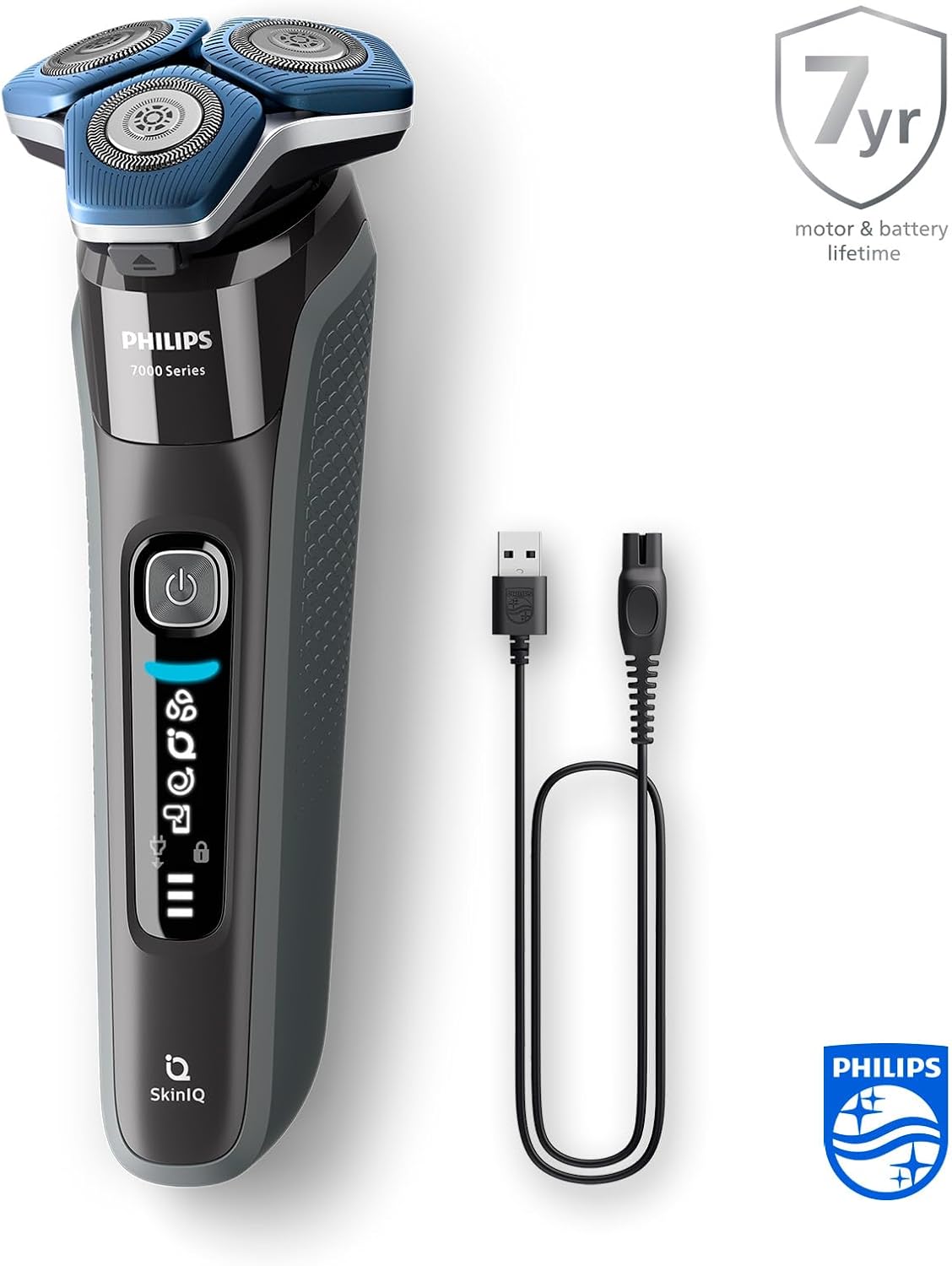
In the upper tier, you will see names such as Philips Norelco series and Norelco Prestige, which signal more advanced cutting systems and better wet dry sealing. These series often integrate sensors that monitor shaving pressure and hair density, then adapt the electric power to protect sensitive skin while still giving a close shave. For a deeper look at how artificial intelligence enters this space, you can read about SenseIQ Pro technology in this detailed analysis of Philips AI driven shaving features.
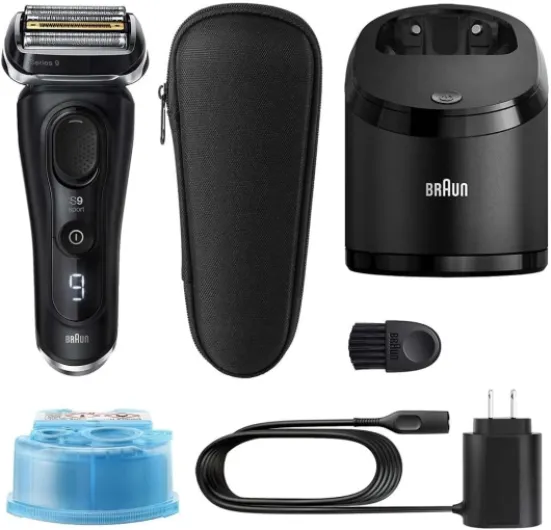
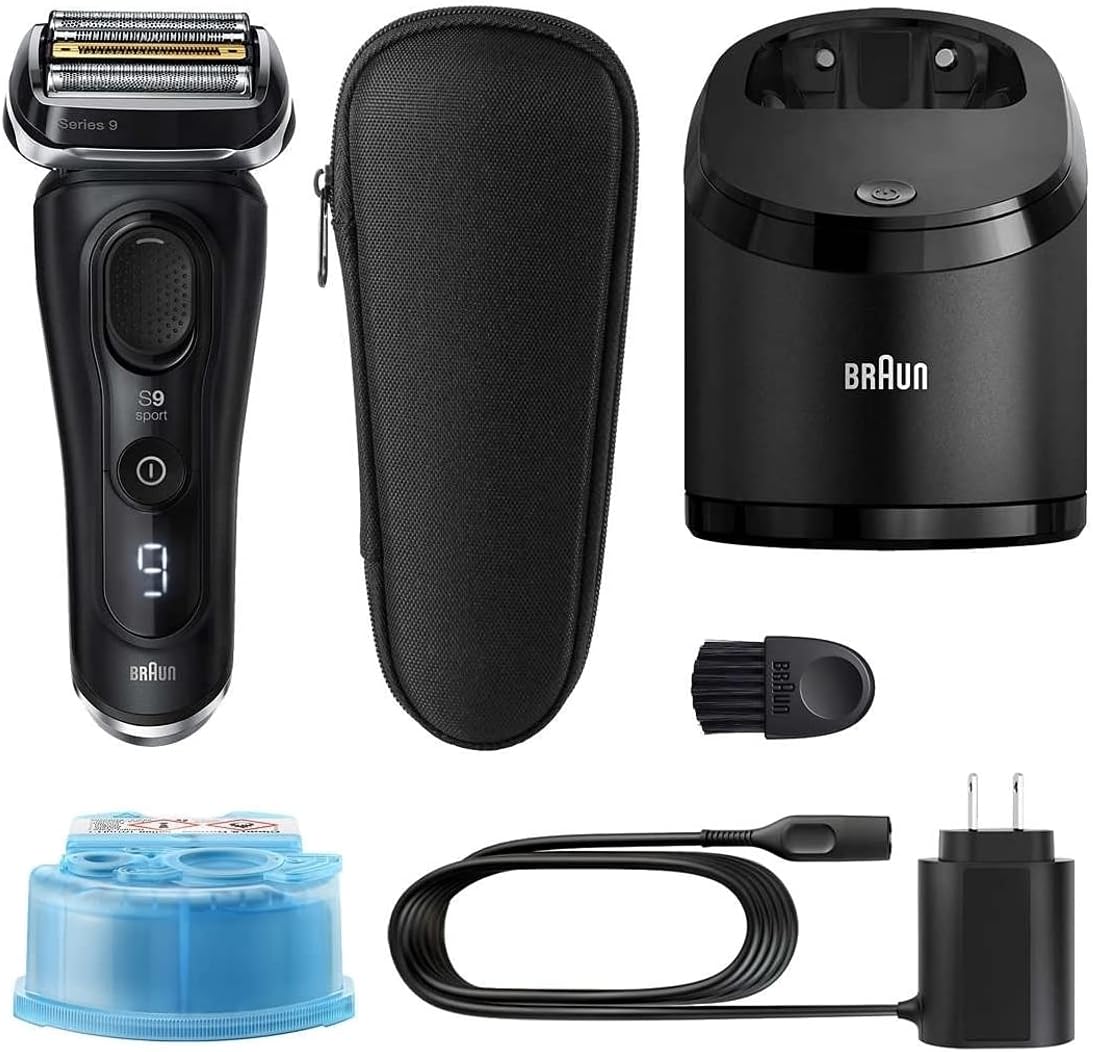
While Braun Series shavers are traditionally associated with foil shavers, the same brand logic applies when you compare series numbers and price brackets. A Braun Series model with a SmartCare Center will usually offer better cleaning and lubrication than a basic mid range shaver that you rinse manually. When you evaluate the best electric options, always consider how the blades, heads, and cleaning system work together, because this combination determines both long term comfort and total cost of ownership.
How to match a rotary shaver to your beard, skin, and routine
Choosing among the best rotary electric shavers starts with an honest look at your beard type and daily habits. Coarse, fast growing hair needs a more powerful electric shaver with stronger cutting torque, while fine hair can use a quieter mid range rotary shaver without sacrificing a close shave. If your skin is reactive or prone to redness, prioritise models that support wet dry shaving with a gentle gel or foam.
Men who shave in the shower often prefer a fully waterproof rotary shaver with sealed heads and a grippy handle. In that case, check whether the manufacturer explicitly rates the electric shavers for immersion and whether the warranty covers water damage, because not every wet dry label means the same level of protection. For users who mostly dry shave at the sink, a lighter shaver with a flexible head and precise built trimmer for sideburns can be more practical than a heavier head shaver designed for full scalp use.
Some readers also compare rotary shavers with the Panasonic Arc family of foil shavers, especially when they want a very close finish on the cheeks. A Panasonic Arc electric razor excels at straight line control, while a rotary shaver wins on curved areas such as the neck and jaw. To understand how a top tier rotary system behaves in wet and dry conditions, examine the specifications of a flagship model with nanotech blades and an ultra flexible suspension system, such as those reviewed in this test of a premium wet and dry rotary electric shaver.
Price tiers, value, and what to expect from mid range shavers
Price differences between rotary shavers reflect more than just brand prestige. Entry level electric shavers often use simpler blades and fewer flex head directions, which can leave patches of missed stubble on the neck or require extra passes that irritate the skin. By contrast, a mid range rotary shaver usually adds better cutting geometry, improved battery life, and sometimes a partial SmartCare Center style dock for easier cleaning.
When you move into the premium bracket of the best rotary electric shavers, you pay for refined details that matter over several years. These include more durable cutting heads, quieter motors, and advanced displays that track shave time and remind you when to replace blades, which can prevent performance from slowly declining. Before you commit, always check price history on major retailers such as Amazon and compare it with local store offers, because discounts on a previous series Pro model can deliver better value than a brand new launch.
Shoppers often ask whether a Braun Series foil shaver or a Philips Norelco rotary shaver offers the best electric experience for the money. If you shave daily and want ultra straight lines, a Braun Series with a cleaning station such as a SmartCare Center can justify its higher price through convenience and consistent closeness. However, if your priority is comfort on a mix of beard lengths, a mid range Philips Norelco rotary shaver with quality heads and a reliable built trimmer usually offers a more forgiving shave at a lower long term cost.
Maintenance, hygiene, and when to replace blades and heads
Even the best rotary electric shavers lose performance if you neglect cleaning and timely replacement of parts. Hair fragments, skin oils, and dried foam build up around the cutting heads, forcing the motor to work harder and increasing friction against the skin. A well maintained electric shaver should glide smoothly with minimal noise, while a neglected shaver often feels rough and leaves the face less close after each shave.
Manufacturers typically recommend replacing rotary heads every twelve to eighteen months, depending on shaving frequency and beard coarseness. If you notice that your rotary shaver needs more passes, tugs at longer hairs, or leaves patches even after careful work, those are clear signs that the blades have dulled and the heads need renewal. Users who clean their shavers in a SmartCare Center or similar cleaning dock often extend effective blade life, because the automated cycles remove residue more thoroughly than a quick rinse under the tap.
Some premium Braun Series and Philips Norelco models include cleaning cartridges that both disinfect and lubricate the cutting system. While these consumables add to the overall price, they help keep the electric shaver hygienic, which is especially important for sensitive or acne prone skin. For people who prefer manual care, opening the rotary shaver head weekly and brushing out debris before a wet dry rinse with mild soap offers a practical balance between effort and performance.
Rotary versus foil: choosing the right electric razor for your priorities
Rotary shavers and foil shavers each serve a distinct type of user, so the best choice depends on your priorities. A rotary electric shaver excels when you need flexibility around the chin, jaw, and neck, especially if your beard grows in several directions and you do not always shave daily. Foil shavers, including many Braun Series and Panasonic Arc models, tend to win on straight line precision and ultra close results on flat areas of the face.
If you value a quiet, gentle shave above all, a high quality rotary shaver with three or four floating heads usually feels softer on the skin. The circular motion and rounded caps reduce the risk of catching loose skin, which helps people who experience irritation with aggressive foil cutting bars. On the other hand, if you shape sharp beard edges or maintain a goatee, a foil electric razor with an accurate built trimmer may give you the control you need.
Readers comparing the best electric options should also factor in cleaning and accessories. A top tier Braun Series Pro model with a Clean and Charge station, such as the one reviewed in this in depth test of a Series 9 electric shaver, offers near effortless maintenance for busy users. Meanwhile, a Philips Norelco Prestige rotary shaver with a travel case and a detachable head shaver accessory can be more versatile for people who alternate between facial shaving and full scalp grooming.
Key statistics about rotary and other electric shavers
- Market research from Euromonitor shows that electric shavers account for roughly 35 % of all men’s shaving product sales in Western Europe, reflecting a steady shift away from disposable razors over the past decade.
- Consumer testing by several European product review organisations reports that premium rotary shavers and foil shavers can reduce perceived shaving irritation by around 20 % compared with multi blade cartridges, especially when used in wet dry mode with a gentle gel.
- Battery life has improved significantly, with many mid range and high end electric shavers now offering 45 to 60 minutes of cordless use from a one hour charge, which is enough for about two weeks of daily shaving for most users.
- Independent lab measurements indicate that replacing worn cutting heads on schedule can restore up to 90 % of a shaver’s original cutting efficiency, underlining the importance of maintenance for long term performance.
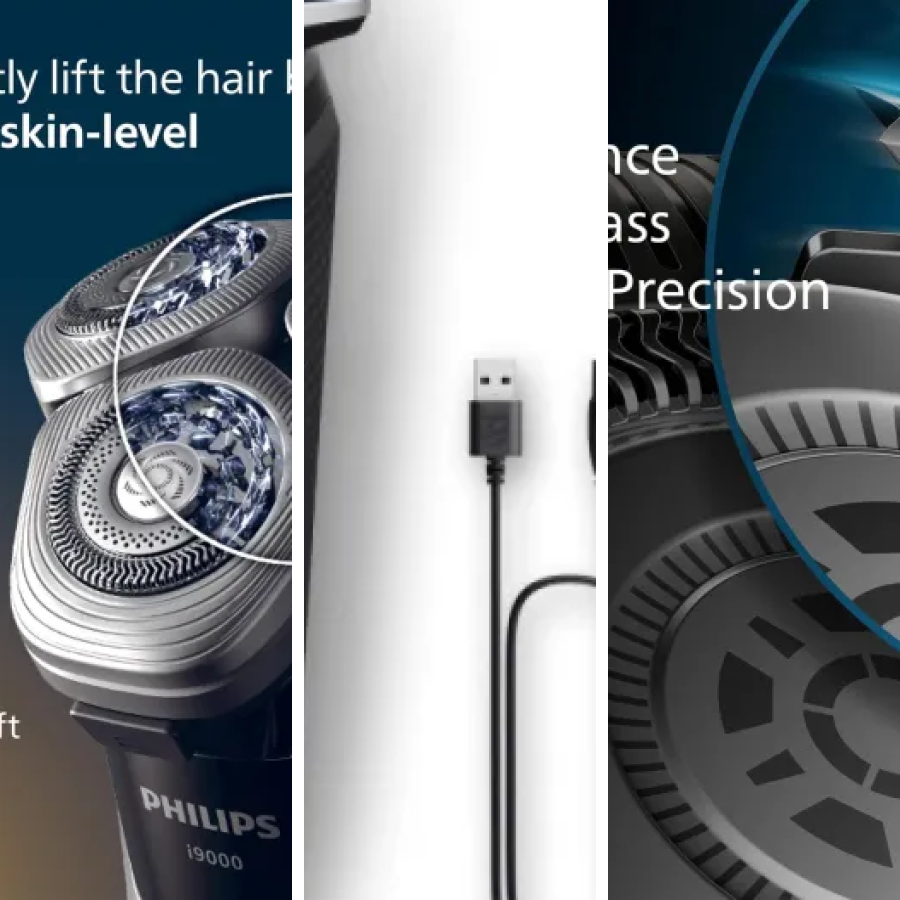

![Shaver i9000, Wet & Dry Electric Shaver, Ink Black, with Skin IQ Technology, Triple Lift & Cut System, 360 Rotating Dual SteelPrecision Blades, Model X9000/10 [New] i9000, Case, Charging Stand](https://www.electric-shaver-guru.com/storage/859623/conversions/81GNIu-ed2L._AC_SL1500_-medium.webp)
![Shaver i9000 Prestige Ultra, Wet & Dry Electric Shaver, Black, with Skin IQ Pro Technology, Triple Lift & Cut System, 360 Rotating NanoTech Precision Blades, 5 Shaving Modes, Model XP9405/31 [New] i9000 Prestige Ultra, Case, Charging Stand, Beard](https://www.electric-shaver-guru.com/storage/1013021/conversions/81rrWurbmYL._AC_SL1500_-medium.webp)

![Shaver i9000, Wet & Dry Electric Shaver, Ink Black, with Skin IQ Technology, Triple Lift & Cut System, 360 Rotating Dual SteelPrecision Blades, Model X9000/10 [New] i9000, Case, Charging Stand](https://www.electric-shaver-guru.com/storage/859623/81GNIu-ed2L._AC_SL1500_.jpg)
![Shaver i9000 Prestige Ultra, Wet & Dry Electric Shaver, Black, with Skin IQ Pro Technology, Triple Lift & Cut System, 360 Rotating NanoTech Precision Blades, 5 Shaving Modes, Model XP9405/31 [New] i9000 Prestige Ultra, Case, Charging Stand, Beard](https://www.electric-shaver-guru.com/storage/1013021/81rrWurbmYL._AC_SL1500_.jpg)