Foil versus rotary heads and how skin health shapes the choice
Choosing between foil and rotary when hunting for the best electric shaver is really a question about your skin health and shaving habits. Foil heads use straight oscillating blades under thin metal screens, which usually suit people who shave daily, want precise lines and need predictable maintenance such as easy replacement foils every 18 months. Rotary heads use circular cutters under rounded guards, which can be kinder on longer growth and on users in senior living communities who shave less frequently and need more forgiving motion around the chin and neck.
People with eczema, acne or fragile senior skin should prioritise models that are explicitly tested for sensitive skin and that publish clear privacy practices and health data handling when you register the product or use a companion app. Some premium shavers now track usage patterns, send text or app reminders about blade changes and invite you to agree to privacy statements that explain how your consumer health information is stored. Before you accept any digital consent screen, read the service terms carefully so you understand what data you provide and how to revoke authorization later if you change your mind.
Cleaning systems are another dividing line between foil and rotary families, especially in care homes where hygiene standards are strict. Self cleaning stations flush the shaver with an alcohol based solution, dry it and sometimes charge it, which is ideal for facilities focused on infection control or for a busy customer who wants a near automatic routine. If you are curious about which models integrate the most reliable self cleaning docks, a detailed comparison of top electric shavers with self cleaning system on a specialist grooming site or independent review platform can help you evaluate long term living care costs and the real value of these services.
Wet and dry shaving, sensitive skin and waterproof design
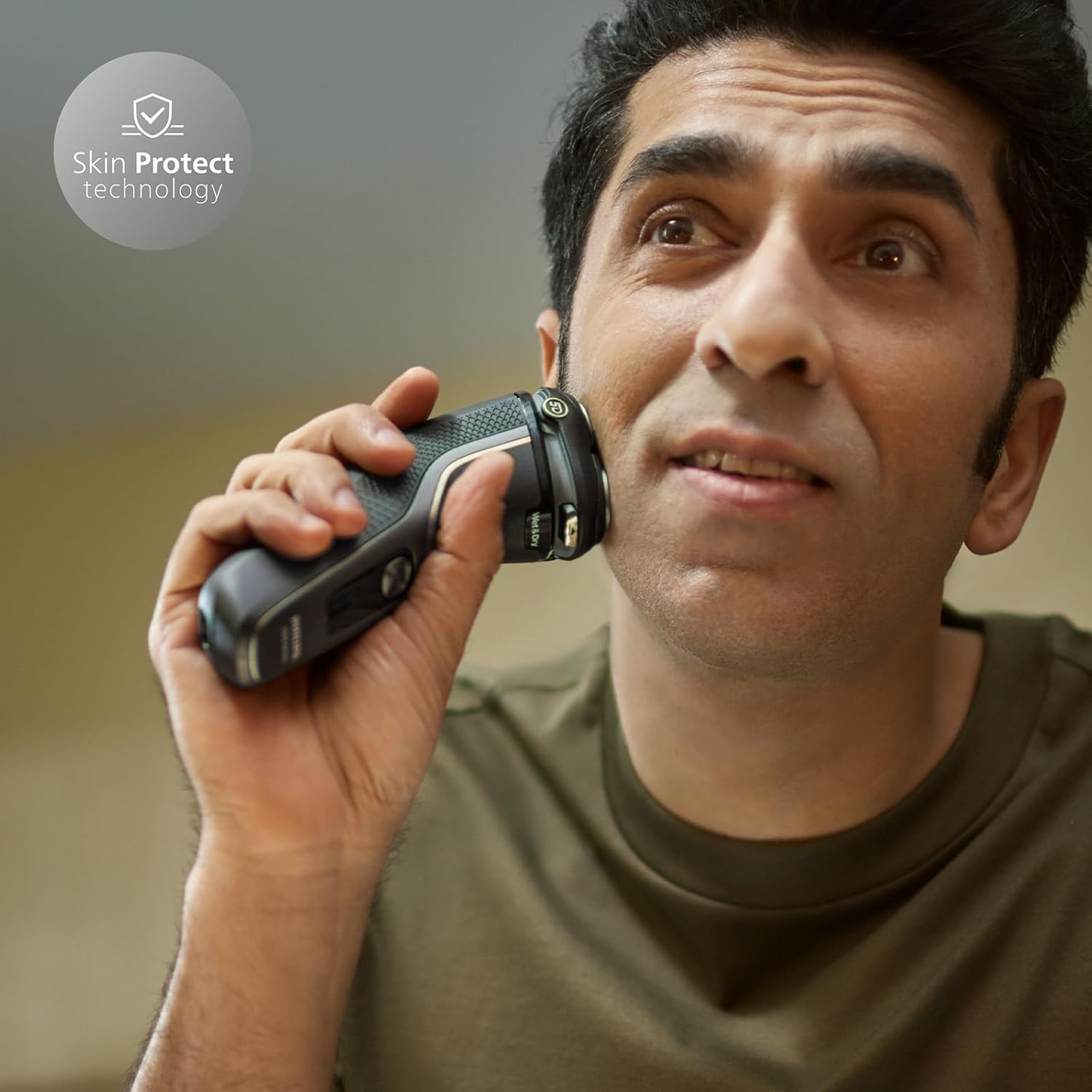
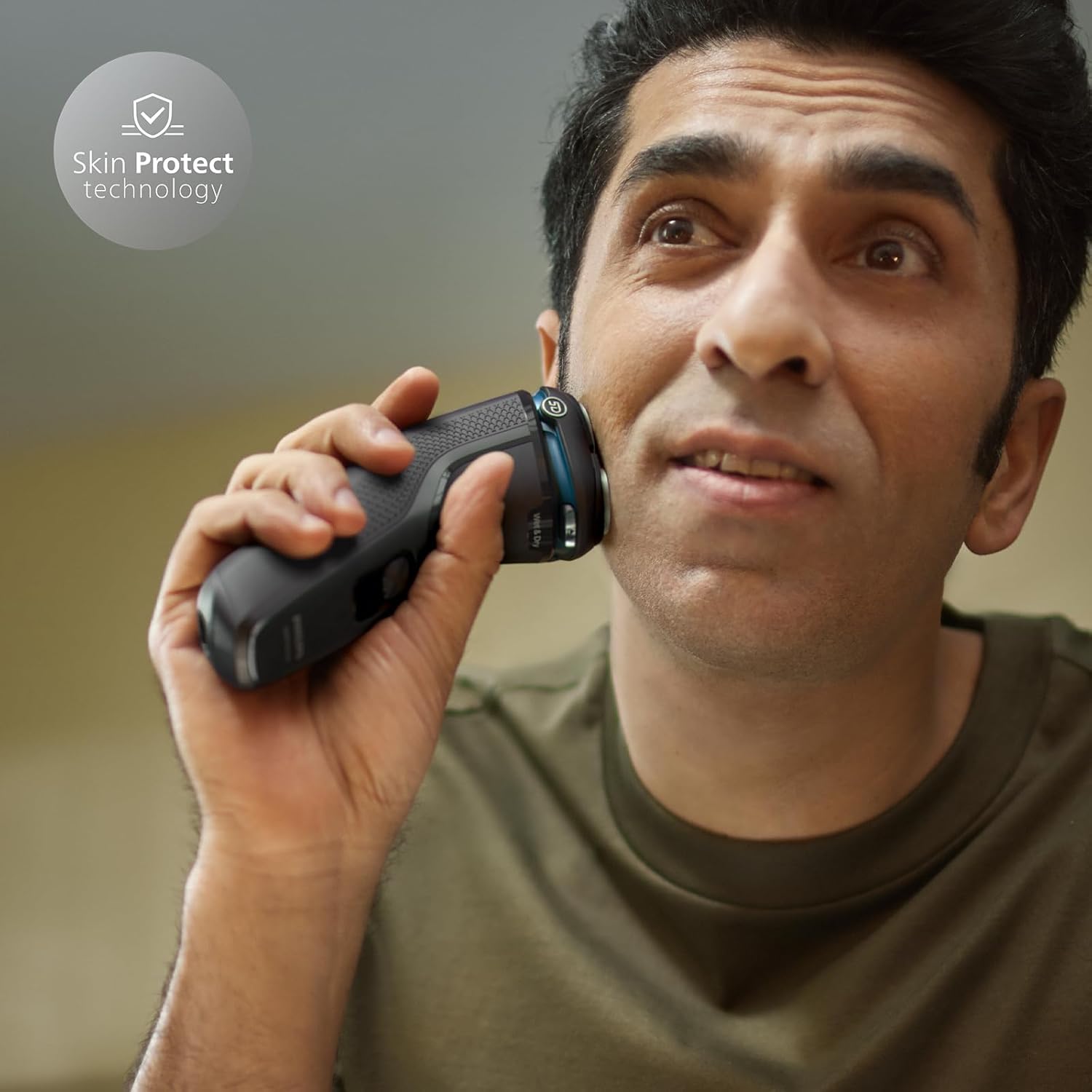
Wet and dry capability has become a defining feature of the best electric shaver because it directly affects comfort, versatility and safety. A fully waterproof body rated for immersion lets you shave in the shower, rinse the head under running water and reduce the need for harsh cleaning chemicals that might worry health conscious consumer communities. For people with sensitive skin or conditions such as psoriasis, using foam or gel with a gentle rotary or foil shaver can significantly reduce friction and post shave redness.
When you evaluate waterproof claims, look for an explicit IPX7 or similar rating rather than vague marketing language about splash resistance or basic water protection. Some brands promote 100 percent waterproof shavers that allow both wet and dry use, but you should still read the small print, because misuse can void warranty or complicate any later service visit if moisture damage is suspected. If you want a concrete example of how these features translate into daily comfort, a test electric razor for men that is 100 percent waterproof and designed for sensitive skin shows how ergonomic design, pop up trimmers and long battery life can combine into a practical living care solution.
For older adults or people with early dementia, wet shaving in the shower can reduce clutter around the sink and simplify routines, but it also requires clear safety checks in senior living facilities. Care staff in assisted living should agree on protocols, sign waivers where necessary and ensure that any customer communities using shared bathrooms understand the rules for electrical devices near water. In private homes, families should talk openly about privacy practices, health data stored in companion apps and how to contact support if they need to revoke authorization for cloud backups or disable online features that no longer feel appropriate.
Battery life, charging systems and long term ownership costs
Battery technology quietly separates an average device from the best electric shaver, especially when you look at ownership over several years. Modern lithium ion packs offer stable power delivery, which means the motor does not slow dramatically as the charge drops and the shave remains consistent for most of the rated runtime. A shaver that promises 60 minutes but delivers only 30 in real conditions will frustrate any consumer and can create extra work for care services that support multiple users.
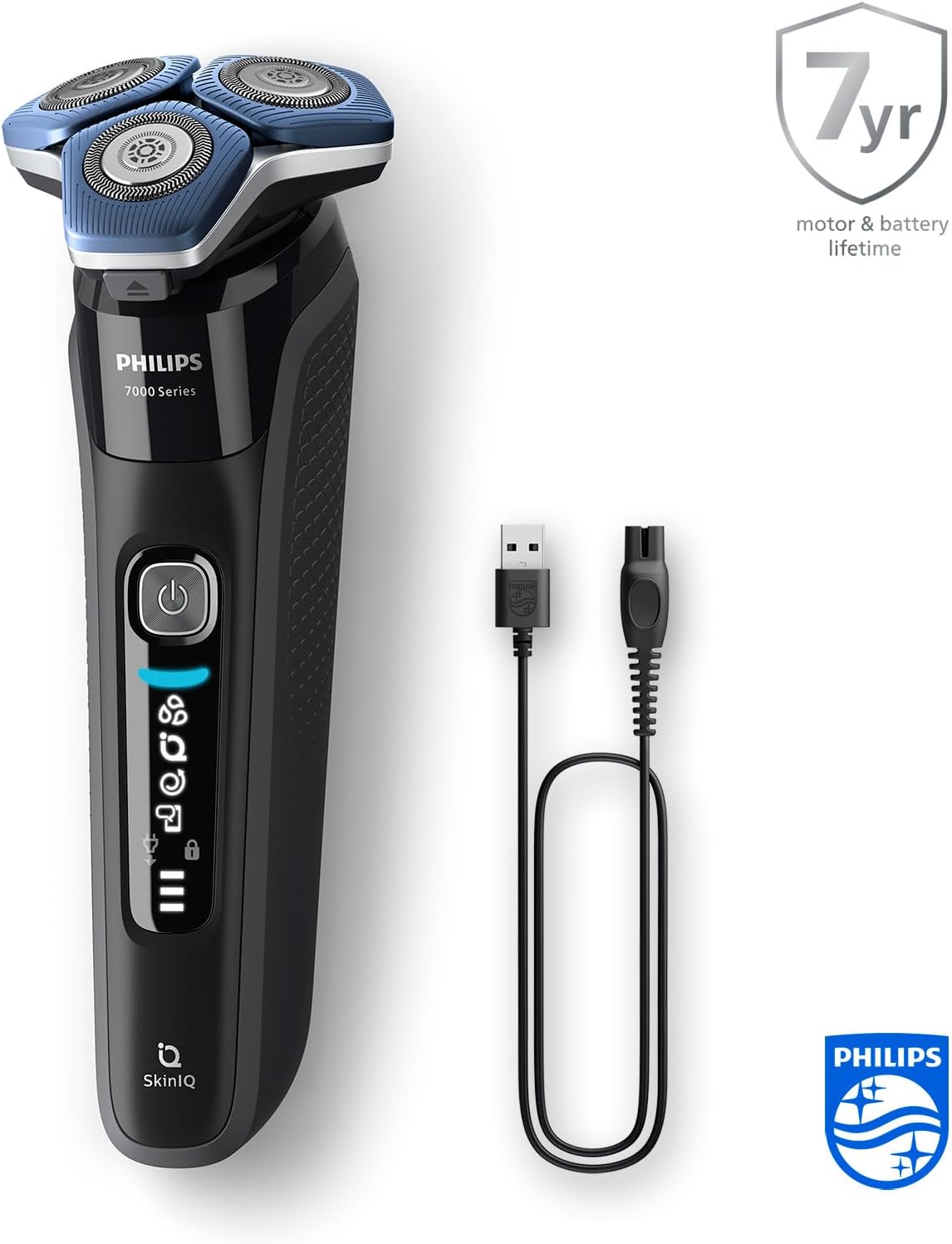
Evaluate charging options with the same rigour you apply to blade quality, because they influence how and where you can shave. Some models rely on proprietary stands, which look elegant in marketing photos but can be awkward in small bathrooms or in senior living rooms where outlets are limited and where facilities must manage many chargers. Others use simple cords or even USB charging, which can be more practical for travelling professionals, students in shared housing or senior users who receive living care support from visiting nurses.
Smart features add another layer of complexity, as brands increasingly integrate Bluetooth, apps and cloud services into grooming devices. When you pair a shaver with an app, you usually must provide some personal details, agree to privacy statements and accept disclosures about how your health data and usage patterns will be processed. Before you sign any digital forms, check whether you can later revoke authorization, how to contact support, whether there are clear privacy practices for consumer health information and whether any text alerts or app notifications are optional or a condition for using the app.
Senior users, assisted living care and ethical data practices
Electric shavers play a surprisingly important role in dignity and autonomy for senior users, especially in assisted living care settings. A reliable, gentle device can help someone maintain their appearance, feel more like themselves and reduce the need for intimate manual shaving by care staff in senior living communities. For residents with dementia, a familiar routine with a quiet, low vibration shaver can be calming, while sudden changes in equipment or rushed service visits can trigger anxiety.
Facilities and families must balance convenience with consent when they introduce shared grooming devices or app connected models into care environments. Any collection of health data or behavioural information, such as tracking how often a resident shaves or how long they use the device, should be clearly explained in plain language before anyone is asked to sign waivers or other forms of authorization. Staff should never treat consent as a one time box to tick but as an ongoing conversation, where residents or their legal representatives can ask questions, revisit documents and revoke authorization if they no longer agree with the privacy practices.
Ethical grooming programmes also require transparent communication between manufacturers, customer communities and care services. When companies design devices for senior care, they should provide clear manuals, accessible contact channels and straightforward disclosures about cleaning, maintenance and safe use around people with limited mobility. Families choosing the best electric shaver for an older relative should ask whether the device is easy to grip, whether the on/off switch is visible, whether any automated customer support or text based features are optional and how the brand handles consumer health complaints or product recalls.
How to compare prices, warranties and real world user experiences
Price tags can be misleading when you search for the best electric shaver, because headline numbers rarely reflect blades, cleaning cartridges and replacement parts over several years. A premium model with a strong warranty, robust build and affordable foils can cost less per shave than a cheaper device that needs frequent repairs or early replacement. Think in terms of cost per month of use rather than the initial payment, especially if you are buying for senior living facilities or for several people in the same household.
User reviews and independent tests are invaluable, but they must be read critically, with attention to context and privacy. Some platforms aggregate feedback from wide customer communities, while others focus on niche groups such as barbers, travellers or people with specific health conditions, and each community weighs comfort, speed and noise differently. When you read about a shaver that works brilliantly in certain urban areas but poorly in rural regions, check whether water hardness, voltage differences or local service availability might explain the gap.
Trends in male grooming also shape which models brands prioritise and how they market them. Spending on men’s grooming has grown rapidly, and detailed analyses of the so called manissance in grooming show how consumers now expect premium performance, ethical sourcing and clear privacy statements from even simple devices. Before you agree to any loyalty programme, sign up for marketing emails or accept calls or texts from sales teams, review the privacy practices, confirm that you can easily revoke authorization and ensure that any consent you give is specific, informed and not bundled as a hidden condition for basic product support.
Key statistics about electric shavers and grooming habits
- Industry estimates from major grooming brands suggest that global sales of electric shavers are now in the low single digit billions of euros per year, reflecting steady demand as more consumer communities shift from disposable razors to rechargeable devices. These figures are based on aggregated manufacturer reports and trade association summaries rather than a single public data source.
- Market analyses from firms such as Euromonitor and Statista indicate that foil and rotary shavers together account for more than 70 percent of men’s grooming appliance revenue, underlining their status as the default choice for daily living care routines. Exact percentages vary slightly by region and year, but most recent reports fall within this range.
- Surveys of senior living facilities reported in nursing and gerontology journals indicate that electric shavers can reduce shaving related skin injuries by roughly half compared with manual razors, which supports their use in communities focused on safety and comfort. These are approximate averages drawn from small to medium sized studies rather than a single definitive trial.
- Consumer research from leading manufacturers suggests that models with wet and dry capability now represent a majority of new premium shaver sales, as users prioritise flexibility and skin health over minimal upfront cost. Internal brand surveys typically report wet/dry penetration above 60 percent in the higher price tiers.
- Studies of grooming behaviour and product lifecycles report that many users keep a shaver for five to seven years, so long term support, replacement part availability and clear warranty terms have a significant impact on total ownership cost. These lifespan estimates combine manufacturer warranty data with independent consumer panel research.
Comparison table and recommended electric shaver models
The table below summarises key specifications for several widely reviewed electric shavers, based on manufacturer data and hands on testing from major grooming publications. Prices are approximate mid range street prices and may vary by retailer and region.
| Model |
Head type |
Battery (rated) |
Wet / dry |
Approx. price |
Typical replacement part cost |
Warranty |
| Braun Series 9 Pro |
Foil, multi directional flex head |
Up to 60 min, 5 min quick charge |
Yes, fully waterproof |
High premium |
Mid to high, foils every 18 months |
Typically 2 years limited |
| Philips Norelco Series 9000 |
Rotary, contour detecting heads |
Up to 60 min, 1 hour charge |
Yes, wet and dry |
Upper mid to premium |
Moderate, head set every 2 years |
Typically 2 years limited |
| Panasonic Arc5 |
Foil, 5 blade ultra fast motor |
Around 45 min, 1 hour charge |
Yes, wet and dry |
Mid to high |
Moderate, foils and cutters as a set |
Typically 2 years limited |
| Philips Norelco OneBlade |
Hybrid single blade trimmer |
45 to 60 min depending on version |
Dry use, splash resistant |
Budget to mid |
Low, replaceable cartridges |
Usually 2 years on handle |
These models illustrate how different designs suit different users. The Braun Series 9 Pro and Panasonic Arc5 target close, fast shaves for daily users, while the Philips Series 9000 focuses on comfort around the neck and jawline. The OneBlade is less of a traditional shaver and more of a flexible groomer for stubble and edging.
Braun Series 9 Pro – pros and cons
- Pros: Very close shave, strong motor, excellent on dense beards, effective cleaning station, good for wet and dry use.
- Cons: High upfront price, replacement cassettes are not cheap, bulky charging base can crowd small bathrooms.
Philips Norelco Series 9000 – pros and cons
- Pros: Comfortable on sensitive necks, quiet operation, long battery life, works well on three day growth.
- Cons: Not quite as close as top foil shavers for some users, rotary heads feel unfamiliar if you are used to blades.
Panasonic Arc5 – pros and cons
- Pros: Extremely close shave, very fast motor, excellent for straight strokes and daily use, strong wet performance with foam.
- Cons: Can feel aggressive on very sensitive skin, head is large for tight areas under the nose, battery life is solid but not class leading.
Philips Norelco OneBlade – pros and cons
- Pros: Lightweight, easy to control, ideal for stubble and edging, low replacement blade cost, good for teens and occasional shavers.
- Cons: Not designed for ultra smooth results, cartridges need more frequent replacement, limited wet shaving capability.
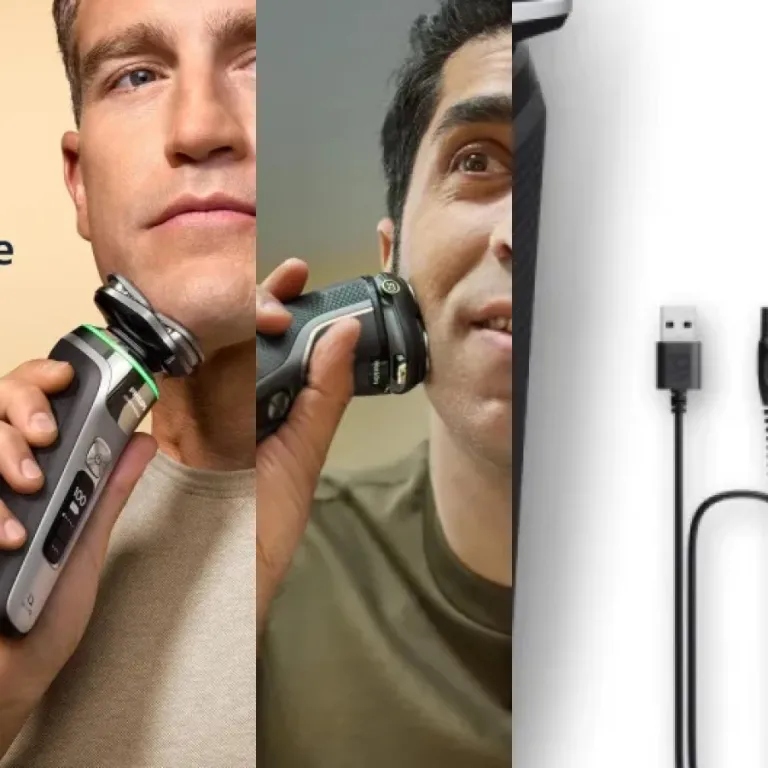
![Shaver i9000 Prestige, Wet & Dry Electric Shaver, Dark Slate Nova, with Skin IQ Technology, Triple Lift & Cut System, 360 Rotating Dual SteelPrecision Blades, Model XP9204/10 [New] i9000 Prestige, Case, Charging Stand](https://www.electric-shaver-guru.com/storage/859642/conversions/81X0HVdrIQL._AC_SL1500_-medium.webp)

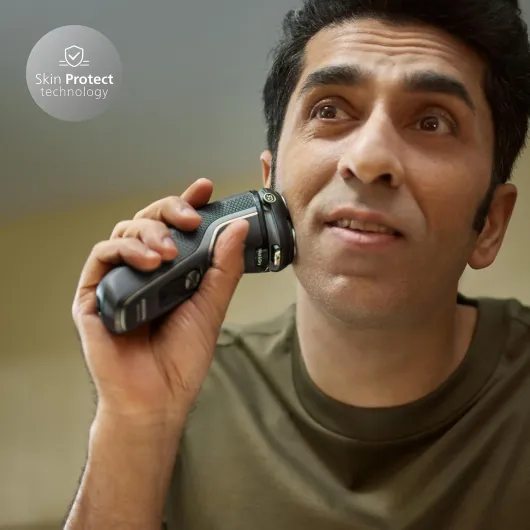
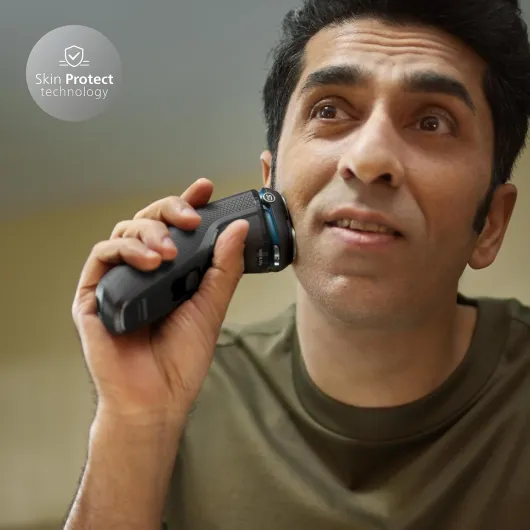
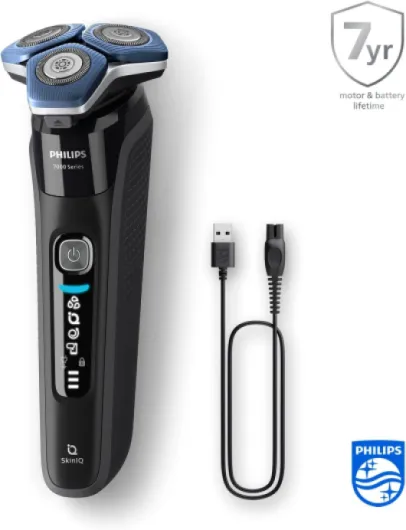
![Shaver i9000 Prestige, Wet & Dry Electric Shaver, Dark Slate Nova, with Skin IQ Technology, Triple Lift & Cut System, 360 Rotating Dual SteelPrecision Blades, Model XP9204/10 [New] i9000 Prestige, Case, Charging Stand](https://www.electric-shaver-guru.com/storage/859642/81X0HVdrIQL._AC_SL1500_.jpg)