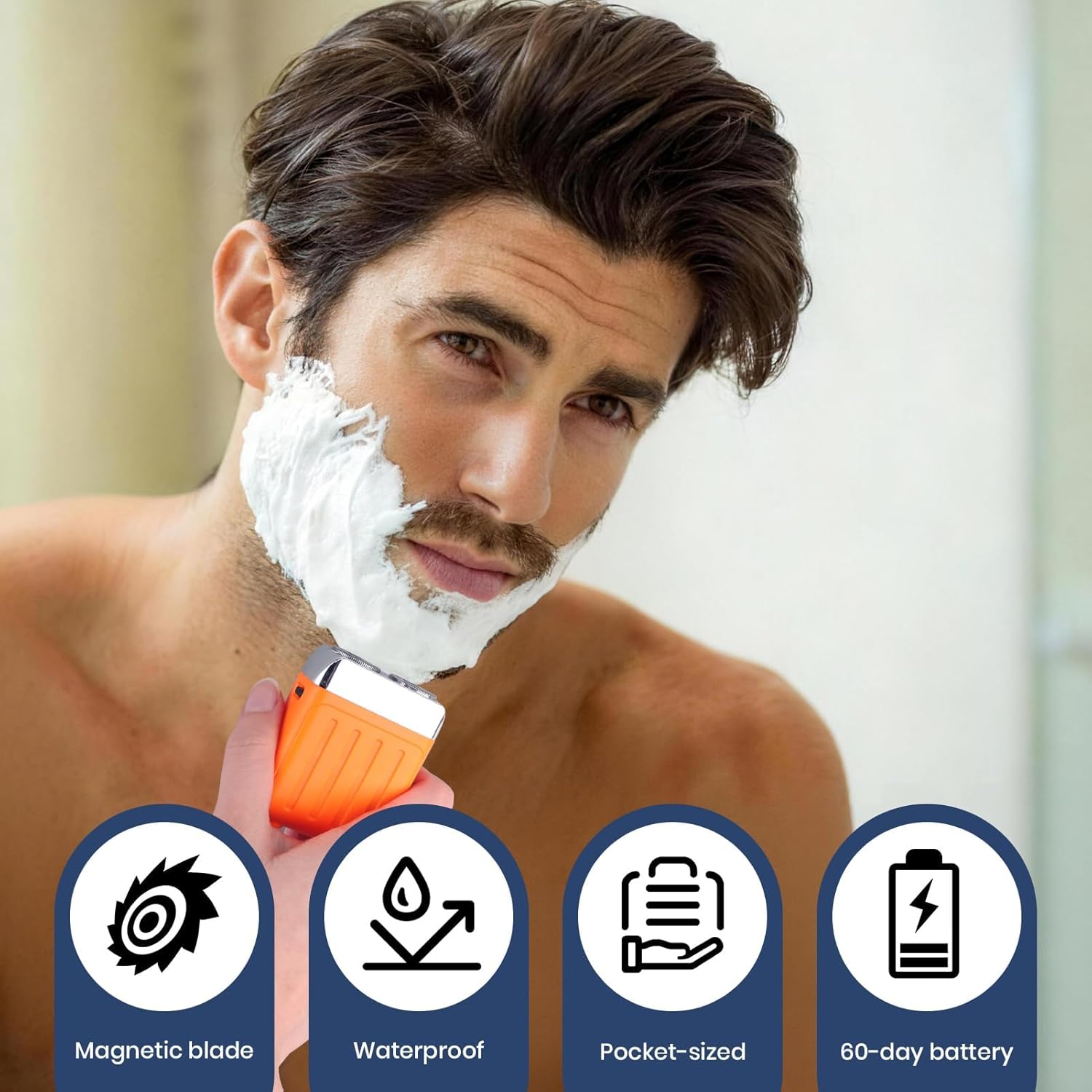
Foil versus rotary heads when you travel light
Choosing between foil shavers and rotary shavers matters more once you travel. A foil shaver uses straight oscillating blades under a thin perforated foil, which suits precise lines and a close shave on the cheeks. Rotary electric shavers use circular heads that glide around the face, which can feel more forgiving on curved areas such as the jaw and neck.
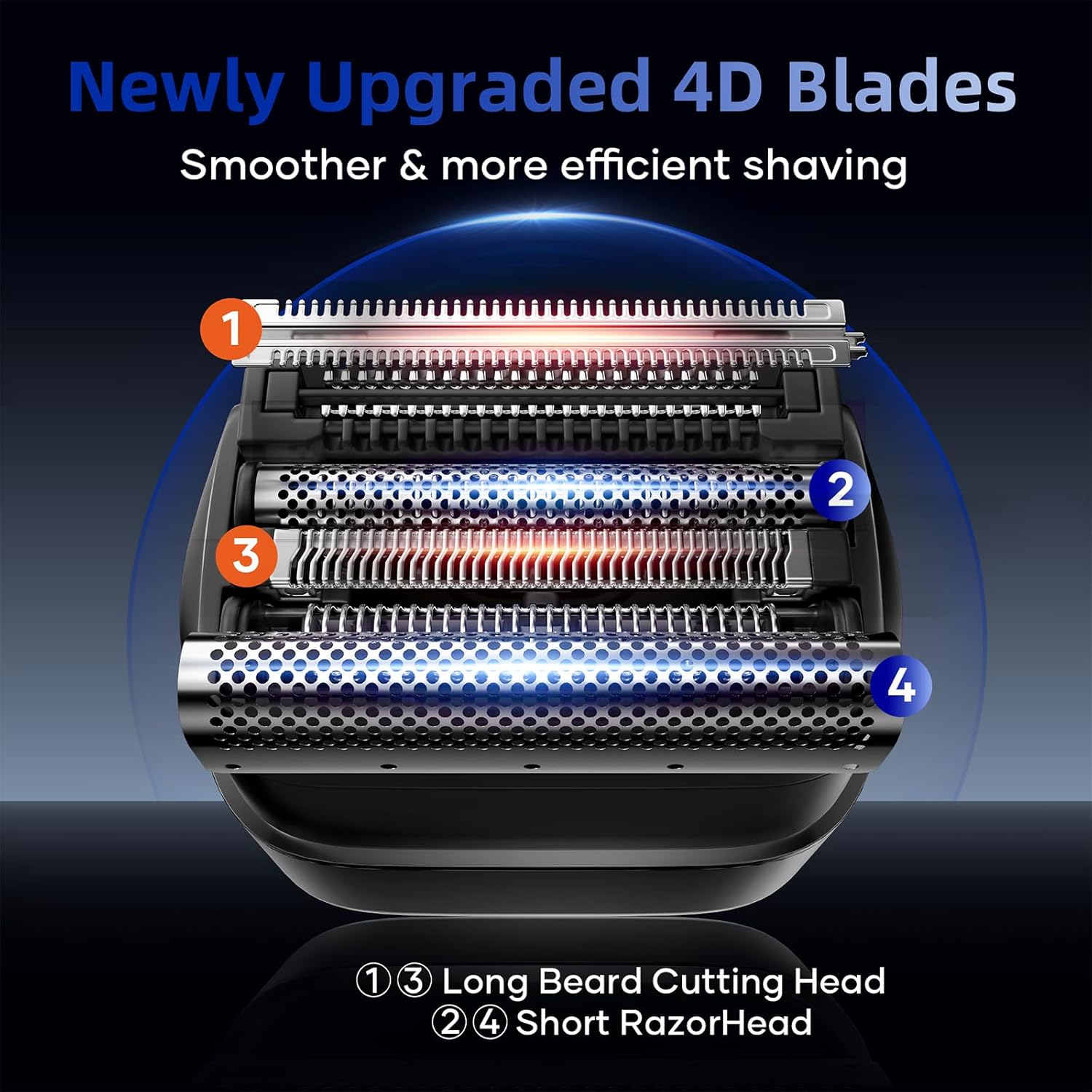
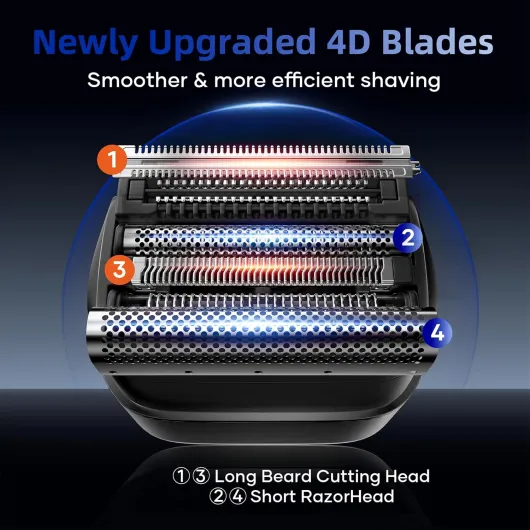
For many men who shave daily on business trips, a compact foil shaver offers the best balance of control and speed. The rectangular head makes it easier to trim sideburns and maintain a neat moustache, especially when mirrors and lighting in hotel bathrooms are inconsistent. Some Braun Series Pro and Panasonic Arc models combine a multi foil head with a pop up trimmer, which helps tidy stray hair without packing extra tools.
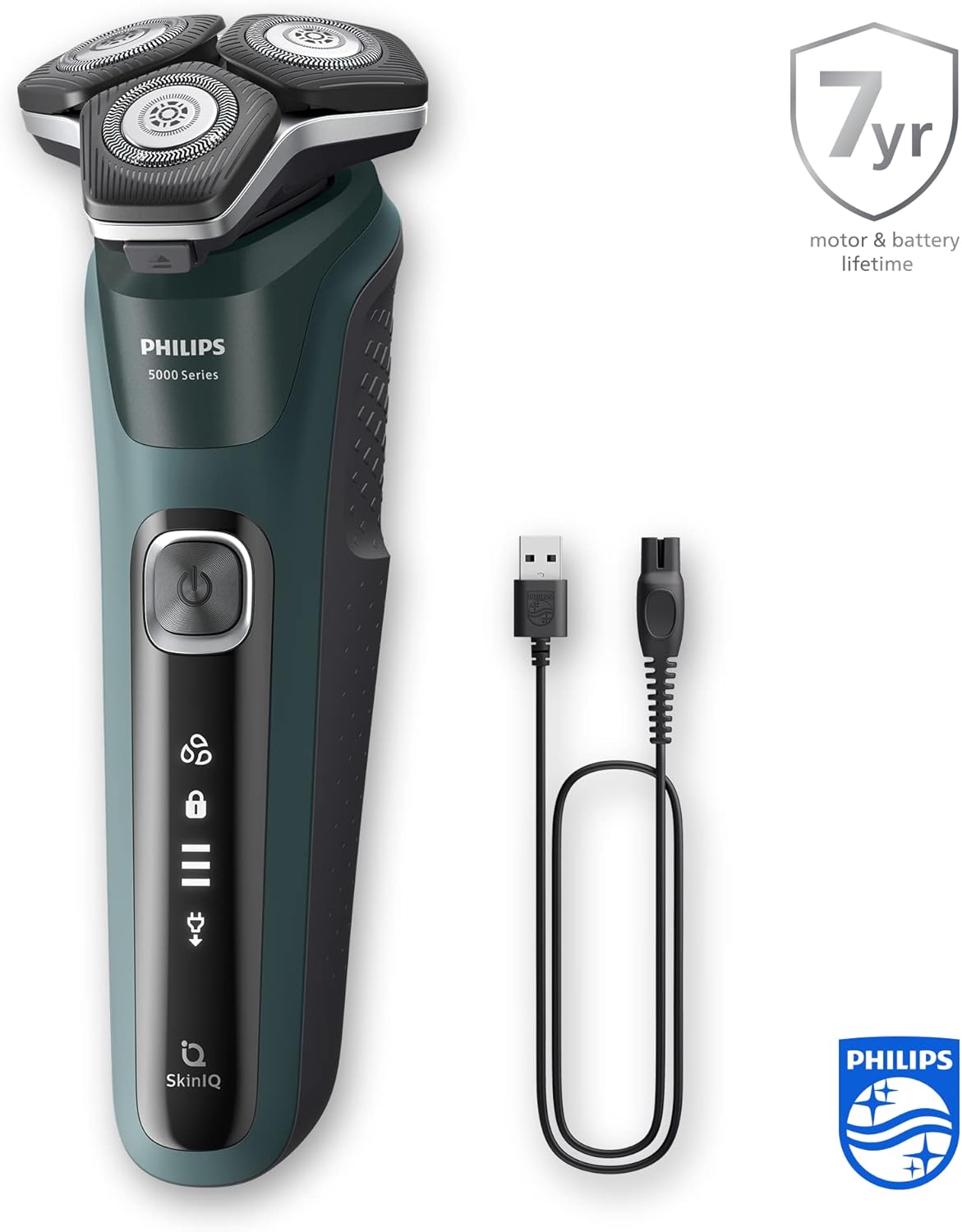
Rotary models from Philips Norelco shine when you let your beard grow slightly between shaves. A Norelco shaver with three flexible heads can capture longer hair that lies flat, which is common after long haul flights or camping weekends. The floating rotary head design on many Philips Norelco series allows each shaving disc to pivot independently, improving contact on tricky areas.
If you are a beginner to electric shaving and want guidance before choosing a travel razor, a dedicated resource on top electric shavers for beginners can clarify whether a foil or rotary head suits your skin. Once you know your preferred shaving style, you can narrow down to a compact travel model that mirrors your home shaver. Matching the same head type reduces the learning curve when you shave in a hurry before a meeting.
Noise level also differs between foil and rotary travel shavers. Foil shavers for men often sound sharper and higher pitched, while rotary electric shavers produce a lower hum that some travellers find more discreet in shared accommodation. If you expect to shave in hostel bathrooms or quiet trains, consider how much sound your chosen shaver generates.
Cleaning routines vary too, and this affects travel convenience. A simple foil shaver head usually rinses clean under water in seconds, especially if the device is rated IPX waterproof for full tap rinsing. Rotary heads sometimes trap more hair inside the shaving chambers, so you may need to open the head assembly and tap out debris, which is less ideal when you are rushing to catch a flight.
Power, battery life, and charging options on the road
Battery performance often separates average travel shavers from the best travel electric shavers. A strong internal battery lets you shave for several days without hunting for sockets in unfamiliar airports or guesthouses. Look for clear battery indicators on the handle, not just a vague low power light.
Many modern shavers for men now use lithium ion batteries that deliver around 40 to 60 minutes of shaving from a full charge. For a travel shaver, that usually translates to one to two weeks of daily shaves, depending on how long you spend on each shave. Some Panasonic Arc and Braun Series Pro models even stretch beyond that, which can be reassuring on longer trips without reliable power.
Charging standards matter as much as raw battery capacity. A travel electric razor that charges via USB C can share a cable with your phone, tablet, or headphones, which reduces clutter in your travel case. Older models may rely on proprietary chargers, so losing that cable mid travel can render the shaver useless.
Wet dry capability interacts with battery design too. Fully IPX waterproof shavers are usually cordless only, because manufacturers disable corded use for safety when the shaver head is exposed to water. If you rely on shaving while plugged in at home, adjust your expectations and test the cordless routine before you travel.
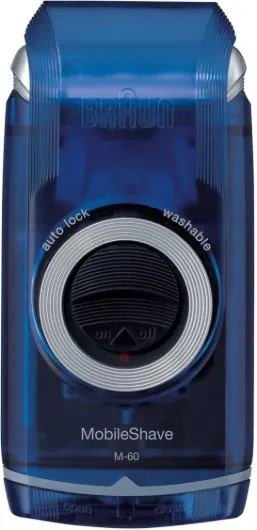
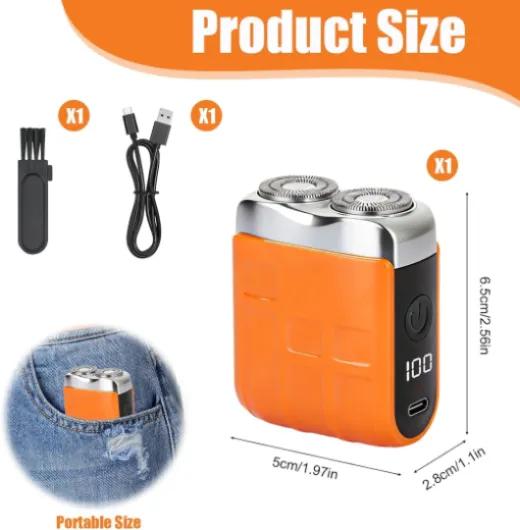
Some compact mini electric razors still use replaceable AA batteries. These can work as emergency travel razors, especially in regions where you cannot easily charge devices, but they rarely match the power of a full size electric shaver. You will also need to factor the ongoing price of disposable batteries into your travel budget.
When evaluating power claims, be wary of vague marketing language. Instead, look for concrete figures such as minutes of shaving per charge, quick charge times, and whether the shaver maintains consistent cutting speed as the battery drains. A detailed product test of a fully waterproof rotary shaver for men, such as the one reviewed as an IPX waterproof wet dry electric razor for men, can help you benchmark what strong travel performance looks like in practice.
Size, protection, and durability of travel shaver designs
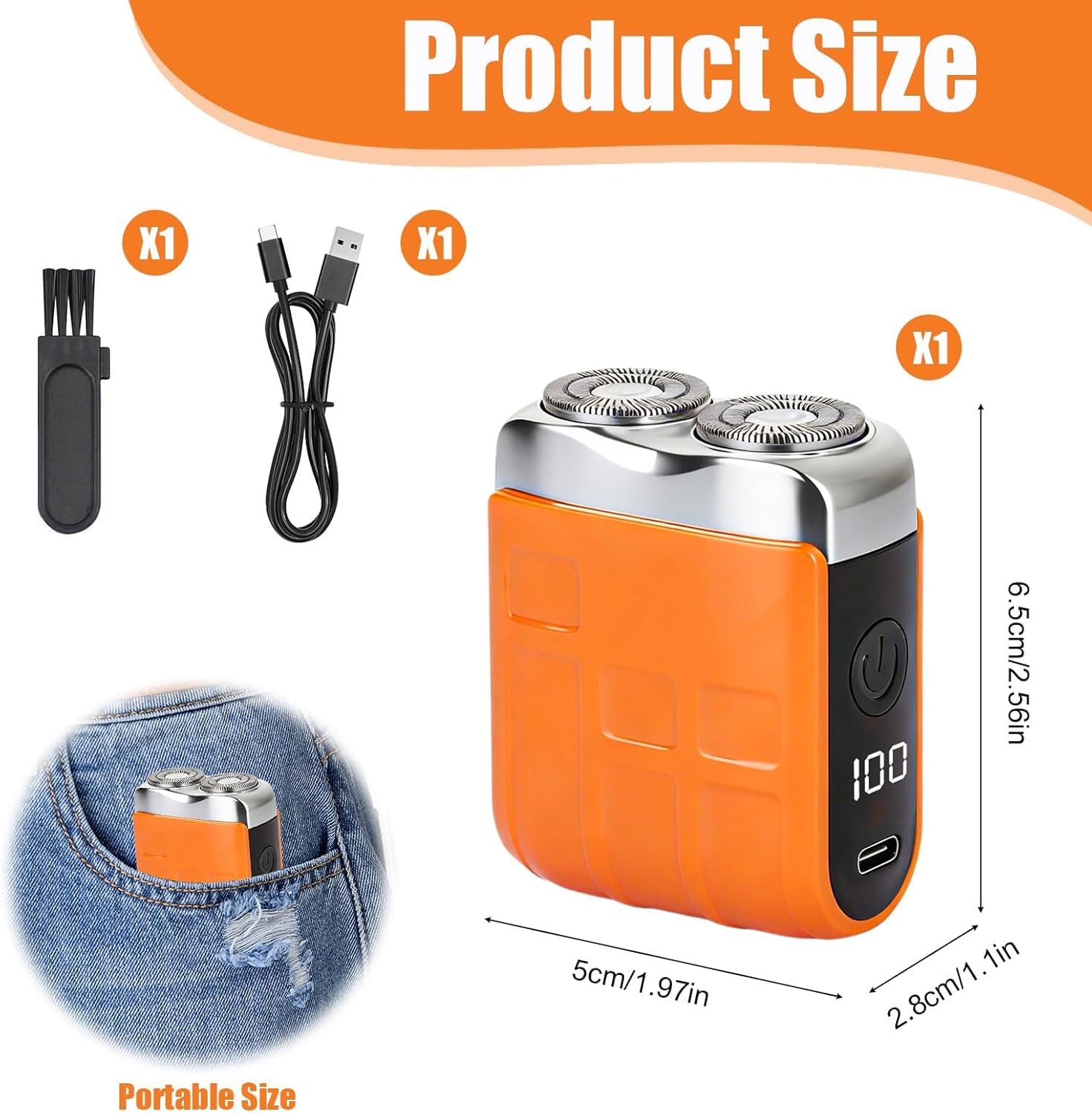
Physical design determines whether a shaver truly deserves the travel label. A mini electric shaver may look compact in photos, yet feel awkward in hand if the handle is too short or the head too wide. Aim for a balance where the electric razor fits your grip securely while still sliding easily into a side pocket of your bag.
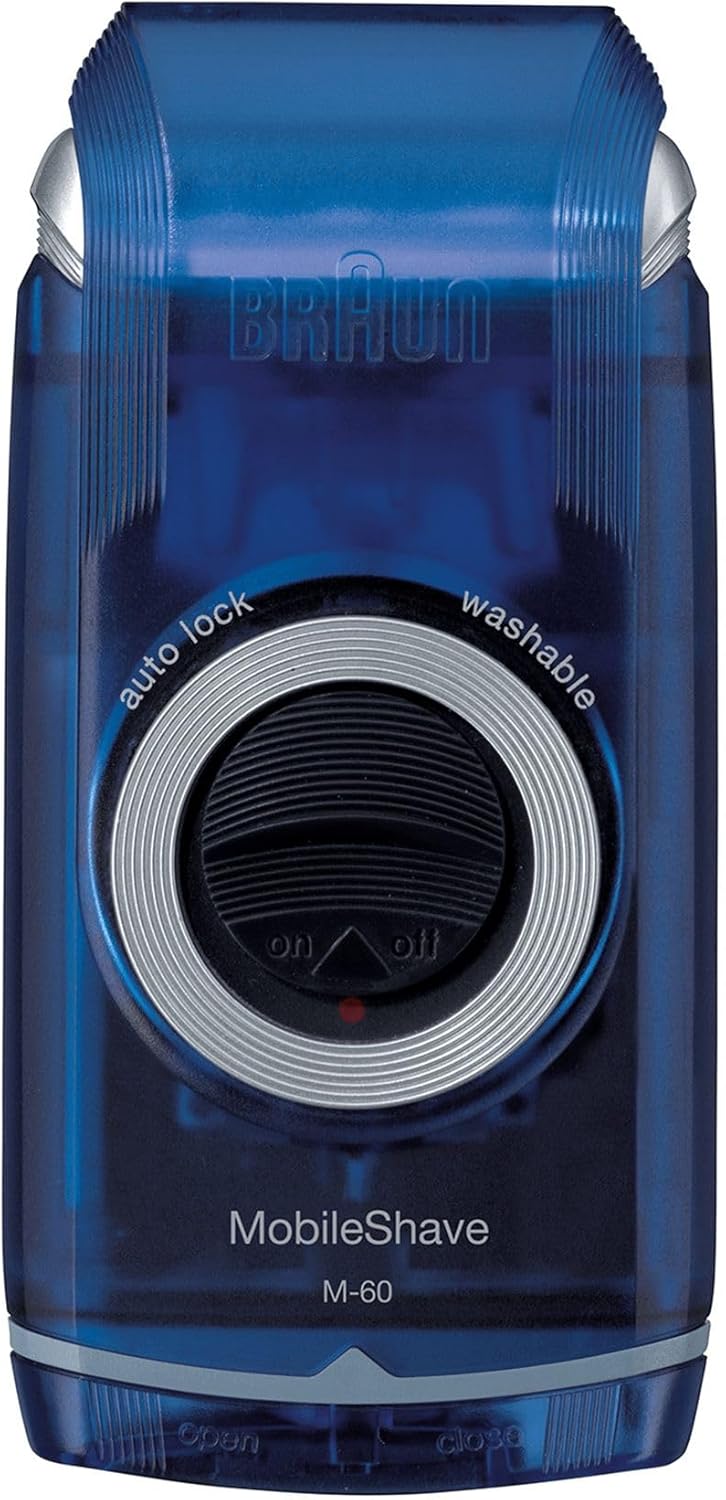
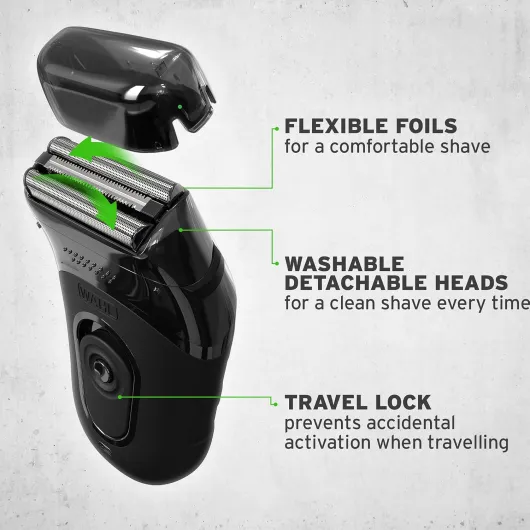
Protective features are just as important as raw size. A sturdy travel case shields the shaver head from impacts, which prevents damage to delicate foil or rotary components during rough baggage handling. Some Braun and Panasonic travel shavers include a hard shell travel case, while others rely on a simple fabric pouch that offers less protection.
Blade and foil durability matter because replacement parts can be harder to source while travelling. A high quality foil shaver or rotary shaver head should last many months of regular use before performance drops noticeably. When you choose among different series, check the availability and price of replacement foils, cutters, or rotary heads in your home region.
Water resistance contributes to durability in unpredictable travel environments. An IPX waterproof rating means the shaver can withstand immersion to a specified depth, which protects internal electronics from accidental drops into sinks or wet countertops. For travellers who like a wet dry shave in the shower, this waterproof design also simplifies cleaning and reduces the risk of corrosion.
Look closely at build materials and seams on any travel shaver. A robust electric shaver for men should use tight panel gaps, secure buttons, and a well sealed charging port or stand, which all help prevent dust and moisture from entering. Cheaper travel shavers sometimes cut corners here, leading to rattling heads or loose switches after a few months of use.
If you are shopping on a budget, a detailed guide on what a 50 euro electric razor actually delivers can help you judge realistic expectations. In many cases, a mid range travel razor with a solid travel lock and decent travel case will outlast a very cheap mini model that lacks proper protection. Over several trips, that durability often offsets the slightly higher initial price.
Skin comfort, wet dry use, and grooming flexibility on the move
Comfort becomes more critical when you shave in unfamiliar conditions. Dry cabin air, hard hotel water, and disrupted sleep can all make skin more sensitive, so the best travel electric shavers must handle these stresses gently. A flexible head system that adapts to facial contours reduces pressure points and helps prevent irritation.
Many men prefer a wet dry routine while travelling, because shaving with gel or foam can feel soothing after long flights. A fully wet dry electric shaver lets you choose between a quick dry shave at the airport and a more careful wet shave in the hotel shower. Always confirm that your chosen electric razor is rated for wet dry use before exposing it to water, even if the body looks sealed.
Trimming flexibility also matters for grooming on the move. Some travel shavers include an integrated pop up trimmer for sideburns and moustaches, while others rely on detachable combs for light beard shaping. If you maintain stubble rather than a clean shave, a compact shaver with adjustable length settings can replace a separate trimmer in your wash bag.
Facial hair type influences which travel shaver model will feel most comfortable. Coarse or dense hair often benefits from more powerful motors found in higher Braun Series Pro or Panasonic Arc lines, which cut efficiently without repeated passes. Finer hair may work well with a smaller mini electric razor, as long as the blades remain sharp and the head design suits your face.
For men who are prone to ingrown hairs, foil shavers usually offer a safer choice than aggressive rotary heads. The straight cutting action under the foil tends to lift and cut hair cleanly at skin level, which can reduce the risk of sharp hair tips curling back into the skin. If you already use a Philips Norelco rotary shaver at home without issues, staying within the same brand and head style for your travel shaver makes sense.
Noise, vibration, and handle ergonomics all contribute to perceived comfort. A well balanced electric shaver with a rubberised grip feels more secure when your hands are damp from a wet shave, especially in cramped hotel showers. Testing the shaver at home before your first trip lets you adjust your technique and confirm that the combination of head design, motor power, and wet dry performance suits your skin.
Price, value, and where to buy travel shavers safely
Price alone rarely tells you whether a travel shaver offers good value. A very cheap electric shaver may look appealing, but weak batteries, fragile heads, and poor travel locks can quickly turn it into a frustrating purchase. On the other hand, the most expensive models sometimes add features that matter more at home than on the road.
Think in terms of total cost over the expected life of the shaver. A mid range Braun or Panasonic Arc travel razor with durable foils and widely available replacement parts often costs less per year than a bargain mini electric model that fails after a few trips. Factor in the price of replacement foils, rotary heads, and cleaning accessories when you compare options.
Large online retailers such as Amazon make it easy to compare many travel shavers quickly. When browsing listings, filter for verified reviews that mention real travel use, such as shaving in hostels, on cruise ships, or during camping trips. Pay attention to comments about battery life, travel lock reliability, and how well the travel case protects the shaver head.
Brand reputation still matters in this crowded market. Established names like Braun, Panasonic, and Philips Norelco have long track records with electric shaver design, spare parts, and customer support. Lesser known brands sometimes offer attractive price points, but you may struggle to find replacement heads or a compatible travel case after a year.
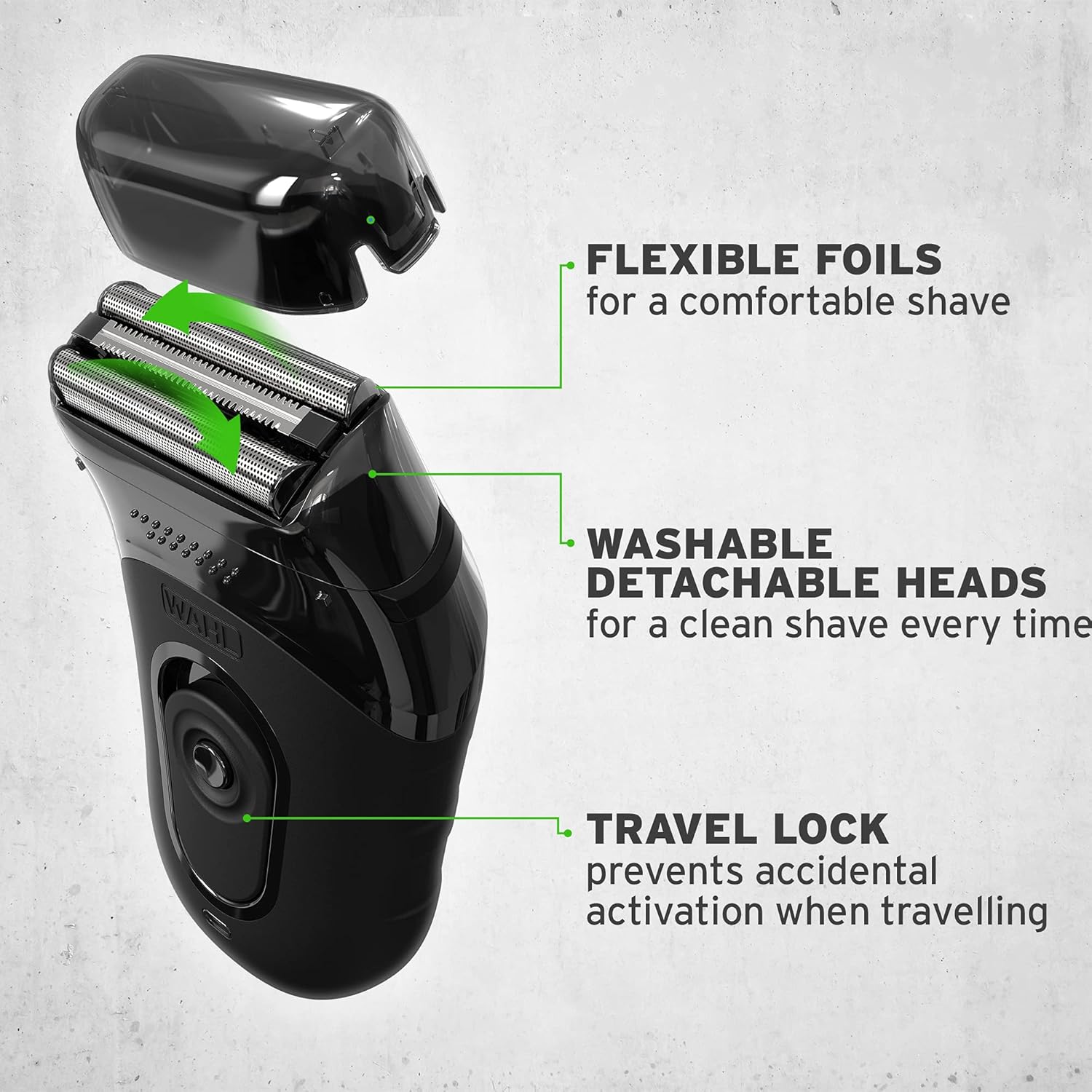
When choosing between different series within a brand, focus on features that directly affect travel. For example, a Braun Series Pro model with a robust travel lock and IPX waterproof rating may serve you better than a higher domestic series that lacks a proper travel case. Similarly, a compact Philips Norelco shaver with USB charging can be more practical than a bulkier home oriented electric razor that needs a docking station.
Finally, consider warranty coverage and regional support. If you buy a travel shaver while abroad or through a marketplace seller, confirm that the warranty applies in your home country and that authorised service centres can handle your specific model. This extra check helps ensure that your chosen travel shaver remains a reliable companion rather than a disposable gadget.
How to match a travel shaver to your personal routine
Choosing among the best travel electric shavers becomes easier when you map them to your habits. Start by listing how often you shave, whether you prefer wet dry routines, and how much luggage space you usually carry. A frequent flyer with only cabin baggage will prioritise different features than a holiday traveller with a large suitcase.
If you shave daily and value a very close finish, a compact foil shaver from a Braun or Panasonic Arc series will likely suit you best. These models often combine sharp foils, strong motors, and precise head shapes that handle detailed work around the lips and jawline. Pairing such a shaver with a rigid travel case and a reliable travel lock protects your investment in transit.
Travellers who shave every few days or maintain short beards may prefer rotary designs. A Philips Norelco shaver with flexible rotary heads can manage slightly longer hair without tugging, which is useful after long weekends or busy conferences. Look for IPX waterproof and wet dry ratings so you can rinse the head thoroughly after tackling heavier growth.
Body grooming needs also influence your choice. Some electric shavers for men include attachments for trimming body hair, which can reduce the number of devices you pack. If you only need facial grooming, a simpler mini electric razor with a single shaving head may be lighter and easier to manage.
Storage habits matter too. If you often toss your wash bag into crowded backpacks or overhead lockers, a sturdy travel case and a secure travel lock become essential, regardless of the shaver model. For travellers who unpack carefully and use hotel safes or drawers, a softer pouch may suffice, though the shaver head still benefits from some protection.
Ultimately, the best travel electric shavers are those you barely think about once packed. When your chosen electric shaver matches your shaving style, luggage constraints, and tolerance for maintenance, it simply works whenever you reach for it. That quiet reliability is the real benchmark for any travel shaver, whether it is a premium Braun Series Pro, a mid range Panasonic Arc, or a compact Philips Norelco travel razor.
Key figures about travel electric shavers
- Market research from Euromonitor International’s “Shavers and Hair Removal in Western Europe” report (2022 edition) shows that electric shavers account for more than 60 percent of men’s shaving appliance sales in many Western European countries, reflecting a strong shift away from disposable razors.
- Surveys of frequent business travellers by major hotel chains such as Hilton and Marriott, summarised in their 2021–2023 loyalty programme reports, indicate that around 40 percent of men have forgotten a shaving tool at least once, which explains the growing demand for compact backup travel shavers.
- Independent lab tests published by consumer organisations like Stiftung Warentest in Germany (issue 12/2021) and Which? in the UK (Grooming Appliances Guide 2022) often find that mid range electric shavers deliver around 80 to 90 percent of the performance of flagship models, while costing roughly half the price.
- Battery technology improvements mean that many current travel shavers provide 40 to 60 minutes of cordless use, compared with older models that often managed only 20 to 30 minutes per charge, according to manufacturer specifications compiled in recent buyer guides.
- Water resistance ratings such as IPX7 allow some electric shavers to be submerged in up to 1 metre of water for 30 minutes, which significantly reduces the risk of failure from accidental drops into sinks or wet bags.
| Model example | Head type | Typical runtime* | IP rating* | Charging | Price band** |
|---|
| Braun Series 5 travel‑friendly variant | Foil | 50–60 minutes (lab tested range) | IPX7 (manufacturer rated) | Proprietary / some USB stands | Mid range (approx. €80–€130 / $80–$140) |
| Panasonic Arc 3 compact model | Foil | 40–50 minutes (independent tests) | IPX7 (manufacturer rated) | Proprietary | Mid range (approx. €70–€120 / $70–$130) |
| Philips Norelco 5000 series | Rotary | 50–60 minutes (typical measured runtime) | IPX7 (manufacturer rated) | USB or proprietary, model dependent | Mid to upper mid (approx. €90–€160 / $90–$170) |
| Basic AA‑powered mini shaver | Foil or rotary | 20–30 minutes per battery set (benchmarked) | Often splash resistant only | AA replaceable | Budget (approx. €15–€35 / $15–$40) |
*Typical runtimes and IP ratings are based on a mix of manufacturer data and independent lab measurements where available.
**Price bands are indicative, vary by region and retailer, and may fluctuate during promotions.
![Shaver 700 Series - Compact Electric Shaver, Lift & Cut System, Dual SteelPrecision Blades, 4D Flex Heads, Wet & Dry Shave, Nose Trimmer, Travel Case, Model S792/06 [New] S7 Travel Shaver, Dual SteelPrecision Blades, Nose Trimmer, USB-A + QI](https://www.electric-shaver-guru.com/storage/880543/conversions/81sMHLPogXL._AC_SL1500_-medium.webp)

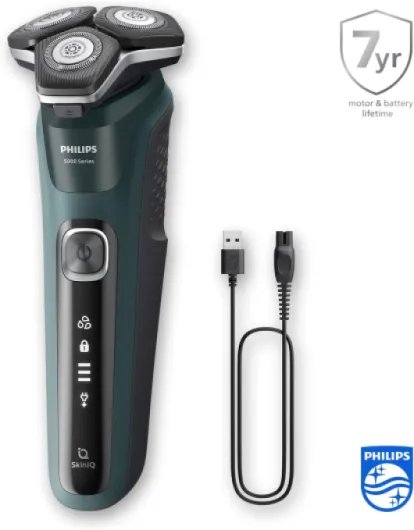
![Shaver 500 Series - Compact Electric Shaver, Lift & Cut System, SteelPrecision Blades, 3D Floating Heads, Wet & Dry Shave, Travel Case, Travel Lock, Magnetic Cap, Model S595/05 [New] S5 Travel Shaver, SteelPrecision Blades, USB-A](https://www.electric-shaver-guru.com/storage/947623/conversions/81sNo5FKqLL._AC_SL1500_-medium.webp)
![Shaver 700 Series - Compact Electric Shaver, Lift & Cut System, Dual SteelPrecision Blades, 4D Flex Heads, Wet & Dry Shave, Nose Trimmer, Travel Case, Model S792/06 [New] S7 Travel Shaver, Dual SteelPrecision Blades, Nose Trimmer, USB-A + QI](https://www.electric-shaver-guru.com/storage/880543/81sMHLPogXL._AC_SL1500_.jpg)
![Shaver 500 Series - Compact Electric Shaver, Lift & Cut System, SteelPrecision Blades, 3D Floating Heads, Wet & Dry Shave, Travel Case, Travel Lock, Magnetic Cap, Model S595/05 [New] S5 Travel Shaver, SteelPrecision Blades, USB-A](https://www.electric-shaver-guru.com/storage/947623/81sNo5FKqLL._AC_SL1500_.jpg)