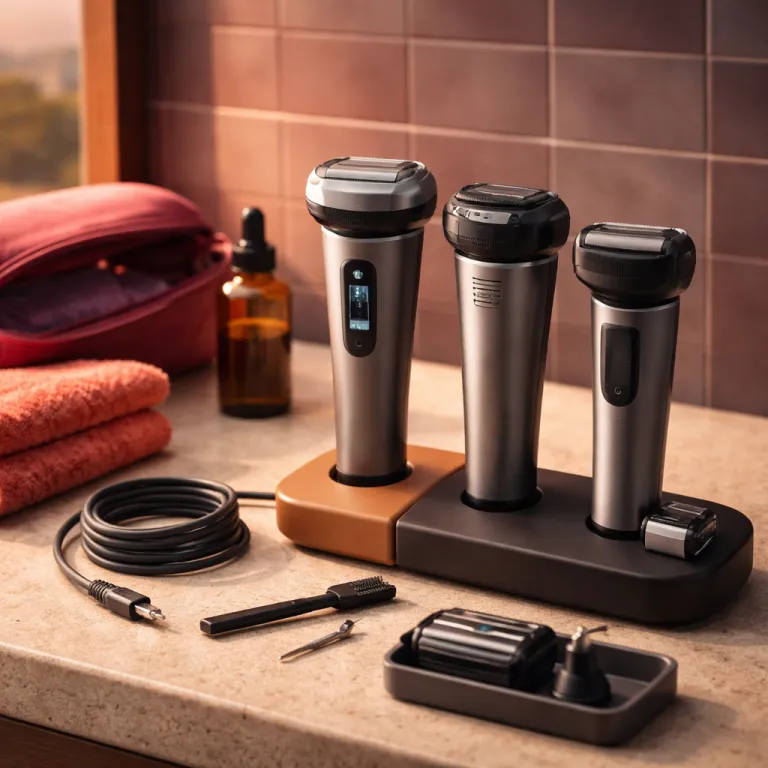
Smart electric shaver technology: what really matters for everyday faces
Smart electric shaver technology promises a faster shave and fewer nicks. For a busy man who just wants reliable shaving before work, the real question is whether the extra electronics on a shaver beat a simple electric razor with sharp blades and a solid motor. The gap between marketing and meaningful engineering is wide, and your skin pays when you choose badly.
Rotary shavers like the latest Philips Norelco series lean heavily on buzzwords about AI and adaptive heads. Under the plastic, though, the fundamentals of shaving remain the same, because a shaver still lives or dies by its cutting system, the way its blades meet your hair and how gently they treat your skin. The cutting geometry, the head flexibility and the motor torque matter more than any OLED display or animated battery icon.
Take the Philips Norelco i9000 rotary electric shaver with its bright OLED display on the handle. That screen shows battery life, a cleaning reminder and sometimes a pressure warning, yet you only look at the shaver for a few seconds before you start to shave. According to Philips’ own marketing materials, usage tips and pressure guidance are based on internal user studies rather than independent lab trials, and most owners primarily rely on feel and sound once they know the shaver. The screen feels slick in the hand, but it does not make the electric razor cut closer or protect sensitive skin from irritation.
By contrast, the Panasonic Arc 6 foil shaver hides its smart electric shaver technology inside a 14,000 CPM linear motor and a multi-arc head. Those six ultra-thin blades sit under a foil shaver head that stays relatively cool while mowing through dense hair on the jawline and neck. Panasonic’s official specifications rate the Arc 6 for around 50 minutes of cordless shaving from a one-hour charge, and in most comparative tests the shaver keeps a constant pitch instead of bogging down when your beard thickens.
Braun takes a different route with the Braun Series 9 Pro+ foil shavers and their SmartCare Center. The Braun Series cleaning base uses sensors to choose a cleaning program, charges the electric shaver and lubricates the blades, which genuinely extends cutting performance over time. Braun’s internal testing, echoed by several independent product-review labs, suggests that regular use of the SmartCare Center can extend effective cutting element life by roughly 20% compared with rinsing only, though exact figures vary by test protocol. That kind of SmartCare Center support matters more than a flashy Series Pro logo or another app icon on your phone.
Price still anchors every buying decision, especially when electric shavers now rival smartphones for complexity. A premium rotary shaver with wet and dry capability, a travel lock and a quick-charge mode can cost several hundred euros, while a basic electric razor sits under 60. The trick is knowing when the extra money buys a closer shave and when it just buys another feature you will ignore after the first week.
For most working men, the best electric choice is the model that balances comfort, closeness and maintenance over three to five years. That means judging the shaving experience by how your skin feels at 7 p.m., not just how smooth your face feels at 7 a.m. Smart electric shaver technology should quietly support that goal, not turn your bathroom into a gadget showroom.
Rotary versus foil in the age of apps and OLED screens
Rotary shavers and foil shavers approach hair cutting differently, and smart electric shaver technology has not changed that core physics. Rotary heads on a Philips Norelco electric shaver pivot in multiple directions, catching hair that grows in circles, while foil shaver designs from Braun and Panasonic Arc models use straight oscillating blades under perforated metal foils. Your beard pattern and skin sensitivity still decide which camp you belong to, even when both shavers now flash icons and talk about AI.
Philips Norelco rotary electric razors such as the high-end series with SenseIQ use sensors to track pressure and hair density. The shaver then adjusts motor power to maintain a consistent shave, which can help protect sensitive skin on the neck and under the jaw. Philips quotes up to 150,000 micro-adjustments per minute in its SenseIQ documentation, and clearly labels this as a manufacturer claim based on internal simulations and controlled tests. That kind of adaptive motor control is one of the few smart features that genuinely improves the shaving experience rather than just decorating the handle.
Foil shavers like the Braun Series 9 Pro and the Braun Series 9 Pro+ lean on a different set of tricks. Their flexible head and multi-directional cutting elements lift and cut flat-lying hair, while the SmartCare Center keeps the blades clean and lubricated between shaves. For many men with straight beard growth, this combination delivers a close shave that rivals a manual razor without the same risk of razor burn.
Panasonic Arc 5 and Panasonic Arc 6 foil shavers push the arc concept further with more blades and a very fast linear motor. The Panasonic Arc design excels when you want a very close shave on the cheeks and chin, though some users with reactive skin find the aggressive blades a bit unforgiving. In independent lab measurements and Panasonic’s own spec sheets, the linear motor maintains roughly 13,000 to 14,000 CPM even under load, which helps prevent tugging. Here, smart electric shaver technology in the form of pressure sensors and wet and dry flexibility can soften the experience by letting you shave with gel in the shower.
Rotary shavers still win for men whose hair grows in multiple directions or who shave less frequently. The rounded head of a rotary electric shaver glides easily around the head and neck, catching longer hair that a straight foil might skip on the first pass. If you often stretch your shave to two or three days, a rotary series can feel less tuggy on the first strokes.
There is also a cultural shift happening around grooming and technology. Men are spending more on grooming tools than ever, and reports on the rise of men’s grooming spending show that electric shavers now compete with sneakers and headphones for discretionary budget. That makes it even more important to separate the best electric engineering from the kind of prestige ultra styling that only inflates the price.
When you compare rotary and foil shavers in this new landscape, focus on the head design, the blades and the way the shaver treats your skin over time. An OLED display on a Philips Norelco i9000 or a glowing ring on a Braun Series Pro handle might look modern, yet they add nothing to the actual cut. Smart electric shaver technology earns its keep only when it helps you get a close shave faster, with less irritation and less fuss.
Gadget features versus real benefits: how to read the spec sheet
Spec sheets for electric shavers now read like smartphone brochures, and that is a problem. You see claims about AI-powered motors, app connectivity, shave tracking and even coaching, while the basic questions about blades, motor strength and battery life get buried. Smart electric shaver technology should clarify your choice, not drown you in acronyms and icons.
Start with the features that genuinely change how the shaver treats your skin and hair. Pressure sensors that light up when you press too hard can prevent razor burn on sensitive skin, especially along the neck where many men over-shave. Auto adjustment of motor power based on beard density also matters, because it keeps the cutting speed high in tough areas without forcing you to make extra passes.
USB-C charging is another quiet revolution in electric razors that actually helps real users. When your shaver, phone and headphones share the same cable, travel becomes simpler and you are less likely to be stuck with a dead electric shaver in a hotel bathroom. A reliable travel lock on the handle then keeps the shaver from buzzing in your bag and draining the battery before you arrive.
By contrast, large OLED or LCD displays on a shaver rarely justify their impact on price. You glance at the battery icon for a second, maybe two, then focus entirely on the shave, the sound of the motor and the feel on your skin. In consumer surveys by European testing magazines, typically cited in manufacturer summaries rather than full public reports, fewer than one in five owners report using advanced on-screen features after the first month. App-based shave tracking suffers the same fate, because almost nobody opens the companion app after the first week of curiosity.
Cleaning stations such as the Braun SmartCare Center sit in a grey zone between gimmick and genuine help. They add ongoing cost for cleaning cartridges every few months, yet they also keep the blades clean, disinfected and lubricated with almost no effort from you. Independent lab testing of foil shavers and rotary shavers has found that regular cleaning and lubrication can extend effective blade life by several months, which supports the value of either a SmartCare Center or consistent manual cleaning routines.
Budget matters even more when smart electric shaver technology pushes premium models into luxury territory. A mid-range electric razor around 50 euros can still deliver a solid shaving experience if the blades are sharp and the head design suits your beard, as many detailed reviews of what a 50-euro electric razor actually delivers have shown. Spending more only makes sense when you gain real improvements in closeness, comfort or durability, not just another animated series logo.
When you read spec sheets, translate every feature into a simple question about your daily shave. Does this help me get a close shave faster, protect my skin, extend battery life or reduce maintenance time? If the answer is no, then that piece of smart electric shaver technology is probably just there to sell the shaver, not to serve your face.
How to choose the right smart shaver for your beard, skin and budget
Choosing the right electric shaver starts with your beard map, not the brand logo. Look at how your hair grows on the neck, jaw and upper lip, then match that pattern to the strengths of rotary or foil shavers. Smart electric shaver technology only pays off when it supports that basic fit between head design and hair direction.
If your beard grows in swirls or you often shave your head, a Philips Norelco rotary shaver from the higher series can be a strong option. The flexible rotary head follows curves easily, and the latest models use sensors to keep the motor from slowing when you hit denser hair. For men with sensitive skin, pairing that rotary head with wet and dry shaving and a gentle gel can reduce friction and razor burn.
Men with straight growth who want the closest possible finish often prefer foil shavers such as the Braun Series 9 Pro or the Panasonic Arc 5. These shavers use multiple cutting elements and very thin foils to capture short stubble, delivering a close shave that feels almost like a manual razor on the cheeks. If you shave daily and value speed, the combination of a strong motor and a wide head can cut your bathroom time noticeably.
Battery life and charging flexibility matter more than most spec sheets admit. A shaver that runs for three weeks of normal shaving on a single charge and supports quick charge for a single shave in five minutes will feel far less stressful in daily use. Typical premium models use lithium-ion packs in the 600 to 1,000 mAh range, which is enough for roughly 45 to 60 minutes of cordless use. Add a reliable travel lock and you have a tool you can throw into a gym bag or suitcase without thinking.
Maintenance is where many smart electric shaver technology promises either shine or fall apart. Cleaning stations like the Braun SmartCare Center or similar systems on other Series Pro models can keep your shaver fresh with almost no effort, though you pay for cartridges over time. Manual cleaning takes about a minute under the tap, and with a drop of liquid soap you can keep most electric shavers running smoothly for years.
Price should be the last filter, not the first, once you know your needs. A premium Braun Series model or a top Panasonic Arc shaver might be the best electric choice if you shave daily, have demanding skin and want a close shave with minimal irritation, while a simpler electric razor can suit an occasional shaver who trims every few days. For targeted recommendations by lifestyle, curated guides that narrow things down to one recommendation for every kind of dad can also help you see how different shavers fit different routines.
In the end, buy for the blades, the head design and how the shaver treats your skin over years, not weeks. Smart electric shaver technology should quietly support that relationship, whether through a stable motor, honest battery life or a cleaning system that keeps the razor feeling new. The real test is not the closeness in week one, but the closeness in year three.
Key figures on electric shavers and smart grooming tech
- Global sales of electric shavers and electric razors reached several billion euros recently, reflecting steady growth as more men shift from manual razor shaving to electric options for speed and convenience, especially in urban markets.
- Surveys of male consumers in Europe and North America show that battery life and durability rank above app connectivity and displays, with more than half of respondents rating long-term reliability as the most important feature in a shaver purchase.
- Independent lab testing of foil shavers and rotary shavers has found that regular cleaning and lubrication can extend effective blade life by several months, which supports the value of either a SmartCare Center or consistent manual cleaning routines.
- Consumer research on grooming habits indicates that a significant share of men now use wet and dry capable electric shavers in the shower, especially those with sensitive skin who benefit from shaving with gel or foam to reduce irritation.
- Market analyses of grooming devices show that models with USB-C charging ports are gaining share quickly, as buyers prefer shavers that integrate into their existing charging setups rather than relying on proprietary cables.
Comparative data from manufacturer spec sheets and major review labs typically show that high-end rotary models such as the Philips Norelco i9000 use three rotary cutters with adaptive speed control, while flagship foil shavers like the Braun Series 9 Pro+ and Panasonic Arc 6 rely on four to six straight blades driven at roughly 10,000 to 14,000 cycles per minute, with lithium-ion batteries rated for about 45 to 60 minutes of cordless use and optional cleaning bases on the premium tiers.