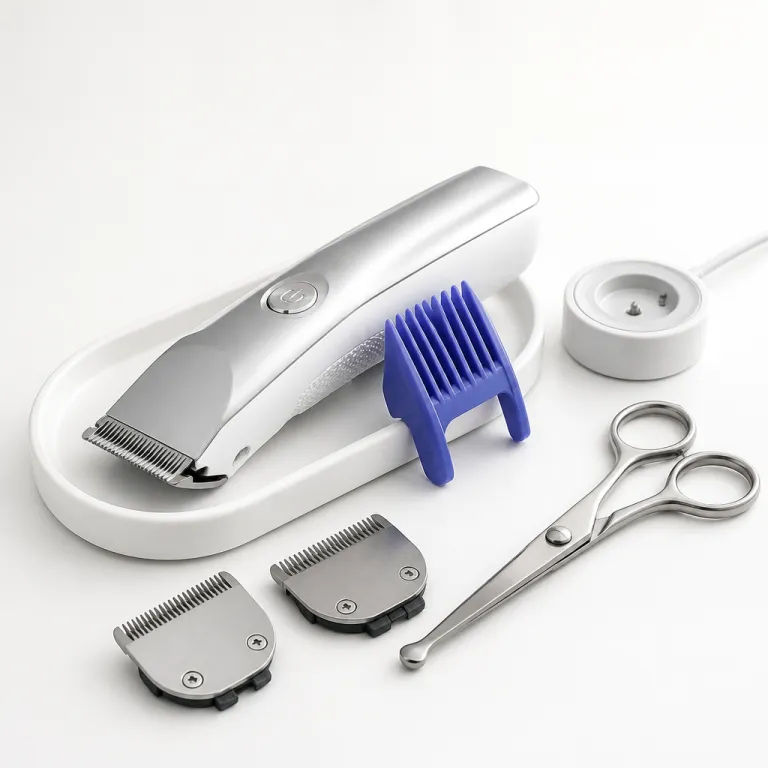

Why wireless dog grooming clippers matter for modern pet owners
Wireless dog grooming clippers have transformed how people manage dog hair at home. These cordless grooming tools let you move around a restless dog or cat without a cable snagging, which directly improves safety and grooming speed for both pets and owners. When you compare a modern cordless clipper with an older corded model, the freedom of movement and lower noise level often matter more than a slightly higher price.
For many households, the choice between dog clippers and human hair clippers is not obvious. Human hair clippers are designed for straight, relatively fine hair, while dedicated dog clippers handle dense dog hair, double coats, and sensitive skin with a different blade geometry and motor speed. A well engineered pet clipper usually has a detachable blade system, so you can switch from a fine finishing blade to a coarser detachable blade for thick areas without buying a second clipper kit.
Battery technology is another reason wireless dog grooming clippers now rival salon tools. Lithium ion and other modern cordless systems deliver consistent power until the battery is nearly empty, unlike older rechargeable products that slowed dramatically as charge dropped. When you read a list of specifications, look for cordless runtimes around 90 minutes or more, because that gives enough time to groom one large dog or two small dogs without recharging.
Key features that separate average and excellent cordless dog clippers
Several technical details determine whether cordless dog clippers feel smooth or frustrating in daily grooming. The first is the blade itself, because a sharp adjustable blade cuts dog hair cleanly while a dull cutting head pulls and overheats quickly. High quality grooming tools use stainless steel or ceramic blades with a detachable mechanism, allowing you to clean, oil, and replace each blade before it damages the coat.
Motor design and speed settings also shape your experience with wireless dog grooming clippers. A clipper with a single low speed may be quiet but can stall in dense hair, while models with multiple speed controls let you shift from a gentle low setting on the face to a faster cordless mode on the back and legs. When brands publish a list of strokes per minute, aim for a cordless clipper that offers at least two speeds, because that flexibility helps you adapt to different coat types and nervous temperaments.
Battery and ergonomics complete the picture for serious grooming at home. A lithium ion rechargeable pack reduces weight compared with older nickel batteries, which keeps strain low on your wrist during a full body trim for a large dog or cat. For a quick buyer’s checklist, note runtime (at least 90 minutes for multi pet homes), number of speed settings, detachable blade compatibility, total kit contents, and whether the cordless dog grooming clippers feel balanced and secure in your hand during a test grip.
How andis and other brands position their cordless grooming tools
Brand strategy matters when you invest in wireless dog grooming clippers that should last several grooming seasons. Companies such as Andis, Wahl, and Oster design entire ecosystems of dog clippers, detachable blade options, and clipper kit accessories that work together across multiple products. When you compare these ecosystems, focus less on a single price tag and more on long term blade availability, battery support, and service stock in your region.
The Andis range illustrates how a manufacturer segments cordless clippers for different users. Entry level models target owners who groom one small dog, while professional lines such as Andis Pulse ZR II or the Andis Excel series aim at salons that run clippers with low downtime and high durability. An Andis cordless dog clipper, for example, combines a lithium ion pack with a detachable blade system, so groomers can swap a fine adjustable blade for a wider blade option in seconds.
Price positioning also reflects how brands expect their grooming tools to be used. A budget cordless clipper kit may include plastic guide combs and a basic charger, while premium dog hair clippers often ship with multiple metal combs, spare blades, and a sturdier case for mobile groomers. If you are already familiar with high quality beard trimmers, you can use this review of barber approved trimmers under 80 as a reference point to understand how professional grade engineering translates from human hair tools to dog clippers.
Choosing the right clipper kit for your dog and your routine
Selecting wireless dog grooming clippers starts with an honest assessment of your dog and your own skills. A nervous small dog or cat with fine hair may only need a lightweight cordless clipper with one medium adjustable blade, while a large double coated dog demands more robust cordless clippers with several detachable blade sizes. Before you buy, write a short list of coat type, grooming frequency, and noise tolerance, then compare how different products match those needs.
Coat density and texture directly influence which clipper configuration works best. Curly or woolly dog hair often benefits from a closer cutting detachable blade, because it passes through tight curls without snagging, while silky coats can be managed with longer guide combs over a standard blade setup. If you plan full grooming sessions every month, invest in a clipper kit that includes at least two blades, metal combs, oil, a cleaning brush, and ideally a free storage case to keep everything organized between uses.
Maintenance habits should also guide your purchase decision. Owners who rarely oil blades or clean filters should prioritize dog clippers with sealed motors, easy to rinse housings, and simple detachable blade systems that encourage quick cleaning. When you see marketing claims about ion cordless technology or high speed performance, translate them into practical terms such as how many minutes of grooming you get per charge and how often you must replace the rechargeable battery pack.
From electric shavers to pet clippers: what human grooming teaches us
Experience with high quality electric shavers for men can help you judge wireless dog grooming clippers more critically. In human grooming, a well engineered shaver balances blade sharpness, motor speed, and skin comfort, and the same trio defines whether a cordless dog clipper feels safe on sensitive areas such as armpits and groins. When reviewers praise a shaver like the Braun Series 9 Pro for its quiet motor and advanced cutting elements, they are really highlighting qualities that also benefit anxious pets.
Noise and vibration are two lessons directly transferable from beard trimmers to dog clippers. A low vibration cordless clipper with a smooth speed curve keeps the dog calmer, which means fewer sudden movements and a lower risk of blade nicks or uneven hair patches. Manufacturers that invest in balanced motors and better housings often charge a higher price, but the payoff is a more relaxed grooming session and less wear on the detachable blade system.
Battery management is another shared concern between electric shavers and cordless clippers. Lithium ion packs allow fast charging and stable output, so a cordless dog clipper can maintain cutting power even when the battery indicator drops to a low level. When you compare different rechargeable products, look for clear runtime figures, replaceable batteries, and visible stock of spare parts, because those details signal a brand that treats grooming tools as long term investments rather than disposable gadgets.
Practical grooming tips to get salon level results at home
Once you own suitable wireless dog grooming clippers, technique determines whether the trim looks professional. Always start with clean, fully dried dog hair, because moisture and dirt blunt the blade faster and force the clipper motor to work harder. Brush thoroughly to remove knots, then run the cordless clippers in the direction of hair growth using slow, steady strokes rather than fast, choppy passes.
Blade care during the session protects both the dog and your investment. Every few minutes, pause the cordless dog clipper, brush away trapped hair from the detachable blade, and apply a drop of oil along the teeth to keep friction low and temperature under control. If the clipper head feels hot against your skin, switch to a spare detachable blade or use a cooling spray, because overheated metal can irritate sensitive areas on a dog or cat.
Finishing touches separate a basic home cut from a polished result. Use an adjustable blade or longer guard combs around the face, ears, and tail, keeping the clipper speed on a low setting to reduce the chance of sudden snags. For owners who groom multiple pets, consider keeping a small list of preferred blade sizes and speed settings for each animal, which turns every future grooming session into a predictable, low stress routine supported by the right grooming tools.
Key figures and market trends for wireless dog grooming clippers
- According to the American Pet Products Association (APPA), total U.S. spending on pet services, including grooming, has reached several billion dollars per year, reflecting a steady shift toward at home grooming with cordless clippers and other tools. Always consult the latest APPA reports for the most current figures before citing exact amounts.
- Market research from firms such as Grand View Research indicates that the global pet grooming products market has been growing at an annual rate of roughly 5 %, driven partly by increased adoption of rechargeable, lithium ion based cordless dog clippers. Check the most recent edition of any market study you reference, because growth rates and segment sizes are updated regularly.
- Surveys of professional groomers published by industry magazines suggest that a clear majority now rely primarily on cordless clipper models, citing reduced cable clutter, better speed control, and improved safety when handling anxious dogs and cats. Because percentages vary between surveys and years, verify the latest data before quoting a specific share such as 70 %.
- Battery technology reports show that many modern ion cordless packs can retain a large portion of their original capacity after hundreds of full charge cycles, which typically translates to several years of regular home grooming use before noticeable runtime loss. Exact retention figures depend on the cell chemistry, storage temperature, and how often the battery is fully discharged.
FAQ about wireless dog grooming clippers
Are wireless dog grooming clippers powerful enough for thick coats ?
Modern wireless dog grooming clippers that use lithium ion batteries and multi speed motors are powerful enough for most thick or double coated breeds. Look for models with at least two speed settings and a detachable blade system, so you can pair higher speed with coarser blades on dense areas. For extremely heavy coats, a professional grade cordless dog clipper with metal combs and spare blades usually delivers more consistent results.
How often should I replace the blades on my cordless clippers ?
Blade lifespan depends on how frequently you groom, the type of dog hair, and how carefully you maintain the clipper. With regular oiling, cleaning, and occasional sharpening, a quality detachable blade can last many months of home use before it needs replacement. Replace blades immediately if you notice pulling, visible chips, or overheating, because damaged teeth can irritate or cut the dog’s skin.
Can I use human hair clippers on my dog safely ?
Human hair clippers are not ideal for dogs, because their blades and motors are designed for different hair textures and usage times. Dog clippers usually run cooler, have smoother edges on the blade assembly, and offer more suitable guard combs for sensitive areas. In an emergency, a human clipper might manage a small tangle, but for regular grooming you should invest in dedicated wireless dog grooming clippers.
What maintenance do cordless dog clippers require ?
Routine maintenance includes brushing away hair after each session, oiling the detachable blade, and checking that the air vents remain free of dust. Rechargeable cordless clippers also benefit from full charge cycles every few weeks to keep the lithium ion battery healthy. Store the clipper kit in a dry place, avoid dropping the unit, and periodically inspect the power switch, charging port, and blades for signs of wear.
How do I reduce noise and stress for my dog during grooming ?
Choose a cordless clipper with low vibration and a quiet motor, then introduce it gradually by letting the dog sniff the tool while it is turned off. Start grooming sessions with short, calm periods, rewarding the dog with treats and praise whenever it remains relaxed near the running clippers. Over time, most pets associate the sound of wireless dog grooming clippers with positive attention, which makes each future session easier and safer.
Example cordless dog clipper models and core specifications
- Andis Pulse ZR II – Commonly advertised with multi hour cordless runtime, multiple speed settings, and detachable stainless steel blades compatible with wide blade options. Always confirm the exact runtime and speed range on the current product sheet, because specifications can change between generations.
- Wahl Bravura Lithium Ion – Typically offers around 90 minutes of cordless use, a constant speed motor, and an adjustable 5 in 1 blade for fine to medium coats. Check the latest packaging or manufacturer information for precise figures before relying on these details in a buying decision.
- Oster Pro 3000i – Designed for demanding work with a high torque motor, detachable CryogenX blades, and a rechargeable battery pack intended for thick and matted coats. As with any cordless dog clipper, verify current runtime claims and accessory bundles directly with the brand or retailer.