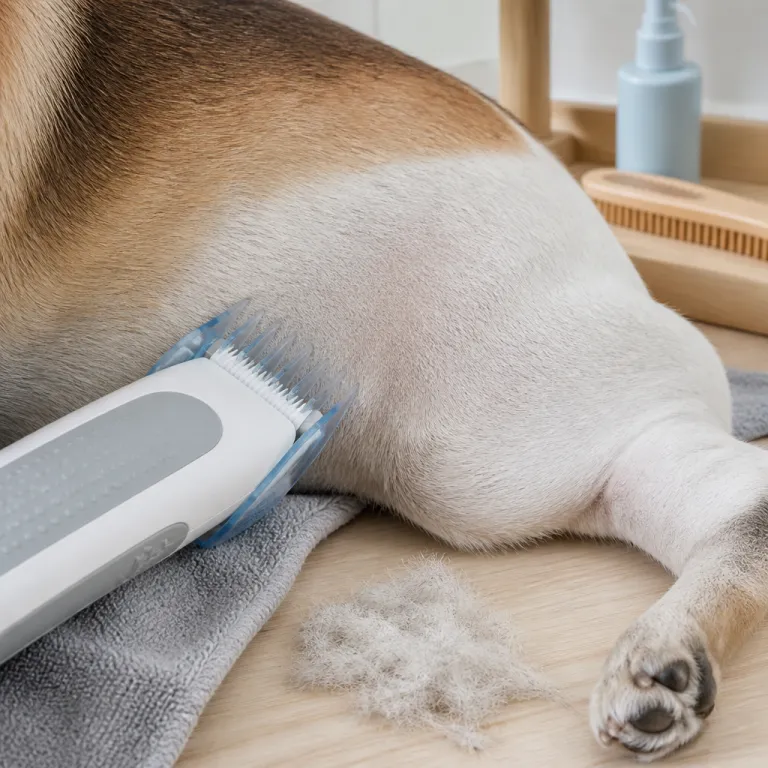

Why cordless dog grooming clippers matter for skin, coat and nerves
Cordless dog grooming clippers change how you manage dog hair at home. They remove the cable clutter of a traditional hair clipper, which lets you move around a nervous dog without tangling or pulling. For many dogs, less restraint and quieter clippers mean less stress during every grooming session.
When you compare a basic dog clipper with a modern cordless clipper, the difference in control is obvious. A balanced cordless dog design lets you follow the natural lines of the pet body, trimming hair around paws, ears and tail with fewer passes and less pressure. That control protects the skin, especially on sensitive dogs with fine dog hair or older pets with thinner coats.
Battery technology now allows cordless clippers to deliver stable speed for a full grooming session. Quality cordless dog grooming clippers keep their cutting power consistent until the battery is nearly empty, which helps prevent tugging and uneven lines in the coat. Many mid range models use lithium ion batteries in the 2,000–3,000 mAh range, supporting roughly 60–120 minutes of use, and maintain motor speeds around 5,000–6,000 strokes per minute. These figures are typical of current mid tier pet clippers reported in manufacturer specification sheets, and they feel like a professional upgrade at home compared with cheap clippers low in torque.
Blades, motors and speed control in beard trimmers and dog clippers
Electric beard and stubble trimmers share core technology with cordless dog clippers, especially in the blade and motor design. A sharp stainless steel or ceramic blade glides through hair only when the motor delivers enough speed and torque to avoid snagging. The same principle applies whether you are shaping a beard line or shortening thick dog hair on a double coated breed.
On human shavers, variable speed settings help you move from dense beard zones to delicate neck areas, and the best cordless dog grooming clippers mirror this flexibility with adjustable speed controls. Lower speed protects sensitive pet skin around the face, while higher speed clears dense hair on the back and hindquarters. If you already use a body trimmer with adjustable power, such as a waterproof body shaver for men, you will recognise how useful that control feels when you handle a restless pet.
Detachable blade systems, common on professional hair clippers, are now standard on many dog clippers and premium beard trimmers. A detachable blade lets you swap between fine finishing cuts and bulk hair removal without changing the entire clipper, which saves time and reduces wear on the motor. For owners who maintain both their own beard and their dog grooming routine, investing in tools with compatible blade systems simplifies maintenance and cleaning.
For readers comparing multi purpose tools, a dedicated body trimmer for men with interchangeable heads can complement a separate dog clipper rather than replace it. Human trimmers are optimised for flatter surfaces and shorter hair, while dog clippers are engineered for longer dog hair and more varied coat textures. Keeping each item for its intended use protects both your skin and your pet’s coat health, and reduces the risk of cross contamination between human and pet grooming tools.
Comparing cordless dog grooming clippers with leading brands and features
When you list and compare cordless dog grooming clippers, three brand names appear repeatedly in any serious options list. Andis, Wahl and Oneisall each approach the cordless clipper market with different priorities, from raw speed to quiet operation and value driven price. Understanding these differences helps you match the right dog clipper to your dog, your budget and your grooming skills.
Andis models, including the Andis Emerge cordless clipper, focus on professional grade power and durable detachable blade systems. Groomers who compare Andis products with cheaper dog clippers often highlight the consistent cutting speed and the way the blade stays cooler during long sessions. That performance matters when you work through dense dog hair on large dogs, where underpowered clippers low in torque can overheat or stall.
Wahl cordless dog clippers tend to balance noise level, ergonomics and regular price, making them accessible to home users who still want a professional feel. Many Wahl hair clippers share design cues with their pet range, so users familiar with a Wahl hair clipper for personal grooming often adapt quickly to the pet versions. Oneisall dog clippers, by contrast, usually target owners seeking low options in terms of cost, bundling a grooming kit with comb guards, scissors and a cleaning brush at a competitive price point.
Before you buy, create a simple list compare sheet that includes battery life, speed settings, blade type, weight, noise level, price and shipping conditions. This list compare approach makes it easier to see whether a cordless dog model with a higher regular price actually offers better long term value than several cheaper clippers low in durability. For deeper guidance on evaluating real world performance, a compact specification table can help you interpret numbers beyond the marketing claims.
Illustrative comparison of cordless dog grooming clippers
| Brand example | Battery life (mins) | Noise level (dB) | Weight (g) | Blade type | Typical price range |
|---|---|---|---|---|---|
| Andis cordless pro model | 90–120 | ≈60–65 | 300–350 | Detachable stainless steel | Mid to high |
| Wahl home grooming clipper | 60–90 | ≈55–60 | 250–320 | Fixed stainless steel | Mid range |
| Oneisall value kit | 60–80 | ≈50–60 | 220–280 | Fixed stainless or ceramic | Budget |
Note: The ranges in this table are compiled from publicly available manufacturer specification sheets and typical product listings rather than controlled lab tests, so treat them as indicative rather than exact for every model.
From beard trimmers to pet tools: what electric shavers teach about control
Experience with high quality electric shavers for men offers useful lessons when you handle cordless dog grooming clippers. A precision beard trimmer shows how a well designed handle, balanced weight and responsive motor translate into cleaner lines and fewer passes. The same ergonomics reduce wrist fatigue when you guide a dog clipper along the spine, legs and belly of medium or large dogs.
Modern beard and stubble trimmers often include micro length adjustments in fractions of a millimetre, which helps you learn how small changes in cutting height affect the final look. When you transfer that awareness to dog grooming, you become more deliberate about which comb guard you attach to the cordless clipper for different coat zones. Shorter settings suit sanitary areas and paw pads, while longer guards protect insulation on the torso and neck, especially for outdoor dogs.
Some electric shavers integrate wet and dry capabilities, allowing use with gel or foam to reduce friction on sensitive human skin. While you should never use shaving foam on a pet, the principle of reducing drag still applies, so brushing out tangles before using dog clippers and keeping the blade lubricated are essential steps. If you already maintain a precision beard trimmer with regular oiling and cleaning, applying the same discipline to your grooming kit will extend the life of every blade and motor.
To see how these ideas work in practice, imagine a medium sized, double coated dog that becomes restless after a few minutes. Using a cordless dog clipper with a slim grip similar to a beard trimmer, you can switch to a lower speed around the face, then increase power for the back and thighs, changing comb guards as you would adjust beard length. By treating your dog clipper with the same care as a premium beard trimmer, you raise the standard of control and comfort for your pet’s coat and skin.
How to build a practical grooming kit and options list for different dogs
A structured grooming kit for dogs should start with one reliable cordless dog clipper, supported by a clear options list of accessories. At minimum, that kit includes several comb guards, a detachable blade for close work, scissors for finishing and a slicker brush for daily maintenance. With these items organised, you can adapt your routine to different coat types and life stages.
Short coated dogs often need less work with dog clippers but still benefit from occasional trimming around paws and tails, especially when dog hair grows between pads and traps dirt. For these breeds, a compact cordless clipper with a narrow blade and moderate speed settings is usually enough, keeping noise and vibration low. Long coated or double coated dogs require more powerful clippers and a wider detachable blade to move through dense hair without repeated passes.
When you learn Oneisall product ranges or compare Andis and Wahl models, pay attention to how each brand structures its grooming kit bundles. Some include extra blades or combs that reduce the need for separate purchases, while others keep the initial price low but require later investment in accessories. A thoughtful options list that weighs regular price, expected lifespan and shipping costs will prevent you from buying multiple clippers low in durability instead of one robust professional tool.
For households with several dogs, it can be worth keeping two different dog clippers: one heavier hair clipper for full body work and a lighter cordless clipper for faces and paws. This division mirrors how barbers use separate hair clippers and trimmers for human clients, preserving precision and comfort. Over time, such planning protects both your budget and your pets, because each item in the kit is used where it performs best.
Price, shipping and long term value in cordless dog grooming clippers
Headline price often dominates buying decisions, but long term value in cordless dog grooming clippers depends on more than the regular price tag. Battery quality, blade steel, availability of spare parts and warranty conditions all influence how long a dog clipper will serve you and your pets. A slightly higher upfront cost can become cheaper over several years if the clipper avoids frequent repairs or replacement.
When you compare Andis, Wahl and Oneisall dog clippers, include shipping time and cost in your evaluation, especially if you live in a region with limited pet supply stores. Fast, reliable shipping ensures you receive replacement blades and accessories before your current blade dulls, which keeps grooming schedules consistent. Delays can push you to use worn blades that tug dog hair and irritate the skin, undermining the benefits of a cordless dog system.
Professional groomers often track the cost per grooming session by dividing the total price of a clipper, blades and maintenance over the number of dogs served. Home users can adapt this logic by estimating how many full grooms a cordless clipper will handle before needing a new detachable blade or battery. This simple calculation reveals that clippers low in initial cost but high in failures rarely beat a solid mid range or professional model over time.
As you learn Oneisall product lines and read user feedback, look for patterns about motor reliability, battery fade and blade availability rather than focusing only on promotional discounts. A transparent item description that lists motor speed, battery capacity, blade material and included accessories signals a manufacturer confident in its engineering. Choosing such tools aligns your grooming routine with the same standards of reliability you expect from a trusted electric shaver or beard trimmer.
Key figures and statistics about grooming tools and pet care
- Surveys from major pet industry associations, including the American Pet Products Association, indicate that well over half of dog owners now perform at least part of their dog grooming at home, which increases demand for cordless dog grooming clippers that are safe for non professionals.
- Market analyses of electric grooming tools report that cordless clippers and trimmers account for a growing majority of new product launches, with some recent reports placing cordless devices at more than two thirds of the category, reflecting consumer preference for cable free devices in both human and pet grooming.
- Veterinary dermatology studies consistently link matted dog hair with higher rates of skin irritation and infection, underlining the preventive health value of regular grooming with an appropriate dog clipper or grooming kit and a blade kept sharp and lubricated.
- Industry data on professional grooming services indicate that regular at home maintenance between salon visits can reduce appointment time and cost by 10–20% for many breeds, especially when owners use compatible clippers and blades to keep coats tangle free.
Source note: These figures summarise trends reported in recent pet industry surveys, veterinary dermatology reviews and grooming market reports; exact percentages vary by study and year, so treat them as broad indicators rather than fixed values.
FAQ about cordless dog grooming clippers and electric shavers
Are cordless dog grooming clippers powerful enough for thick coats ?
Modern cordless dog grooming clippers with high torque motors and quality blades are fully capable of handling thick double coats when used with the correct comb guards. The key is choosing a model with sufficient battery capacity and a detachable blade system designed for heavy duty work. Underpowered clippers low in torque may struggle, so checking motor specifications, such as strokes per minute and battery mAh, before purchase is essential.
Can I use my human hair clipper or beard trimmer on my dog ?
Human hair clippers and beard trimmers are engineered for different hair textures and flatter body contours, so they are not ideal for full body dog grooming. They can sometimes be used carefully for small touch ups, but they may overheat or pull dog hair on dense areas. Dedicated dog clippers are safer for the skin and coat of most pets.
How often should I replace the blade on cordless dog clippers ?
Blade lifespan depends on coat type, grooming frequency and maintenance habits, but many owners find that a well maintained detachable blade lasts several months to a year. Regular cleaning, oiling and brushing out dirt before clipping will extend that duration significantly. Once you notice tugging, increased heat or uneven cutting, it is time to sharpen or replace the blade.
What noise level should I look for to keep my dog calm ?
Dogs generally tolerate quieter clippers better, so models with lower decibel ratings and smooth motors are preferable, especially for anxious pets. Many manufacturers highlight reduced vibration and sound levels in their cordless dog designs, with some advertising operation around 50–60 dB, which can make a noticeable difference in behaviour. Testing the clipper near your dog before a full groom helps you gauge their comfort.
Is a full grooming kit necessary for beginners ?
A complete grooming kit with comb guards, scissors, brushes and a cordless clipper is not strictly necessary at the start, but it quickly becomes practical. Having the right tools for different coat zones reduces mistakes and improves safety for both you and your pet. Beginners can start with a basic set and expand their options list as they learn what their dog’s coat requires.