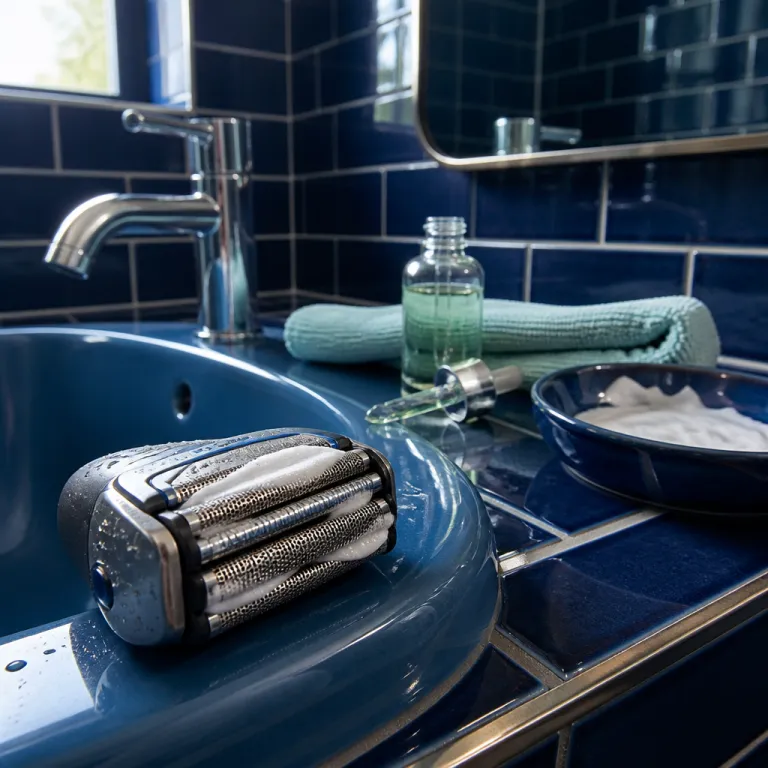
Why your pre shave routine for an electric razor matters
A good pre shave routine for an electric razor decides whether your morning shave feels sharp or scorched. When men with sensitive skin skip proper preparation, the shaver works harder, pulls more facial hair and leaves more irritation behind. The right electric shaving prep will not turn a weak device into the best machine, but it can turn a decent electric shaver into a close shave tool that stays kinder to your skin.
Think of the pre shave phase as setting the stage for the blades and foils. Your electric razor is designed to cut hair efficiently when the skin surface is predictable, either fully dry shaving or consistently wet shaving, not somewhere in between. A chaotic mix of half dry, half damp skin, leftover shave lotion and random shave oil will usually mean more razor burn and less free glide from the shaver head.
With foil shavers like the Braun Series 9 Pro or Panasonic Arc 5, the prep routine should focus on keeping the foils clean and the skin either completely dry or properly hydrated. Rotary electric shavers such as the Philips Norelco 9000 tolerate more wet dry experimentation, but even these shavers hate thick shaving cream that clogs capture chambers. Whatever your model, a disciplined pre shave routine for electric shavers will protect sensitive skin and reduce long term irritation.
Many men assume that any product labeled for shaving will help an electric shave, yet that is rarely true. Heavy oil based products and dense shaving creams are often designed for a manual razor, where the blade rinses clean under running water after each stroke. An electric shaver traps that same product inside its foils or rotary slots, dulling performance, heating the skin and turning a quick dry shave into a tugging, noisy grind.
Electric shaving also changes how your facial hair behaves before the first pass. Manual blades slice at skin level, while an electric razor lifts and cuts, so the pre shave routine should keep hairs upright, not plastered flat. That is why alcohol based pre shave lotions and light Lectric Shave style products can help dry shaving, while thick wet shaving foam can sabotage a close shave by gluing stubble to the skin.
Dry-shaving prep: clean, dry, and just enough grip
For most foil electric shavers, the most effective pre shave routine electric razor manufacturers recommend is a pure dry shaving setup. Start with a lukewarm face wash using a gentle, fragrance free cleanser to remove oil, sweat and overnight product residue from the skin. This step helps the shaver catch hair instead of sliding over a film of oil, and it also reduces bacteria that can worsen razor burn on sensitive skin.
After washing, pat your face completely dry and then wait a few minutes before you shave. Braun and Panasonic both state in their user manuals that their electric shavers give the best close shave on totally dry skin, because moisture softens the outer layer and makes hairs lie flatter. If you rush from towel to shaver, you end up in a half wet dry state where the electric razor struggles, the motor works harder and irritation builds along the neck and jawline.
Once the skin is dry, you can add a light pre shave product if your electric shaving style is strictly dry shaving. Classic alcohol based pre shave lotions such as Williams Lectric Shave or Remington branded pre electric shave lotion slightly dehydrate the skin surface and stiffen facial hair, which helps foils slice cleanly. These products will not suit every man with sensitive skin, but used sparingly they can reduce razor burn by letting the shaver glide with less pressure.
Some men prefer talc based powders as their main pre shave for a dry shave routine. A very thin dusting gives the skin extra grip, keeps it free from excess oil and stops the shaver head from sticking, especially in humid weather. If you use powder, keep it away from the shaver’s air vents and clean your electric shaver more often, because these products will collect inside the head over time.
Skip heavy shave oil before a dry shaving session, even if the bottle promises the best comfort. Oil coats the foils and blades, reduces direct contact with hair and can trap tiny particles that scratch sensitive skin during an electric shave. If you want lubrication, keep it for a post shave step or use a very light, electric specific product that rinses clean when you follow the manufacturer’s maintenance advice about why oil on clippers matters for your electric shaver.
Wet-shaving prep: when water helps and when it hurts
Wet shaving with an electric razor can feel gentler on sensitive skin, but only if the prep is disciplined. The ideal pre shave routine electric razor users follow for wet shaving starts in the shower, where warm water softens facial hair and opens pores without over soaking the skin. Spend at least a couple of minutes letting water run over your beard area, then gently cleanse to remove oil and any leftover products that might interfere with shaving cream or gel.
Once out of the shower, do not let your face dry completely if you plan a wet shave. Instead, leave the skin damp, not dripping, and apply a thin layer of low foam shaving gel or light shaving cream that is explicitly labeled as suitable for electric shavers. Thick, cushiony products designed for manual razors will clog the capture chambers of foil shavers and the slots of rotary shavers, forcing you to press harder and risking more irritation and razor burn.
Spread the product with your fingertips in upward motions to lift facial hair away from the skin. This technique helps the electric shaver cut at a more consistent length and reduces the need for repeated passes over the same patch of sensitive skin. Avoid building a dense lather, because electric shaving works best when the blades can reach the hair easily, not when they are swimming in foam that hides missed spots.
For men who struggle with razor burn, a wet dry capable shaver can be a useful compromise. You can test a light gel on one side of the face and a pure dry shave on the other, then compare redness and closeness after a few days. If wet shaving consistently leaves you with more irritation, it may be the product thickness or the extra pressure you use to chase a close shave through a slippery layer.
Whatever your choice, keep the pre shave routine electric razor friendly by rinsing the head thoroughly after each wet shave. Gel, cream and even mild shave oil residues will harden inside the mechanism and can cause uneven cutting, extra heat and long term damage that shortens the life of your electric shavers. Dermatologists also note that residue and trapped debris increase friction on the skin, which directly raises the risk of razor burn and ongoing irritation.
Products that help, products that hurt
Not every product on the grooming shelf deserves a place in your pre shave routine electric razor lineup. Helpful products share three traits; they rinse clean, they do not leave a heavy film on the skin and they support either a fully dry shave or a clearly defined wet shaving approach. Anything that sits between those states, especially thick oil based creams or balms, will usually work against your electric shave rather than for it.
On the helpful side, alcohol based pre shave lotions such as Williams Lectric Shave or similar pre electric formulas can improve glide for many men. They remove surface oil, slightly tighten the skin and help facial hair stand more upright, which lets foil shavers cut closer with less pressure. Used in moderation, these products can reduce razor burn on the neck, where hair grows in multiple directions and sensitive skin reacts quickly to friction.
Light, non comedogenic shave oil can sometimes help when used after the shave rather than before. A few drops as a post shave treatment lock in moisture without smothering the skin, especially in winter when indoor heating dries the air. This approach keeps the electric shaver’s foils and blades free from sticky residue while still giving men with sensitive skin a way to calm irritation after a close shave.
On the harmful side, heavy pre shave oils and dense shaving creams designed for manual razors are repeat offenders. They coat the foils, clog rotary heads and force the motor to work harder, which generates heat and increases the risk of razor burn during electric shaving. Over time, these products will also trap microscopic hair fragments inside the shaver, turning a precision tool into a noisy, uneven cutter that tugs instead of gliding.
Be wary of any product that promises a pain free, ultra close shave for all men without mentioning specific electric shavers or skin types. Your goal is not to collect more bottles, but to build a simple, repeatable pre shave routine electric razor users can trust through seasons and skin changes. When in doubt, choose fewer products, keep the skin either clearly dry or clearly prepared for wet dry use and let the engineering of your electric shaver do most of the work.
Timing, age, seasons and long-term skin strategy
When you shave can matter almost as much as how you shave, especially for men with sensitive skin. Many dermatologists suggest that a morning electric shave works better because the skin is slightly less puffy and facial hair is more predictable after a night’s rest. In practice, the best timing for your pre shave routine electric razor schedule is the one that lets you move slowly, follow your steps and avoid rushing the shaver across dry or irritated patches.
Morning shaves usually pair well with a dry shaving routine, particularly if you shower after you shave. You can wash your face, let the skin dry completely, apply a light pre electric lotion if needed and then use your electric shaver before the day’s sweat and pollution build up. Evening shaves, by contrast, often work better as a wet shave, when you have time for a shower, a careful application of shaving cream or gel and a soothing post shave routine before bed.
Age changes the rules again, because older skin loses some elasticity and becomes more prone to irritation and razor burn. Men in their 50s and 60s may find that a gentler pre shave routine electric razor approach, with less alcohol and more fragrance free moisturiser after the shave, keeps redness under control. In winter, when the air is dry, a richer post shave balm can help, while in summer a lighter, oil free lotion prevents clogged pores and ingrown hair.
Seasonal changes also affect how your electric shavers behave on the skin. In humid months, sweat and oil build up faster, so a stricter cleansing step before a dry shave becomes essential to keep the shaver gliding freely. During cold, dry periods, you might shorten the actual shaving time, use fewer passes and rely more on a protective post shave product to maintain comfort.
Finally, remember that a pre shave routine electric razor strategy is not a one time decision but an evolving system. As your facial hair density, skin sensitivity and preferred electric shaving style change, you should adjust products, timing and even the choice between wet dry methods. The electric shaver that feels merely adequate today can become your most reliable tool if you pair it with the right prep, the right maintenance and a realistic expectation; the real test is not the closeness in week one, but the closeness in year three.
FAQ
Is dry shaving or wet shaving better with an electric razor for sensitive skin ?
For most men with sensitive skin, a carefully prepared dry shave is easier to control and troubleshoot. You can keep the skin completely dry, use a light pre electric lotion if tolerated and adjust pressure and direction without foam hiding trouble spots. Wet shaving can feel smoother at first, but thick cream or gel often flattens hair and leads to more passes, which increases irritation.
Can I use regular shaving cream with an electric shaver ?
You can use regular shaving cream only if your electric shaver is rated for wet dry use, but thick, high cushion formulas are rarely ideal. These products are designed for manual razors that rinse clean under running water after each stroke, not for foils and rotary heads with small capture chambers. A thin, low foam gel or an electric specific shaving cream is usually safer for both the shaver and your skin.
Do pre shave oils work with electric shavers ?
Heavy pre shave oils generally work poorly with electric shavers because they coat foils and blades, reducing direct contact with hair. This coating forces the motor to work harder, generates extra heat and can trap debris that irritates sensitive skin over time. If you like oils, keep them for a light post shave step instead of using them before an electric shave.
How often should I change my pre shave routine with an electric razor ?
You should review your pre shave routine whenever your skin, facial hair or environment changes noticeably. That usually means adjusting products or timing with the seasons, after starting new medication that affects skin dryness or when you switch to a different electric shaver design. Small tweaks, such as changing from an alcohol based pre electric lotion to a fragrance free cleanser and balm, can make a big difference in comfort.
Does shaving at night reduce razor burn with an electric shaver ?
Shaving at night can reduce visible razor burn for some men because any redness has time to settle while you sleep. An evening routine also removes the pressure of rushing, which often leads to pressing too hard with the electric razor and overworking sensitive areas. If you choose night shaving, pair it with a gentle post shave moisturiser so the skin can repair while you rest.
Quick electric shaver maintenance checklist
To keep your pre shave routine electric razor friendly and your skin healthier over time, add these simple habits:
- After every shave: Tap out loose hairs, then use the supplied brush or a short burst of running water if the shaver is washable.
- Weekly: Rinse the head with warm water and mild liquid soap, then let it dry fully before reassembling.
- Lubrication: Apply a drop of light oil to the foils or cutters once a week, or after any deep clean.
- Head replacement: Follow the brand’s guidance; most foil sets and rotary cutters need changing every 12–18 months.
- Battery care: Avoid storing the shaver completely empty; recharge before it is fully drained whenever possible.