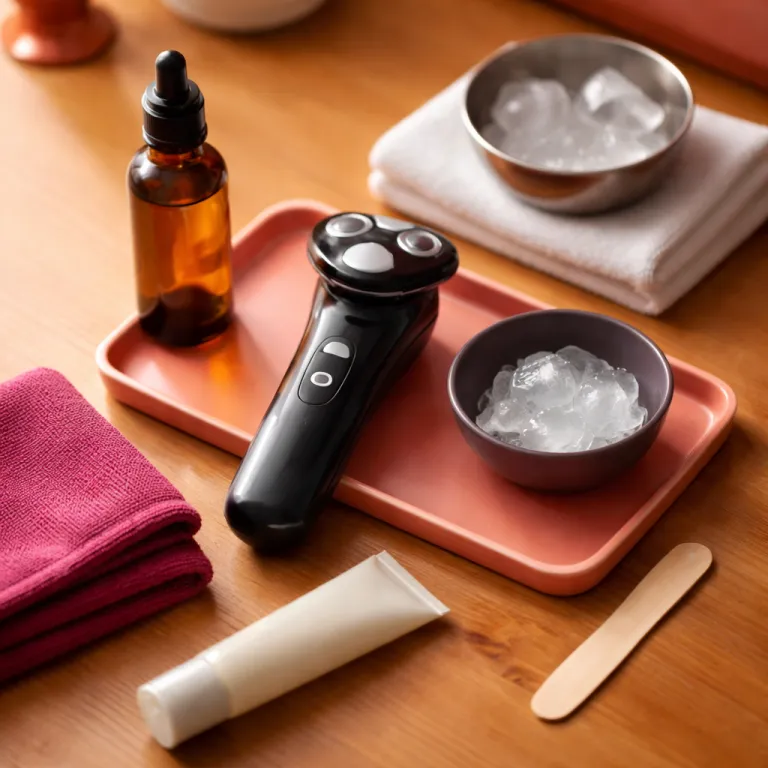
Why your post shave routine with an electric shaver matters
Most people blame the shave itself when their skin flares up. In reality, the ten minute window after using an electric shaver is when razor burn, redness and irritation really take hold. Treat that post shave window as seriously as the shave and your skin finally calms down instead of reacting hours later.
With electric shavers like the Braun Series 9 Pro, Philips Norelco 9000 and Panasonic Arc 5, the blades glide over the skin instead of cutting directly like a manual razor, yet friction and heat still stress the outer barrier. That stress is even higher on sensitive skin, especially if you run the shaver on a dry face, over long hair or across the scalp for a full head shave. A structured post shave routine for an electric shaver turns that stressed surface into comfortable, resilient skin again.
Think of the routine as three non negotiable steps and one optional shortcut. First comes a cold water rinse to flush away microscopic hair fragments and metal dust from the razor head and foil shavers, then an alcohol free aftershave balm to calm the area, and finally a light moisturizer to lock in hydration. People with very robust skin can sometimes skip everything after the rinse, but if you are reading this because of razor burn or ingrown hairs, your face and scalp probably need the full sequence after every shave.
Step 1: cold water rinse to reset skin after shaving
Once you put the electric shaver down, do not towel off and walk away. Go straight to the sink and rinse your face, neck and any shaved head area with cold water for at least thirty seconds. That single step cools the skin, constricts surface vessels and washes away the fine hair dust that often triggers irritation later, a duration consistent with common dermatology guidance on post shave care.
Cold water also helps close the micro channels opened by the blades of electric shavers and foil shavers, which matters if you have sensitive skin that reacts to every product. When you shave dry, those particles cling more stubbornly to the skin and to the shaver head, so take extra time to splash and gently rub with your fingertips. If you use a wet dry model with shaving cream in the shower, let the water run cool at the end of the shave shower and keep rinsing until the razor glide residue and any remaining cream are completely gone.
While you are at the sink, flip open the electric head and tap out loose hair before a quick rinse of the tools themselves. A clogged electric shaver forces you to press harder on the next shave, which increases friction and the risk of razor burn on both the face and scalp. For deeper maintenance, a periodic cleaning and a drop of oil on the moving parts, as explained in this guide to why oil on clippers matters for your electric shaver, keeps the blades cutting cleanly instead of tugging at long hair and stressing the skin, in line with typical manufacturer maintenance recommendations.
Step 2: alcohol free aftershave balm that actually calms skin
Once the water has dripped away, pat the skin dry with a soft towel. Do not rub hard, because aggressive drying after shaving can undo the benefits of a gentle electric shaver and turn a comfortable shave into a red, patchy mess. Leave the skin slightly damp so your aftershave balm spreads easily and sinks in fast.
For sensitive skin, an alcohol free aftershave balm is non negotiable, because alcohol based aftershave splashes sting, dehydrate and prolong razor burn instead of helping it. Look for balms with aloe vera, glycerin, niacinamide or hyaluronic acid, which support the barrier that electric shaving can disrupt on both the face and scalp. Examples include fragrance free options like Nivea Men Sensitive Post Shave Balm or CeraVe Daily Moisturizing Lotion used as a soothing post shave layer. Anyone who does a regular head shave or full head shaving routine should treat the scalp exactly like the cheeks, applying a thin layer of balm over every shaved area, not just the visible red spots.
If you are unsure whether to exfoliate before or after this step, a detailed discussion of whether you should exfoliate before or after shaving explains why most sensitive skin does better with gentle exfoliation the night before. That timing lets the skin recover before the next shave and reduces the chance of ingrown hairs forming under the short stubble left by electric shavers. Apply the balm in upward strokes along the grain of the hair, even on a shave head look, so you are not pushing product against the natural direction of growth and irritating the follicles.
Step 3: moisturizer, pre shave prep and when “nothing” is enough
After the balm has absorbed, a light moisturizer is the final layer in a smart post shave routine. Electric shaving removes less of the surface layer than a manual razor, but the repeated passes of the shaver head still disrupt lipids that keep the skin supple. A simple fragrance free cream or gel locks in the soothing ingredients from your shave balm and aftershave balm, especially on dry or mature skin. Lightweight, non comedogenic formulas such as Cetaphil Daily Hydrating Lotion or La Roche Posay Toleriane Fluide are typical dermatologist recommended examples that work well after electric shaving.
Pre shave habits quietly decide how much work your post shave routine must do. A warm shower before you shave softens hair, opens pores and lets the blades of an electric shaver or foil shavers cut cleanly instead of plucking at long hair, which is a major cause of irritation and ingrown hairs. Using a wet dry model with a thin layer of shaving cream can also improve razor glide for some people, particularly on the neck and scalp where the skin is thinner and more prone to razor burn.
There is also the “nothing” approach, where people with very resilient skin simply rinse after a shave and move on. That can work for a minority of individuals whose skin barrier is naturally strong and who do not push their shavers too hard or shave the head daily. If you are dealing with chronic redness, bumps or tightness after every head shave or facial shave, your skin is clearly asking for more than water, and skipping balm and moisturizer is a false economy.
Electric versus manual: routines for face, scalp and head shaving
Electric shavers and manual razors injure the skin in different ways, so their post shave routines should not be identical. A manual razor scrapes directly along the surface, often removing a thin layer of cells and leaving the face and scalp more exposed, which is why styptic pencils and heavy balms are common in traditional wet shaving. In contrast, a modern electric shaver keeps the blades behind a protective foil or rotary guard, so the trauma is lower but the heat and friction can still inflame sensitive skin.
If you alternate between an electric shaver and a manual razor, adjust your products to the tool you used that day. After a manual shave, especially on the head, you may need a richer balm and more time before exposing the skin to sun or tight hats, because the scalp is vulnerable when freshly shaved. After an electric head shave, the skin usually tolerates a lighter alcohol free aftershave and moisturizer, but skipping them entirely on sensitive skin still risks delayed razor burn and ingrown hairs.
Head shaving adds its own complications, because the scalp curves, has thinner skin in spots and often hides long hair patches that catch on dull blades. If you are new to shaving your head with an electric razor, a detailed guide to shaving your head with an electric razor and what bald guys get wrong explains why technique and pressure matter as much as the model you buy. Whatever you use, keep the shaver clean, replace worn blades on schedule and respect the same three step post shave routine on the scalp that you use on your face.
Choosing the right electric tools to reduce irritation long term
No post shave routine can fully compensate for a poorly matched shaver. If your electric shaver tugs at hair, overheats or needs endless passes to get close, your skin will stay angry no matter how much balm you apply. Choosing the right tools is part of skin care, not just gadget shopping.
For dense beards and sensitive skin, a high end foil model like the Braun Series 9 Pro or Panasonic Arc 5 usually beats cheaper electric shavers, because their faster motors cut through long hair without snagging. People with flatter, more flexible facial skin or a lot of swirling growth sometimes do better with rotary shavers like the Philips Norelco 9000, which contour around the jaw and scalp more easily during a head shave. Whatever you choose, prioritize models with wet dry capability so you can experiment with shaving cream or gel on problem areas to improve razor glide and comfort.
Battery life and maintenance also affect how your skin feels in year three, not just week one. A shaver that loses power quickly forces you to press harder, especially on the neck and scalp, which increases friction and the risk of razor burn and ingrown hairs. The smartest routine is simple: keep the blades sharp, keep the head clean, keep the skin cool and hydrated, and remember that the real test of a comfortable shave is not the closeness in week one, but the closeness in year three.
FAQ
How soon after an electric shave should I start my post shave routine ?
Start your post shave routine immediately after you turn off the shaver. Rinse with cold water first, then apply an alcohol free aftershave balm while the skin is still slightly damp. Waiting even ten minutes lets inflammation build and makes razor burn more likely, which is why dermatology associations generally advise prompt post shave care.
Do I need different products for face shaving and head shaving ?
You can usually use the same alcohol free aftershave balm and moisturizer on both face and scalp. The key difference is coverage and quantity, because the scalp has a larger surface area and often needs a bit more product. If your scalp is more sensitive than your face, choose lighter textures and avoid fragrance on head shaving days.
Can I skip moisturizer if I already use an aftershave balm ?
People with oily or very resilient skin sometimes do fine with only an aftershave balm. If your skin feels tight, flaky or looks dull a few hours after shaving, adding a light moisturizer on top of the balm usually solves it. Think of balm as treatment and moisturizer as the seal that keeps the benefits in place.
Is shaving cream necessary with a wet dry electric shaver ?
Shaving cream is not mandatory for a wet dry electric shaver, but it can help. A thin layer often improves razor glide on the neck and scalp and reduces friction for sensitive skin. If you try it, rinse thoroughly afterward so no residue is trapped under the balm and moisturizer.
How often should I replace blades on my electric shaver to protect my skin ?
Most manufacturers recommend replacing foils and blades every 12 to 18 months, depending on how often you shave and the coarseness of your hair. If you notice pulling, extra passes or more irritation, that is a sign the cutting parts are dulling. Fresh blades cut cleanly through hair instead of tugging, which makes every post shave routine more effective and aligns with typical replacement intervals listed in user manuals.
What if I still get ingrown hairs after following this routine ?
If ingrown hairs persist despite a careful electric shaving and post shave routine, consider switching to a single direction shave with fewer passes, using a gentle chemical exfoliant the night before and avoiding very close shaves on problem areas. Persistent, painful or infected bumps should be assessed by a board certified dermatologist, who can recommend prescription treatments or alternative hair removal methods.
Why does my electric shaver keep tugging even after cleaning ?
Frequent tugging usually means the foils or cutters are worn, the battery is weakening or the shaver is not suited to your hair density. Confirm that you are shaving on fully dry or consistently wet skin, clean the head thoroughly and apply a drop of clipper oil to the moving parts. If the problem continues, replacing the cutting cassette or upgrading to a more powerful model designed for coarse hair is often the only way to restore a smooth, comfortable shave.