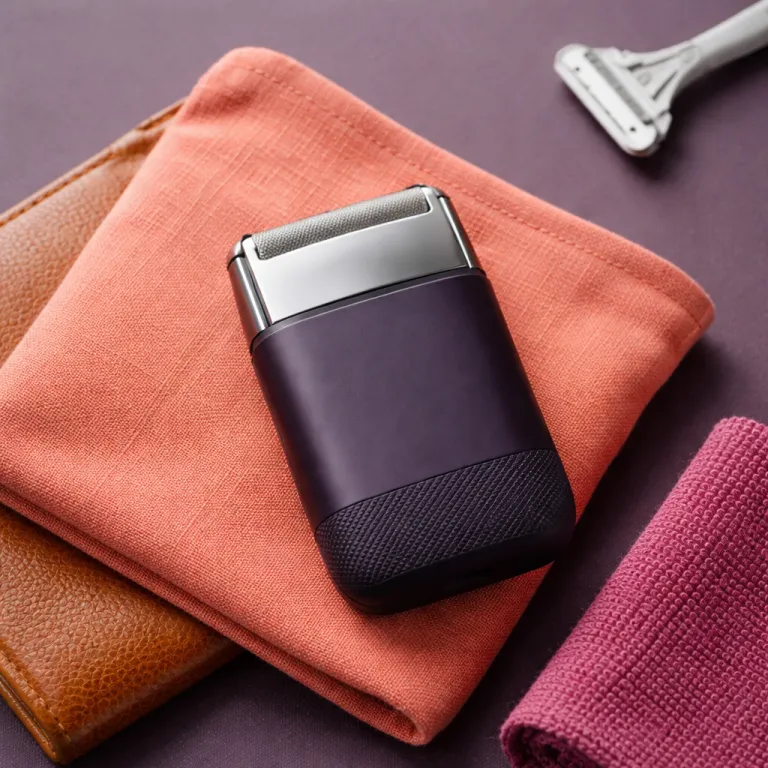
Choosing the right travel electric shaver for sensitive skin
Summer trips expose every weakness in your daily shaver routine. A good travel electric shaver should protect sensitive skin while surviving airport security, hotel bathrooms and rushed mornings. Poor choices here turn a relaxing holiday into a week of razor burn, missed patches and extra time hiding in the bathroom.
For most men with reactive skin, a compact foil shaver beats most mini rotary electric razors when you travel. A foil shaver uses straight oscillating blades under a perforated foil, which tends to be kinder on neck redness than many budget rotary heads. When you compare foil shavers and rotary shavers for travel, focus less on marketing series names and more on how the head feels on your jawline after three consecutive dry shaves.
The best travel electric option for a close yet gentle shave is usually a downsized version of your home electric shaver, not a novelty gadget. The Panasonic Arc 5 Palm (ES-PV3A), for example, weighs about 130 g, measures roughly 6.3 × 5.6 × 3.8 cm and keeps a serious Panasonic Arc-style cutting system in a palm-sized body. Its multi-arc head flexes enough for tricky areas while the linear motor runs at around 14,000 cycles per minute, which reduces tugging on wiry growth.
If you prefer rotary electric razors, a compact Philips Norelco model with a proper travel lock can work, but test it at home for a week before relying on it abroad. Many travel razors marketed as the best travel solution use underpowered motors and dull blades, which forces you to press harder and irritates sensitive skin. When you evaluate any travel shaver product, learn how it handles three days of growth, not just a quick overnight stubble tidy, and check the stated runtime in minutes and battery capacity in milliamp-hours rather than vague “long battery life” claims.
- Check head type: foil for daily sensitive skin use, rotary for less frequent shaving or longer stubble.
- Confirm runtime: aim for at least 40 minutes of cordless use from a full charge.
- Look for USB-C charging and a physical travel lock switch or long-press lock.
- Note weight and size so it fits your dopp kit without dominating the space.
- Verify waterproof rating (for example IPX7) if you plan to rinse it in the sink or shower.
Packing rules, airline security and power on the road
Airport security is less scary for an electric razor than for a safety blade. Current rules in most regions allow electric shavers in both carry-on and checked bags, but lithium battery cells must ride in your cabin luggage. That means your travel electric shaver with a built-in rechargeable battery belongs in your backpack, not buried in a checked suitcase where you cannot reach it if your flight is delayed.
Look for a travel shaver with USB-C charging, because proprietary chargers are the enemy of light packing. Many recent compact shavers, including the Panasonic Arc 5 Palm and newer Philips Norelco travel shavers, share a cable with your phone or laptop, which simplifies your kit and reduces the risk of forgetting a crucial cord. When you compare the price of a mini electric shaver that uses USB-C with an older shaver electric model that needs a bulky brick, remember the hidden cost in lost outlets, extra adapters and replacement chargers.
For wet and dry flexibility, check whether your chosen electric shaver is rated as wet/dry and carries a clear waterproof rating such as IPX7 for safe rinsing in a hotel sink. A compact foil shaver with a proper waterproof rating lets you rinse the head quickly under the tap, then finish with a dry shave in front of the mirror. If you want deeper guidance on choosing a waterproof hair trimmer or beard trimmer for shower use at home, this detailed guide on the best waterproof electric buzzer offers useful context before you pick a travel companion.
Battery life matters more on the road than at home, because you cannot always find a socket near a mirror. Aim for a travel electric shaver that promises at least forty minutes of shaving on one battery charge, ideally backed by a published capacity figure in milliamp-hours, then test whether that claim holds after several months. When you check the price on Amazon or any other retailer, factor in whether a slightly higher price buys a stronger battery, faster charging and a more reliable travel lock that will not switch on in your bag.
Wet versus dry travel shaving and dealing with hotel bathrooms
Hotel bathrooms are rarely designed for a careful wet shave with an electric shaver. Humid mirrors, dim lighting and cramped sinks all push you toward a quick dry shave, especially when you share the space with family. Sensitive skin suffers most when you rush, so your travel electric routine needs to be realistic, not aspirational, and matched to the lighting and counter space you actually have.
For most trips, plan to use your travel shaver in dry mode, then reserve wet shaving for slower mornings or longer stays. A good wet/dry foil shaver lets you switch between a fast dry shave before breakfast and a more indulgent wet shave with gel when your schedule allows. The Panasonic Arc 5 Palm and similar Panasonic Arc models handle both wet and dry shaving well, but you still need to respect your skin by avoiding aggressive pressure on the foil and by trimming very long growth before a full shave.
Rotary electric razors can feel smoother on longer stubble, yet they often struggle in very humid hotel bathrooms where sweat and steam clog the head. If you rely on a Philips Norelco rotary shaver series at home, consider packing a small foil shaver as a backup for rushed mornings or quick touch-ups. Men who shave their body or back hair should keep that task separate from their face routine and use a dedicated back shaver with flexible heads, such as the type tested in this review of an ultimate pro back shaver with flex heads and an extended handle.
Whatever you choose, avoid bringing a full cleaning station on summer trips, because it adds bulk and depends on stable voltage. A simple mini brush and a small spray bottle of blade cleaner keep the blades and foil fresh for at least two weeks, even with daily travel razors use. When you weigh the price and packing space of these small accessories against the risk of clogged blades, extra noise and irritated skin, they are some of the best travel grooming investments you can make.
Maintenance, accessories and when a cheaper travel shaver is smarter
Maintenance is where most travel shavers fail long before their motors die. Neglected blades and a grimy head turn even a premium electric shaver into a tugging, noisy travel electric mistake. Sensitive skin feels every shortcut, especially when you shave more often on holiday because of photos, meetings or sun cream buildup on your face.
Replace the blades and foil on your main shaver series roughly every eighteen months, or sooner if the manufacturer recommends a shorter interval, then rotate the older set into your travel shaver if the parts are compatible. This keeps your best travel performance at home while giving your travel razors a still sharp but less precious cutting system. When you shop for a mini electric shaver or compact beard trimmer, check whether replacement parts are easy to find and whether the price on Amazon for those parts makes long term ownership sensible.
A small hair trimmer attachment or pop-up trimmer is useful for tidying a moustache line or sideburns, but you rarely need a full grooming kit on the road. Focus on a single travel shaver electric device with a reliable travel lock, a clear waterproof rating for quick rinses and a battery that holds charge between cities. If a cheaper foil shaver or compact electric razor meets those criteria and fits your skin, it can be a smarter buy than a flagship model that demands a fragile dock and expensive proprietary cartridges.
When you compare any product listing, ignore vague claims and look for concrete details about battery chemistry, wet/dry ratings and head design. Long term comfort comes not from the closest shave in week one, but from the consistent closeness and low irritation in year three. For deeper comparisons between foil shavers and rotary electric razors beyond travel use, this expert guide to top rotary electric shavers helps you learn where each technology truly excels.
FAQ
Can I pack an electric shaver in my carry on bag ?
Airline security rules in many countries allow electric shavers and electric razors in both carry on and checked luggage. Lithium battery cells must travel in your cabin bag, so keep your travel electric shaver with you rather than in a checked suitcase. There are no blade type restrictions for electric shavers, unlike some rules for traditional razors with exposed blades.
Is a foil shaver or rotary shaver better for sensitive skin when travelling ?
Most men with sensitive skin find a foil shaver gentler than many budget rotary electric razors, especially for daily dry shaving in hotel bathrooms. A foil head moves in straight lines and often causes less pulling on the neck than circular rotary heads. If you already use a Philips Norelco rotary at home without irritation, you can travel with it, but test a few consecutive dry shaves before your trip and avoid pressing the heads into the skin.
Do I really need a wet dry shaver for summer trips ?
A wet/dry electric shaver gives you flexibility, but you can travel with a dry-only model if you keep your skin prep simple. Many travellers prefer a quick dry shave in front of a clear mirror rather than wrestling with steam and gel in a cramped hotel bathroom. If you enjoy wet shaving, choose a clearly waterproof model and allow extra time for careful rinsing and drying so moisture does not sit inside the head.
How often should I clean my travel shaver on the road ?
Clean your travel shaver after every one or two shaves, especially in hot or humid climates where sweat and sunscreen clog the head. A quick tap, brush and optional spray of blade cleaner keeps the blades sharp and reduces bacteria that can inflame sensitive skin. Full rinsing under water is helpful for waterproof models, but always dry the foil and head thoroughly before packing.
When is a cheaper travel shaver a better choice than my main model ?
A cheaper travel shaver makes sense when your main electric shaver relies on a bulky cleaning station, a fragile charger or expensive replacement parts. For short trips, a compact mini electric foil shaver with a solid battery and travel lock often covers your needs without risking your premium device. The key is to choose a model that matches your skin tolerance and beard density, then maintain its blades and foil properly so performance stays predictable.