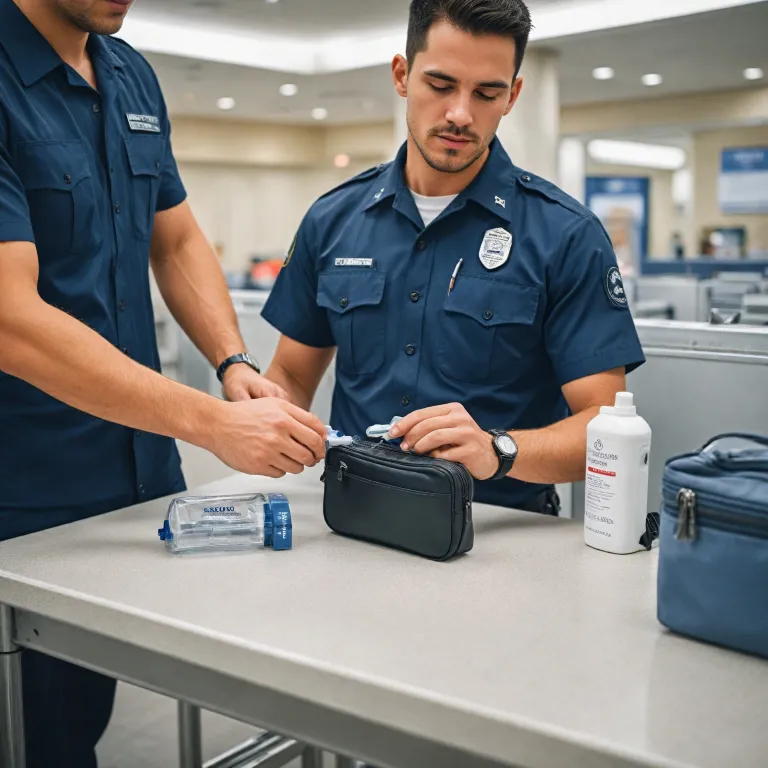
Understanding whether you can bring a shaver on an airplane
Many passengers ask can you bring a shaver on an airplane when preparing for international travel. Airlines and the TSA apply specific rules that distinguish between electric razors, disposable razors, and sharp safety razor blades, and these distinctions determine what is allowed in your carry bag or checked bags. To avoid delays at security, you must understand how these rules apply to your luggage and personal grooming routine.
In most cases, electric shavers and electric razors are allowed carry in both hand luggage and checked baggage. The TSA rules focus mainly on whether the blades are exposed sharp objects and whether any lithium ion battery inside the razor is considered a safety risk during traveling. Disposable razors and their cartridges are generally allowed in carry bags, while loose razor blades and some safety razor designs must go into checked luggage to prevent injury to security staff and baggage handlers.
When you bring razor devices that contain lithium batteries, you must pay attention to airline policies about spare batteries. Internal lithium ion batteries inside an electric razor are usually allowed in the cabin, but separate spare batteries often must not go in checked baggage because of fire risk. If you are unsure whether your razor plane ready device complies, pack it in your carry bag and be prepared to show that the blades are safely enclosed and not dangerously sharp.
Key differences between electric razors, disposable razors, and safety razors
Understanding can you bring a shaver on an airplane starts with knowing how the TSA classifies each razor type. Electric razors have enclosed blades and a built in battery, so they are typically allowed carry in both carry bags and checked bags without special restrictions. By contrast, traditional safety razor designs with removable razor blades are treated as sharp objects and must usually travel only in checked luggage.
Disposable razors and cartridge razors occupy a middle ground in these rules. Because their blades are fixed into a plastic head, these razors are allowed in hand luggage, and you can bring razor options of this type through security screening. However, if you pack separate razor blades or refill cartridges in your bag, you should place them in checked baggage to prevent injury to inspectors and avoid confiscation at the checkpoint.
Electric shavers with rechargeable lithium ion batteries raise additional questions about traveling safely. Most airlines accept these devices in the cabin, but they may restrict spare batteries or very large battery capacities in checked bags. If your grooming kit includes a high end razor handle or accessories, review airline guidance and product documentation, and for more detail on handle ergonomics you can read this analysis of the importance of the razor blade handle in electric shavers.
Managing batteries, lithium ion safety, and charging while flying
Questions about can you bring a shaver on an airplane often focus on battery safety. Modern electric razors rely on compact lithium ion batteries, and aviation regulators treat these batteries differently from older nickel metal hydride designs in both carry bags and checked luggage. The core concern is that damaged batteries in checked baggage could overheat unnoticed, so airlines prefer that most battery powered razors travel in the cabin.
When packing your electric shaver, check whether the battery is removable or sealed. If the lithium battery is built into the razor body, you can usually carry the entire razor plane side in your hand luggage without declaring it separately, although spare batteries must stay out of checked bags. Loose spare batteries should be placed in protective cases or original packaging to prevent injury from short circuits and to comply with TSA rules on exposed terminals.
Traveling with grooming electronics also raises practical questions about charging and hygiene. Many travelers pack cleaning sprays or coolants for their electric razors, and these liquids must respect cabin volume limits and be placed in transparent carry bags at security; for guidance on maintenance products, see this resource on the importance of cool care in electric shavers. If you expect to check bags on a long haul plane journey, consider keeping the razor and any essential spare batteries in your carry bag so you can shave before landing and avoid potential loss in checked baggage.
Packing strategies to prevent injury and protect your luggage
Even when the TSA confirms that you can bring a shaver on an airplane, how you pack it matters for safety. Exposed sharp objects such as loose razor blades or dismantled safety razor heads can cause injury baggage incidents for screeners and baggage handlers, so they must be secured in checked baggage. To prevent injury, place any sharp razor components in a rigid travel case or blade guard before putting them into checked bags or hand luggage.
Electric razors are less risky, but they still deserve careful packing. Store your electric shaver in a padded carry bag or dedicated grooming kit to protect the blades and battery from impact during traveling, especially if you also check bags that may be stacked or compressed. If you bring razor accessories such as spare batteries, charging stands, or clipper heads, group them in a single pouch so security officers can inspect them quickly without rummaging through your entire luggage.
Passengers who rely on both electric and manual razors should separate items by risk level. Keep allowed carry items like enclosed cartridge razors and your primary electric razor in hand luggage, while placing any loose razor blades or disassembled safety razor parts in checked luggage. For travelers who use hair clippers or trimmers alongside razors, a professional repair service can extend device life, and this guide to reliable hair clipper repair services near you explains how to maintain equipment between trips.
Navigating airport security, TSA rules, and airline policies
Security checkpoints are where the question can you bring a shaver on an airplane becomes most concrete. TSA officers apply standardized tsa rules, but individual airports and airlines may interpret grey areas differently, especially regarding sharp safety razor designs and lithium ion batteries. To reduce the risk of delays, pack your electric razors and disposable razors where they are easy to remove from your carry bag if requested.
When your hand luggage passes through X ray screening, officers look for dense electronics, sharp objects, and irregular shapes. An electric razor with an internal battery usually appears as a compact block, and if it is packed neatly with other grooming items, it rarely triggers extra checks, while loose razor blades or dismantled razors in carry bags are more likely to be pulled aside. If an officer questions whether a particular razor plane item is allowed carry, calmly explain whether the blades are fixed or removable and be prepared to move it to checked baggage if necessary.
Airlines sometimes publish additional guidance about checked luggage and grooming tools. Some carriers highlight that checked bags may be opened for inspection and that improperly packed sharp objects can cause injury baggage problems for staff, so they encourage passengers to use blade guards and rigid cases. Before traveling, review your airline’s baggage rules, especially if you plan to bring razor collections, multiple electric razors, or several spare batteries in both checked bags and carry bags.
Practical scenarios for business, leisure, and long haul travel
Real world situations illustrate how can you bring a shaver on an airplane plays out for different travelers. A business traveler on a short trip with only hand luggage might pack one compact electric razor with an internal lithium battery and a small disposable razor, both of which are allowed carry under TSA rules. Because there is no checked baggage in this scenario, the traveler must avoid loose razor blades or disassembled safety razor heads that would otherwise need to go into checked bags.
By contrast, a family traveling on holiday with multiple checked bags and carry bags may bring razor options for several people. Parents might place electric razors and cartridge razors in hand luggage for easy access, while packing any spare razor blades, extra safety razor handles, and non essential grooming tools in checked luggage to prevent injury during baggage handling. In this case, clearly separating sharp objects from clothing and using protective cases reduces the risk of injury baggage incidents for both the family and baggage handlers.
Frequent flyers often refine their packing routines after repeated security experiences. Many choose a single travel friendly electric razor with a reliable lithium ion battery, keep it in a dedicated carry bag pocket, and limit spare batteries to the minimum needed for the journey, while heavier grooming gear travels in checked baggage when necessary. Over time, these travelers learn how different airports apply tsa rules to razors, which helps them bring razor equipment on every plane trip with minimal disruption.
Expert tips to keep your shaving routine consistent while flying
Maintaining a consistent grooming routine while flying depends on more than just can you bring a shaver on an airplane. Choose electric razors with durable blades and efficient lithium ion batteries so you can shave several times between charges, reducing the need to carry spare batteries in your luggage. When possible, test your razor and battery life before traveling so you know whether it can handle a full itinerary without relying on checked bags for backup equipment.
Organizing your grooming kit also supports smoother airport experiences. Use a compact carry bag with separate compartments for electric razors, disposable razors, and any sharp safety razor components that must stay in checked luggage, and label pouches that contain razor blades or other sharp objects. This structure helps you comply with TSA rules quickly if officers ask you to remove items from your hand luggage or checked baggage for closer inspection.
Finally, think about how your shaving habits interact with time zones and cabin conditions. Dry cabin air can irritate skin, so some travelers prefer an electric razor in their carry bags for a gentle shave before landing, while keeping bulkier grooming tools in checked bags to avoid clutter. By aligning your packing strategy with airline baggage rules and your personal comfort, you can bring razor essentials on every plane journey while minimizing risk, respecting safety guidance, and protecting both your luggage and the people who handle it.
Key statistics on air travel and personal items
- Percentage of passengers who pack at least one razor or electric shaver in their luggage on international flights.
- Share of security delays linked to mispacked sharp objects such as razor blades and scissors in carry bags.
- Proportion of lithium ion battery incidents in aviation attributed to personal electronics in checked baggage.
- Average number of grooming items found in a typical traveler’s hand luggage during routine screening.
- Rate at which improperly packed razors cause injury baggage cases among airport security staff and baggage handlers.
Common questions about bringing shavers on airplanes
Can I take an electric razor in my carry on bag
Yes, most electric razors are allowed carry in hand luggage because their blades are enclosed and the internal lithium ion battery is considered low risk. Pack the razor in an accessible part of your carry bag in case security officers want a closer look. Avoid placing loose spare batteries in checked baggage and instead store them in protective cases inside your carry bags.
Are safety razors allowed in cabin baggage on international flights
Safety razors with removable razor blades are generally not allowed in hand luggage because the exposed blades are treated as sharp objects. You can usually bring the safety razor handle in your carry bag, but the blades themselves must go into checked luggage or checked bags. To prevent injury and comply with TSA rules, store the blades in a rigid case within your checked baggage.
What is the policy on disposable razors in carry on luggage
Disposable razors and cartridge razors are typically allowed carry in cabin baggage because their blades are fixed into a plastic head. You can bring razor cartridges in your carry bags, but it is wise to keep unopened packs in checked bags to reduce clutter at security. As always, ensure that any packaging does not contain loose razor blades that could be classified as prohibited sharp objects.
How should I pack razors to protect baggage handlers and security staff
To protect baggage handlers and prevent injury baggage incidents, always cover sharp edges and store razors in sturdy cases. Loose razor blades and dismantled safety razor parts belong in checked baggage, ideally inside a small rigid box or blade guard. Electric razors can travel in either checked luggage or hand luggage, but a padded carry bag helps shield both the blades and the internal battery from impact.
Do airlines have different rules from the TSA about razors and batteries
While TSA rules set a baseline for what is allowed carry, individual airlines may impose stricter limits on lithium ion batteries and sharp objects. Before traveling, review your carrier’s baggage rules, especially if you plan to check bags containing multiple electric razors, spare batteries, or large grooming kits. When in doubt, keep essential razors in your carry bag and be prepared to move non essential items to checked bags at the check in counter.