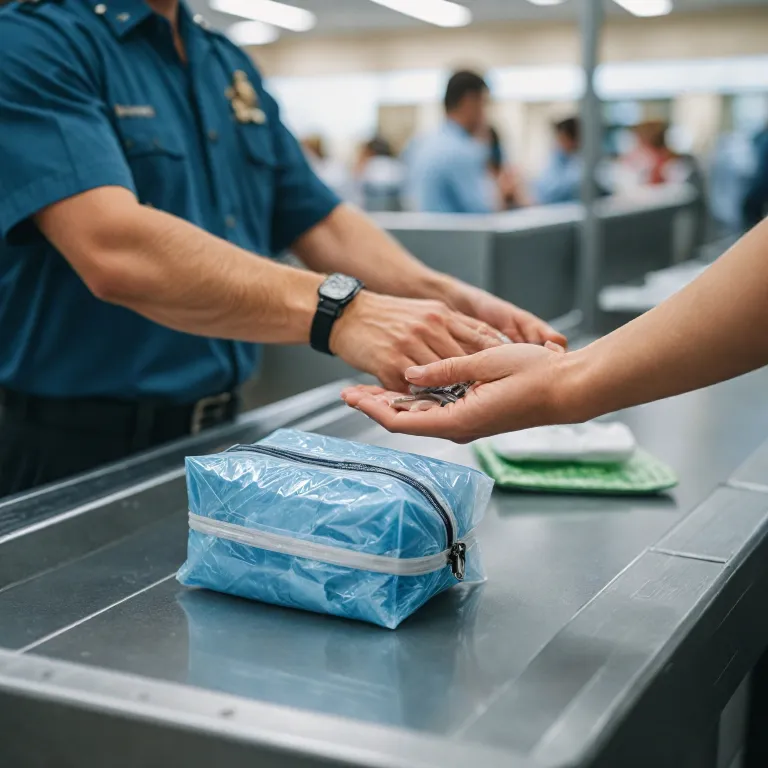
Understanding when you can bring a razor on a plane
Many travellers ask can i bring a razor on a plane when packing luggage. The answer depends on how sharp the blades are, how the razors are built, and whether you use electric shavers or manual models. Airlines apply international safety standards, but each airport can interpret security rules slightly differently, so passengers must prepare carefully.
In hand luggage, most airports treat disposable razors and cartridge razors as low risk items. These razors have blades encased in plastic heads, so airport security usually considers such razors allowed in the cabin, provided you pack them securely in a toiletry bag. You can bring razor handles with detachable heads in your carry luggage, but loose razor blades are rarely allowed carry in the cabin because they are considered cutting tools.
Electric shavers are generally allowed hand items, as their electric blades are shielded by foils or rotary guards. You can bring razor models that are cordless or rechargeable, but you should protect the shavers in a case to avoid damage in crowded hand luggage. If you carry checked baggage as well, placing spare blades or extra razors in checked luggage reduces the risk of security delays.
For straight razors and traditional safety razor designs, the rules are stricter in the cabin. Most airlines and airport security agencies require these razors and their razor blades to go in checked luggage because the exposed blades are considered dangerous. When in doubt about whether you can bring razor items in hand luggage, check the airline rules before your flight and print them in case security staff question your shaving kit.
Manual razors, safety razors and what belongs in checked luggage
Travellers who love traditional shaving often worry can i bring a razor on a plane without losing expensive gear. Manual razors come in several forms, including disposable razors, cartridge razors, safety razor models and straight razors, and each type faces different airport security rules. Understanding how airlines classify each razor helps you decide what to carry and what to place in checked baggage.
Disposable razors with fixed heads are usually razors allowed in the cabin because their blades are moulded into plastic. Cartridge razors with removable heads are also commonly allowed hand items, as long as the blades remain locked inside the cartridges during the flight. You should still pack these razors in a small pouch inside your hand luggage to prevent accidental cuts when you reach for toiletries.
Safety razor handles without blades are sometimes allowed carry in hand luggage, but the loose razor blades that fit them almost always belong in checked luggage. Many airlines state that a safety razor with blades installed must travel in checked baggage, so separate the handle and blades before you pack. If you want detailed guidance on why safety blade razors matter for electric shaver users, consult this expert resource on safety blade razors and electric grooming.
Straight razors are treated even more strictly because their long blades can be used as weapons. Most airport security agencies require straight razors to be in checked luggage only, and some airlines even discourage transporting them at all. When planning a long flight, consider whether you truly need to bring razor gear of this type, or whether a small electric shaver or disposable razors in carry luggage will meet your shaving needs more safely.
Electric shavers on planes and battery safety rules
People who rely on electric shavers often ask can i bring a razor on a plane without damaging the device. The good news is that most airlines treat an electric razor as an electronic personal care item, similar to a hair dryer or toothbrush. This means an electric shaver is usually allowed hand or in checked baggage, provided you respect battery safety rules and pack the shaver correctly.
When you bring razor devices that use built in lithium batteries, many airlines prefer them in hand luggage rather than checked luggage. Cabin crew can respond more quickly to rare battery incidents, so airport security often encourages passengers to carry electric shavers in the cabin. To protect the blades and foils, place the shavers in a rigid case and ensure the power switch is locked or covered before the flight.
If your electric razor uses removable batteries, you should carry spare cells in hand luggage with terminals taped or in original packaging. Never pack loose batteries in checked baggage, because most security rules prohibit unprotected cells in the hold. For travellers who want to maintain performance, this guide on choosing and using blade oil for an electric shaver explains how proper lubrication keeps blades efficient even after long trips.
Electric shavers are rarely the reason a razor plane inspection fails, but careless packing can still cause delays. If security staff cannot see the blades clearly on scanners, they may open your carry luggage for manual inspection. To minimise disruption, keep your electric razor near the top of your bag, separate from dense electronics, and be ready to remove it when airport security requests additional screening.
How airport security handles inspections, delays and passenger rights
Even when you follow every guideline about can i bring a razor on a plane, inspections can still feel stressful. Airport security officers must balance passenger convenience with safety, so they sometimes interpret rules cautiously when they see blades or shavers. Understanding how inspections work helps you stay calm and protect your passenger rights during the process.
When your hand luggage passes through the scanner, dense toiletry bags containing razors, razor blades and electric shavers may trigger extra checks. Officers can ask you to remove the razor, show that blades are enclosed, or confirm that sharp items are in checked luggage rather than the cabin. If they decide a safety razor or straight razor breaches security rules, they may offer you the choice to surrender the item, return to check in, or place it in checked baggage if time allows.
Delays at the checkpoint can sometimes cause a missed flight, which raises questions about flight compensation and responsibility. If airport staff, rather than the airline, caused the delayed departure, compensation rules may differ from cases where airlines cancel flights for operational reasons. You should document the time spent at security, keep any written notes about why your razors were questioned, and later ask the airline whether passenger rights include any form of compensation.
In rare cases, disputes about whether razors allowed in one airport are banned in another can create confusion. When you bring razor equipment that is expensive, such as premium electric shavers or collector straight razors, photograph the items before travel in case of loss. If your checked baggage containing blades or shavers is delayed or damaged, airline policies on luggage handling and compensation will determine whether you receive reimbursement for replacement costs.
Packing strategies to keep shaving gear safe and compliant
Thoughtful packing is essential when you ask can i bring a razor on a plane and avoid problems. Start by separating items that are clearly allowed hand, such as disposable razors, cartridge razors and most electric shavers, from items that must go in checked luggage. Use labelled pouches so you can show airport security exactly where each razor and set of blades is stored.
For carry luggage, place razors with enclosed blades in a transparent toiletry bag alongside liquids. This makes it easier for airport staff to see that the razors allowed in the cabin pose minimal safety risk under current security rules. Keep the bag near the top of your hand luggage so you can remove it quickly if officers want to inspect your shaving kit separately.
In checked baggage, wrap safety razor handles, straight razors and spare razor blades in protective cases or blade guards. This protects baggage handlers and inspectors from accidental cuts and reduces the chance that your razor plane items will be removed for safety reasons. If you pack an electric razor in checked luggage, switch it off firmly, consider removing batteries when possible, and cushion the shaver between soft clothes.
Frequent travellers often create a dedicated travel shaving kit with compact electric shavers and a small supply of disposable razors. This approach simplifies the question of can you bring razor items on every flight, because the kit always meets airline rules. By standardising how you pack, you reduce the risk of delayed security checks, minimise damage to your razors, and maintain a consistent shaving routine wherever you fly.
Managing missed flights, compensation and grooming after long journeys
Travel disruptions can complicate even simple questions like can i bring a razor on a plane and still arrive prepared. When security checks on blades or shavers contribute to a missed connection, passengers naturally ask whether flight compensation is possible. The answer depends on whether the delay was within the airline’s control and how passenger rights are defined in the region where you travel.
If your flight is delayed because of operational issues, airlines may owe compensation, meals or hotel vouchers. However, when extra screening of luggage, razors or electric shavers causes the delay, responsibility may shift toward airport authorities rather than the carrier. You should keep boarding passes, note the time of each security interaction, and later submit a clear timeline when requesting any form of compensation.
When checked baggage containing your shaving kit is delayed, you may land without access to razors, razor blades or electric shavers. Many airlines offer limited reimbursement for essential items, which can include a basic razor, shaving cream and toiletries purchased at the airport. Check the airline rules on delayed checked luggage, keep receipts for emergency shaving supplies, and file claims promptly to protect your passenger rights.
Long journeys also raise skin care questions for people who rely on electric shavers. Dry cabin air, disrupted sleep and rushed routines can make post flight shaving uncomfortable, especially when you finally bring razor tools out after many hours. For guidance on protecting your skin, this article on whether to exfoliate before or after using an electric shaver explains how to reduce irritation and maintain a professional appearance after demanding travel days.
Key statistics about air travel safety and luggage handling
- Global aviation safety reports show that prohibited sharp items account for a small fraction of overall security incidents, but they trigger a disproportionate number of secondary bag inspections.
- Industry data indicates that a significant share of delayed checked baggage cases involve bags containing dense or complex items, such as electronics and personal care devices, which often include electric shavers.
- Surveys of frequent flyers reveal that many passengers remain uncertain about whether razors allowed in one region are treated the same way in another, leading to inconsistent packing habits.
- Compensation claims related to missed flights and delayed luggage continue to rise, reflecting growing awareness of passenger rights and the importance of clear airline rules.
Common questions about bringing razors and shavers on planes
Can I bring disposable razors in my hand luggage
Most airports allow disposable razors in hand luggage because their blades are embedded in plastic heads. You should place them in a transparent toiletry bag so airport security can see that the blades are not loose. Always check your airline’s latest rules, as local regulations can refine how razors allowed in the cabin are defined.
Are electric shavers allowed in carry on bags
Electric shavers are generally allowed hand items and can travel in carry luggage or checked baggage. Airlines usually prefer devices with lithium batteries to stay in the cabin, where crew can respond quickly to rare battery issues. Pack your electric razor in a protective case, lock the power switch and be prepared to remove it during screening if requested.
Where should I pack safety razors and spare blades
Most security rules require safety razor blades and straight razors to travel in checked luggage rather than the cabin. You can often carry the safety razor handle in hand luggage, but loose razor blades must be secured in checked baggage. Use blade guards or small boxes to protect both the blades and anyone who handles your luggage.
What happens if security finds a prohibited razor in my bag
If airport security finds a razor or blades that are not allowed carry in the cabin, they may confiscate the item or ask you to return to check in. When time permits, you might be able to place the razor in checked luggage instead of surrendering it. Always remain calm, ask officers which rules apply, and request a written note if the incident contributes to a delayed departure.
Can issues with my shaving kit affect flight compensation
Screening delays linked to razors, blades or electric shavers can contribute to missed flights, but compensation depends on who is responsible. When the airline causes the delay, passenger rights may include vouchers or partial refunds, while security driven delays are often treated differently. Keep detailed records of timing and conversations so you can present a clear case if you later request flight compensation related to luggage inspections.