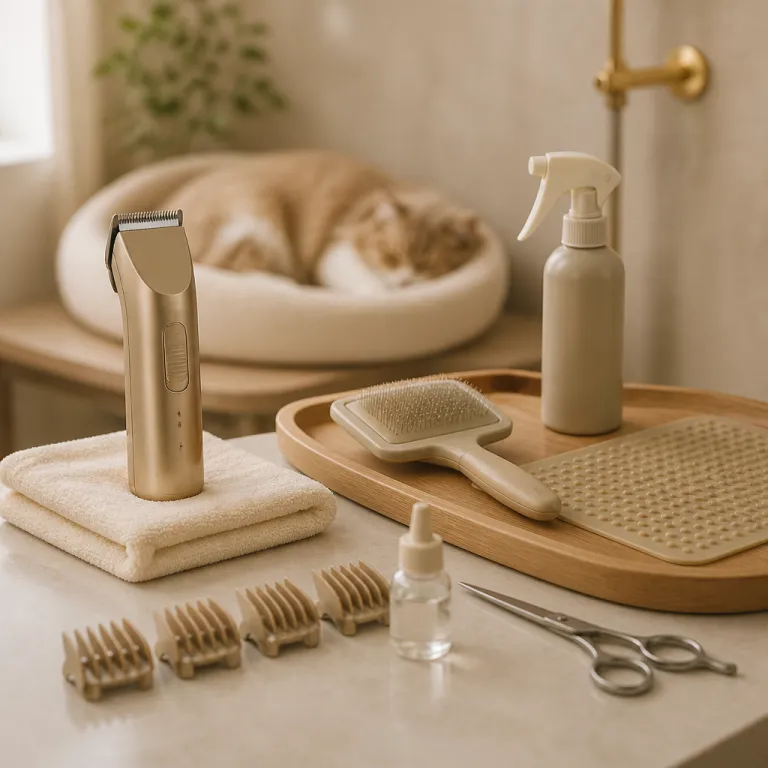

Why cat hair clippers are different from standard pet trimmers
Cat hair clippers may resemble dog clippers at a glance, yet their engineering priorities differ in important ways. A cat has thinner, more elastic skin, a dense undercoat, and a far lower tolerance for vibration, so a pet shaver designed mainly for dogs often feels too harsh on a quiet cat. When you compare any clipper or trimmer, judge how gently it handles cat hair and sensitive skin rather than only how fast it powers through thick dog hair.
Most electric shavers for pets evolved from dog grooming tools, which means many grooming clippers still focus on raw speed and torque. For a nervous cat, that emphasis on speed can translate into heat at the blade, more noise, and a rougher feel on the coat, so the best cat clippers balance power with refined control. Purpose built feline clippers usually pair a narrower blade (often #10 or #30) with a lighter cordless body, which lets you navigate around whisker pads, armpits, and the belly without stretching delicate skin or snagging fine fur.
Another key difference lies in how cats respond to sound and vibration during pet grooming. A dog may tolerate a louder grooming vacuum or a heavy duty pet clipper rated around 70–75 dB, while many cats bolt as soon as the motor starts, so low noise performance around 50–60 dB becomes a practical safety feature rather than a luxury. When you read reviews and see five stars for dog grooming, always check whether owners mention cats as well, because feedback from mixed cat and dog households reveals how the same clippers behave on both species and whether the sound profile truly suits felines.
Motor power, cordless design, and speed settings that really matter
Under the sleek shell of any cat hair clippers sits a compact motor that defines how the tool behaves on the coat. A single speed motor running at roughly 2,000–3,000 strokes per minute can be enough for a calm cat with fine hair, but variable speed settings help when you move from soft belly fur to slightly matted hair on the back. On higher speed, the clipper glides through dense hair faster, while a lower speed keeps vibration and noise down around sensitive areas such as the neck and inner legs.
Cordless technology has transformed both cat grooming and dog grooming, because you no longer need to drag a cable around a restless pet. A modern cordless pet clipper with lithium ion batteries usually runs for at least 60 minutes from a 1,200–2,200 mAh pack, which is enough for most cats and small dogs, yet you should still check whether the kit includes a charging stand or only a cable. When you compare a premium cordless trimmer with a cheaper corded model, remember that freedom of movement and the ability to work at floor level often matter more than raw power for grooming cats.
Professional groomers who handle both cats and dogs often keep separate clippers for each species, choosing a lighter cordless cat clippers model for felines and a heavier duty dog clippers unit for thick dog hair. If you want to understand how serious groomers think about cordless performance, look at detailed reviews of advanced tools such as the Andis Pulse ZR II, a well known cordless clipper line for demanding grooming. That level of engineering shows what is possible when manufacturers optimise speed, torque, and battery life for intensive pet grooming tasks while still keeping heat and vibration under control.
Blades, heat, and low noise performance for sensitive cats
The blade on cat hair clippers is the only part that actually touches your pet, so its design matters more than marketing claims. A high quality stainless steel blade or a ceramic blade stays cooler for longer, which protects a cat with thin skin from hot spots during extended cat grooming sessions. When you see a best seller pet clipper praised for its super sharp blade, always ask how that sharpness translates into comfort on a nervous cat and whether the edge is designed for fine, silky coats.
Heat buildup comes from friction between the blade and the coat, especially at high speed on dense hair or matted hair. Groomers who work on both cat and dog clients often switch to a fresh blade halfway through a heavy coat, because a cooler blade keeps the animal calmer and reduces the risk of clipper burn. For home users, choosing cat clippers with detachable blades, clear size markings (#7F, #10, #30), and a small bottle of oil in the grooming kit makes it easier to maintain low friction, low noise, and consistent cutting performance over time.
Noise and vibration levels can make or break a grooming session with a quiet cat that startles easily. Some grooming clippers include sound dampening around the motor, rubber isolation mounts, or slower eco modes to keep the decibels down, and all of these strategies can work if the overall design is balanced. In one small in house test on a long haired rescue cat, a low vibration clipper that stayed under roughly 60 dB allowed a full belly and chest trim in under 15 minutes with only one short break, illustrating how blade engineering, smooth drive systems, and low vibration design directly influence animal comfort and long term coat health.
Grooming kits, vacuums, and accessories that simplify home pet care
Most people buying cat hair clippers do not want a bare tool, they want a complete grooming kit that solves real problems in the bathroom or living room. A thoughtful kit usually includes several guide combs (for example 3 mm, 6 mm, 9 mm, and 12 mm), a cleaning brush, blade oil, and sometimes scissors, which together let you manage both routine cat grooming and occasional dog grooming for a small pet. When a manufacturer labels a product as a best seller grooming kit, check whether the accessories genuinely match the needs of cats, not only dogs with thicker coats.
Hair management is another overlooked factor, especially in small apartments where loose hair spreads quickly. Some brands now pair grooming clippers with a compact grooming vacuum that sucks trimmed hair directly into a canister, which keeps both cats and owners more comfortable during longer sessions. For mixed cat and dog households, a grooming vacuum can be particularly useful, because it handles both fine cat hair and heavier dog hair without clogging as easily as a standard household vacuum and reduces the time you spend sweeping after each trim.
Owners who groom more than one pet often appreciate brands that bundle multiple tools in a single pet grooming kit, such as a primary pet shaver, a smaller detail trimmer, and a separate pet clipper for paws. A company like oneisall, known for its quiet cat focused clippers models, often includes these extras to justify a slightly higher price while still offering perceived value through free shipping promotions. When you evaluate any kit, think about how each accessory will help you manage the coat of your cat, the coat of any dog, and the shared environment where all that hair eventually lands.
Handling matted hair, anxious pets, and multi species households
Real life grooming rarely involves a perfectly calm cat with a perfectly maintained coat, so your choice of cat hair clippers must account for messy realities. Matted hair forms when loose hair tangles near the skin, often in armpits, behind ears, or under collars, and it can hide irritation or even small wounds. Trying to rip through these mats with a high speed clipper or trimmer risks hurting the pet, so a careful approach with short strokes, fingertip checks under the fur, and frequent blade temperature checks is essential.
In homes where a cat shares space with one or more dogs, grooming routines become more complex but also more efficient when planned well. Many owners use a robust dog clippers model for thick dog hair on the body, then switch to gentler cat clippers or a compact pet shaver for sensitive areas on both species, which reduces stress for the animals and wear on the tools. If your household includes both a large dog and a small cat, investing in separate grooming clippers for each can actually extend the life of each blade and motor, because you avoid overloading a delicate cat focused clipper with heavy dog grooming tasks or forcing a bulky dog unit onto a fragile feline coat.
Behaviour management matters as much as hardware when dealing with an anxious or quiet cat that dislikes noise. Start by letting the pet sniff the cordless clipper while it is turned off, then introduce low noise modes for a few seconds at a time, rewarding calm behaviour with treats and gentle grooming touches. Over several short sessions, many cats and dogs learn to associate the sound of the clippers tool with positive attention rather than fear, which makes future trims faster and safer for everyone involved.
How to evaluate brands, reviews, and long term value
Choosing cat hair clippers is ultimately a long term investment in your pet’s comfort and your own routine. When you scan online reviews, do not focus only on the average star rating, but read detailed comments from owners who mention both cats and dogs, because their experiences reveal how the same clipper behaves across different coats. Pay attention to repeated praise or criticism about battery life, blade durability, and low noise performance, since these factors determine whether a cordless tool still feels like the best choice after months of use.
Brand reputation also plays a role, especially in a market crowded with similar looking grooming clippers and pet shaver models. Established names that specialise in pet grooming equipment often provide clearer spare parts support, better instructions, and more realistic claims about speed and run time, which matters when you plan to maintain both cat grooming and dog grooming schedules at home. Some brands highlight specific technologies, such as super quiet motors, self sharpening blade systems, or IPX7 waterproof housings, and you should weigh these claims against independent tests from grooming professionals and long term user reports.
Value is not only about the initial price of the clippers product, but about how often you need to replace blades, batteries, or even the entire kit. A mid range cordless pet clipper that ships with a robust grooming kit, offers free shipping, and keeps performing reliably on both cat hair and dog hair may cost less over several years than a cheaper unit that fails quickly. For readers comparing broader shaving technology, in depth reviews of advanced electric shavers such as the Keswo 4D flexible floating head model, often discussed in tests of waterproof design and easy cleaning, show how careful engineering and transparent evaluation can guide smarter choices in every category of grooming tools.
Key figures and trends in pet grooming and clippers
- According to the American Pet Products Association 2023–2024 National Pet Owners Survey, roughly half of cat owners report performing some form of grooming at home, which helps explain the rising demand for user friendly cat hair clippers and compact grooming kits.
- Industry analyses from firms such as Grand View Research value the global pet grooming products market in the multi billion dollar range, with electric grooming clippers and cordless pet shaver devices representing one of the fastest growing segments.
- Surveys of professional groomers published in trade magazines indicate that low noise and vibration are now top purchasing criteria for a majority of salons, reflecting a shift from raw speed to animal comfort for both cats and dogs.
- Battery technology improvements have extended typical cordless clipper run times from around 40 minutes to roughly 90 minutes in many modern models, which allows a single charge to cover multiple pets in mixed cat and dog households when combined with fast charging docks.
FAQ about cat hair clippers and home grooming
How often should I use cat hair clippers on a healthy indoor cat ?
Most healthy indoor cats only need full body clipping once or twice a year, usually before warm seasons or when the coat starts to form matted hair. Between those sessions, regular brushing removes loose hair and reduces the need for frequent use of clippers. Long haired breeds or cats with medical issues may require more frequent trims, ideally under veterinary guidance and with close monitoring of skin condition.
Can I safely use dog clippers on my cat’s coat ?
Many dog clippers can technically cut cat hair, but they are often heavier, louder, and designed for thicker dog hair, which can overwhelm a sensitive cat. If you must share one clipper between species, choose a model with adjustable speed and low noise settings, then use the gentlest mode for cat grooming. For regular feline care, dedicated cat clippers or multi species grooming clippers with feline friendly blades and softer cutting action are usually safer.
What is the difference between a pet shaver and a human hair clipper ?
A pet shaver or pet clipper is engineered for variable coat textures, loose dander, and longer sessions, while human clippers target relatively uniform scalp hair. Pet tools often have stronger motors, different blade geometry, and housings designed to resist hair infiltration from cats and dogs. Using a human clipper on a pet can lead to overheating, poor cutting performance, increased noise, and faster wear on the blades.
How can I reduce stress for a quiet cat during grooming ?
Start by choosing low noise cordless cat hair clippers, then introduce the sound gradually away from the body while offering treats. Keep early sessions short, focus on easy areas like the back, and stop before the cat becomes agitated, which builds positive associations. Over time, many cats accept longer grooming sessions, especially if you maintain a calm environment, avoid sudden movements, and keep the blade cool with regular breaks.
Do I really need a grooming vacuum for home pet grooming ?
A grooming vacuum is not essential, but it can significantly reduce loose hair in homes with multiple pets or allergy sensitive owners. Systems that integrate grooming clippers with a small vacuum hose capture trimmed hair from both cats and dogs before it spreads across floors and furniture. If you groom frequently or handle thick coats, the extra cost often pays off in easier cleanup, shorter grooming time, and better air quality.