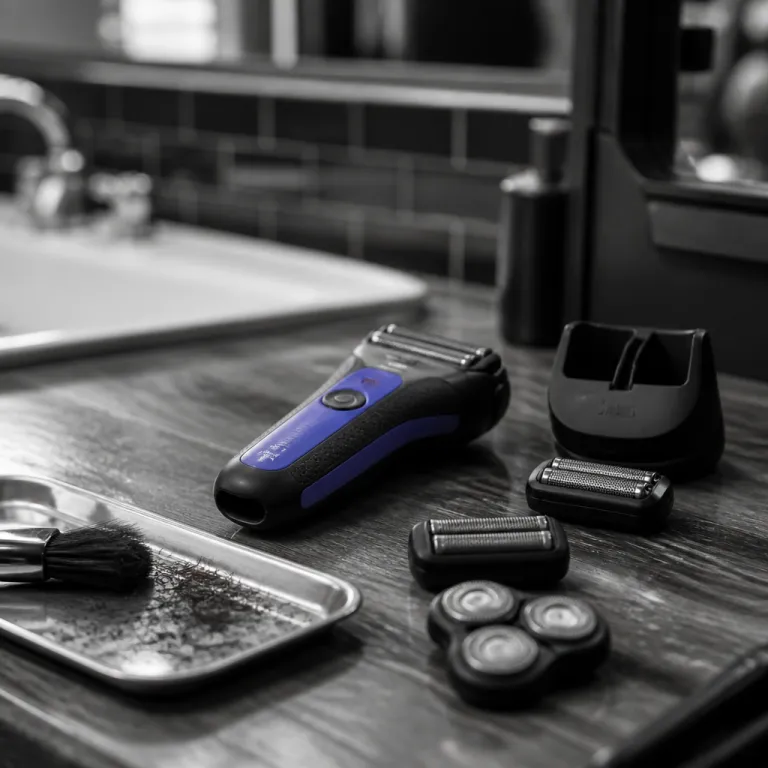
AI electric shaver technology real vs marketing on your bathroom shelf
AI electric shaver technology real vs marketing stops being an abstract debate the moment you are staring at three different boxes in a store aisle. One electric shaver promises an intelligent razor that reads beard density in real time, another electric razor claims AI pressure sensing, and a third from Braun quietly mentions a sensor without any artificial intelligence buzzword at all. For busy men who just want a fast shave on the face and neck, the gap between real engineering and marketing poetry matters more than any glowing OLED display.
When brands talk about AI in electric shavers, they usually mean a simple sensor plus a control algorithm that adjusts motor power, not a neural network that learns your skin like a dermatologist. Philips uses SenseIQ in some Philips Norelco and Philips Prestige Ultra models, typically sampling beard density up to 125 times per second and tweaking power output, while Panasonic Arc models rely on an Intelligent+ Beard Sensor that scans resistance roughly 200 times per second and modulates speed. Dreame and a few newer products in the shaver market talk about AI pressure sensing, but they rarely explain whether the razors are actually learning or just flashing a light when you press too hard during shaving.
The one feature that consistently improves the shaving experience is real time motor adjustment based on how much hair and skin resistance the blades encounter. In practice, that means a foil shaver or rotary shaver quietly adds power when it hits a dense patch on the jawline, then eases off on the cheeks to protect sensitive skin from heat and friction. Braun Series models do this without shouting about AI, while some electric shavers with louder claims feel no smarter than a basic cordless razor that simply runs at full power all the time.
What AI really means inside an electric shaver
Inside most electric shavers that claim intelligence, the core technology is surprisingly modest. A tiny piezoelectric or current sensing component measures load on the motor, the control board compares that signal to preset thresholds, and then the shaver increases or decreases power in small steps to keep the shave consistent. That is clever engineering for grooming tools, but it is not the kind of AI that learns your beard density pattern over time or maps every contour of your face and neck.
Philips SenseIQ, for example, rapidly samples beard density and adjusts motor power to maintain cutting speed, which helps the blades avoid stalling in thick hair. Panasonic Arc models with Intelligent+ Beard Sensor scan at a similarly high rate and still deliver a close shave because their linear motors often run around 14,000 cutting actions per minute and maintain strong speed even when resistance spikes. In both cases, the electric shaver is reacting in real time, but it is not storing data about your shaving habits or building a profile of your skin type for future sessions.
The Dreame S9 Pro and similar intelligent shaver products push the AI electric shaver technology real vs marketing narrative even harder, promising AI pressure sensing that protects sensitive skin. Under the hood, this usually means a pressure sensor in the handle that triggers vibration or a light when you press the razor too firmly, which is helpful but not revolutionary. No widely available electric shavers have been shown to genuinely learn over time, so when a brand hints that the shaver will adapt to your grooming routine week after week, you should read that as marketing shorthand for a fixed feedback loop rather than evolving intelligence.
Foil shavers, sensors and the one feature that actually matters
For most men who shave daily, the choice is not AI versus no AI, but which foil shaver or rotary shaver handles real world hair growth with the least fuss. A good foil design, like the Braun Series 9 Pro or a high end Panasonic Arc 5, already gives a close shave by combining sharp blades, efficient foils and strong motors, long before any AI label enters the picture. When you compare these electric shavers to cheaper razors in the same shaver market segment, the difference you feel is usually motor stability under load, not a magical algorithm.
Real time power control is the quiet hero feature that separates a premium electric shaver from a budget cordless razor that bogs down on thick stubble. When the motor senses extra resistance from dense hair on the chin, it briefly boosts power so the blades keep cutting cleanly instead of tugging, which protects sensitive skin and reduces redness. The same system then dials back power on the cheeks or neck, where less hair means less resistance, so the shaving experience feels smoother and the foil stays cooler against the face and neck.
If you are weighing AI electric shaver technology real vs marketing, focus less on the buzzword and more on whether the spec sheet mentions adaptive motor control or beard density sensing. Braun calls it AutoSense in the Braun Series line, Panasonic talks about Intelligent+ Beard Sensor in the Arc family, and Philips Norelco uses SenseIQ in several series pro models. All three approaches aim to keep cutting speed stable across different hair types and lengths, which matters far more than whether the box says AI or just smart sensor when you are trying to finish a wet dry shave before work.
How to read spec sheets without getting fooled
Spec sheets for electric shavers are written to impress, not to clarify. You will see claims about AI, intelligent shaver modes, turbo power, and even market growth level language about next generation grooming technology, but only a few lines really predict how the razor will behave on your skin. Look for motor speed in cutting actions per minute, mention of beard density sensing, and whether the shaver is designed for wet dry use in the shower or only for dry shaving at the sink.
Ignore vague phrases like smart adaptation or facial mapping if the brand never explains what sensors are inside the electric razor or how often it adjusts power. Pay more attention to whether the foil is a proven design, how often the blades need replacement, and whether the cordless battery still holds enough charge after two or three years of daily shaving. When you compare a premium model to a mid range option, resources like this guide to what a 50 euro electric razor actually delivers can help you decide if the extra money buys real engineering or just AI themed packaging.
For a busy man who wants one shaver to last, the smartest move is to treat AI electric shaver technology real vs marketing as a filter, not a destination. Use the AI claim to identify which products at least include a sensor, then dig deeper into reviews that mention long term reliability, battery health and foil durability. The shaver market is crowded with products that look futuristic on day one, but the real test is whether the razors still give a close shave on sensitive skin after hundreds of charge cycles and thousands of passes over your face and neck.
Brand by brand: who is selling AI and who is just shaving well
When you line up the big names in electric shavers, the contrast between AI electric shaver technology real vs marketing becomes sharp. Philips leans heavily into SenseIQ branding on some Philips Norelco and Philips Prestige Ultra models, Panasonic highlights Intelligent+ Beard Sensor on its Arc series, while Braun quietly ships Braun Series 7, 8 and 9 Pro with adaptive sensors but almost no AI language. That leaves men comparing razors in a confusing shaver market where the loudest AI claims do not always match the best shaving experience.
Philips rotary shavers with SenseIQ genuinely adjust power based on beard density, which helps when your hair is patchy or you shave every two or three days instead of daily. However, the rotary head design can struggle on very flat lying hair on the neck, and cleaning the multiple rotary chambers takes more time than rinsing a simple foil shaver under the tap. For some users with sensitive skin, the circular motion of these electric shavers can cause more irritation on the face and neck than a well tuned foil design, even when the AI system is working as advertised.
Panasonic Arc models, especially the Arc 5, pair a very fast linear motor with Intelligent+ Beard Sensor, so they rarely slow down even on heavy growth. That combination of raw power and responsive control can deliver a very close shave, but it also means the blades and foils demand regular cleaning and timely replacement to stay gentle on the skin. If you skip maintenance, the same power that once glided through hair can start to feel harsh, which is a reminder that no intelligent shaver can compensate for dull blades or clogged foils over time.
The Braun approach and the price of honesty
Braun takes a different path by avoiding AI language entirely on its Braun Series models, even though they use sensors to adapt power to beard density in real time. The AutoSense system in the Braun Series 9 Pro, for example, continuously measures resistance and adjusts motor output, which is functionally similar to what Philips and Panasonic do under their AI banners. Braun seems to bet that long term trust in its foil shaver engineering matters more than chasing short term market growth with trendy labels.
This quieter strategy may cost Braun some sales among shoppers who equate AI with modernity, especially in regions where electric grooming products are marketed aggressively with smart features. Yet when you look at independent tests and long term user reports from consumer review sites and shaving forums, Braun razors often rank higher for comfort on sensitive skin and for reliability after several years of daily shaving. That suggests honesty about what the products actually do can build a different kind of authority than bold AI promises on the box.
If you are trying to decide whether a 200 euro shaver is worth it, focus on build quality, motor design and foil durability before you pay extra for AI branding. Detailed breakdowns of premium shaver pricing show that much of the cost goes into materials, machining and battery chemistry, not just software or sensors. In that light, AI electric shaver technology real vs marketing becomes a secondary question, because the real value lies in how the razor shaves on your face and neck after hundreds of hours of use, not how clever the algorithm sounded in the advertisement.
How to choose the right shaver in an AI saturated market
Choosing the right electric shaver in an AI saturated shaver market starts with your skin, not with the spec sheet. If you have sensitive skin or shave daily, a high quality foil shaver from Braun or Panasonic usually beats a flashy but unproven intelligent shaver that leans on AI language. Men with tougher skin and mixed beard density might tolerate more experimentation, but even then the basics of blades, power and ergonomics matter more than any promise of facial mapping.
First, decide your preferred shaving style, whether you want a quick dry shave at the sink or a wet dry routine with foam in the shower. Then match the shaver type to your hair pattern, because coarse, dense hair on the chin and jaw often responds better to strong foil designs, while lighter growth on the cheeks can work with many electric razors. If you regularly skip days between shaves, look for electric shavers with robust motors and real time power adjustment, because long stubble puts more strain on the blades and can expose weak designs quickly.
Second, think about maintenance and total cost over time, not just the purchase price. Replacement foils and blades for premium razors can be expensive, but they are essential to keep the shaving experience smooth and protect sensitive skin from tugging or heat buildup. Before you buy, check how often the brand recommends changing parts, how easy it is to clean the shaver under water, and whether the cordless battery is known to hold charge well after a couple of years of daily use.
Practical checks before you buy into AI claims
There are a few simple checks that cut through AI electric shaver technology real vs marketing noise when you compare products. Look for clear statements about beard density sensing, motor speed and whether the shaver adjusts power continuously or only in fixed steps, because smoother adjustment usually feels gentler on the skin. Check if the model supports wet dry use, has a travel lock, and offers at least 40 to 60 minutes of cordless runtime, which covers several days of grooming for most men.
For water resistant models, independent reviews and long term user reports can reveal whether seals and coatings hold up over time. Pay attention to comments about noise, vibration and heat, because these small details often matter more to daily comfort than any AI feature that claims to optimize your shave. When a shaver feels balanced in the hand, glides easily over the face and neck, and leaves your skin calm after a close shave, that is real intelligence expressed through design rather than through marketing language.
Finally, remember that the shaver market will keep pushing AI as long as it supports higher prices and market growth, but your face only cares about results. A solid Braun Series foil shaver, a well tuned Panasonic Arc or a carefully chosen Philips Norelco can all serve you well if you match them to your skin type and grooming habits. The smartest choice is not the razor with the most AI claims, but the one that still gives a comfortable, efficient shave in real time three years from now, because the real test of any electric shaver is not the closeness in week one, but the closeness in year three.
Key figures behind AI electric shaver claims
- Philips SenseIQ systems in Philips Norelco shavers and Panasonic Intelligent+ Beard Sensor technology both rely on fast feedback loops that sample beard density frequently and adjust power accordingly, with typical sampling rates in the low hundreds of measurements per second according to product documentation, and these are described as responsive control systems rather than complex deep learning models.
- Consumer research cited in grooming industry reports suggests that attaching an AI label to an electric shaver can increase perceived value and willingness to pay by 10–20%, even when the underlying sensor technology is similar to non AI models in the same price band.
- Market analyses of the global shaver market show steady market growth for premium electric shavers and electric razors, with high end foil shaver and rotary shaver segments expanding faster than low cost corded models, driven partly by marketing around smart and AI enabled grooming products.
- Independent endurance tests on popular Braun Series, Panasonic Arc and Philips Norelco models report that lithium ion batteries in modern cordless razors typically retain around 70–80% of their original capacity after several years of regular use, which has a larger impact on daily shaving experience than any AI feature.
- Technical teardowns of intelligent shaver products show that most AI labelled systems rely on one or two additional sensors and a modest increase in processing power, adding only a small fraction to manufacturing cost compared with the price premium often charged at retail.