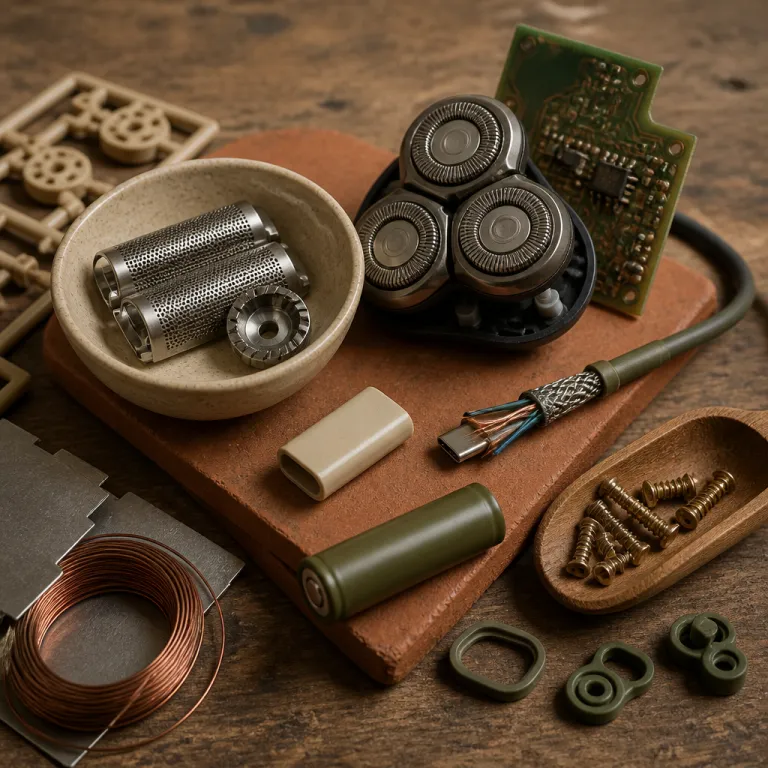
Why usb-c electric shaver charging 2026 is the new baseline, not a luxury
For busy men who shave most days, the shift to usb-c electric shaver charging 2026 is not a tech fad, it is a sanity upgrade. When your electric shaver, phone, mini electric earbuds, hair trimmer and even your toothbrush all share one cable, the daily ritual of shaving stops depending on a fragile proprietary charger that can ruin a work trip. In real bathrooms and cramped hotel rooms, the best electric razor is often just the one that actually charges from the same USB-C block as your laptop.
Look at how grooming has changed; cordless devices already account for more than half of the grooming appliance market, and that share keeps climbing as men abandon corded razors and trimmers that tie them to a wall socket. In that cordless world, a USB-C powered shaver is the logical endpoint, because it lets a travel shaver sip power from a laptop, a car charger, a power bank or even a hotel TV port when every other outlet is taken. The result is simple but powerful: your electric shaver and your electric razors stop being special snowflakes and become just another device that accepts a standard charge.
Panasonic understood this early, moving the latest Panasonic Arc 5 Pro (ES-LV6U/ES-LV9U) and newer Panasonic Arc 6 (ES-LS8A/ES-LS9A) models to USB-C while keeping the aggressive foil shaver cutting performance that made the Panasonic Arc line famous. Those foil shavers pair high speed linear motors rated around 14,000 cycles per minute with modern charging, so a three minute quick charge from any USB-C plug gives enough battery for a full shave on a dense beard or a fast tidy up of stray hair on the neck and body. When you can throw a single cable, a compact travel case and one travel shaver into your bag and know your shaving setup will work from Berlin to Bangkok, usb-c electric shaver charging 2026 stops being a spec sheet line and becomes a daily quality of life feature.
The travel argument is even stronger once you factor in real failure points. I have seen men land for a week long trip, unpack a premium electric shaver, then realize the proprietary charging cradle is still sitting in a bathroom at home. That forgotten cradle turns a four hundred euro electric razor into a useless block of plastic after two shaves, while a cheaper USB-C travel shaver keeps running from the same cable used to charge a work phone. In that moment, the headline price on Amazon matters less than the simple fact that a modern USB-C charging port lets you borrow any cable from a colleague and get back to shaving.
Water resistance does not change this logic; a waterproof or IPX7 waterproof rating tells you whether you can rinse the shaver head under the tap or use it in the shower, but it says nothing about how painful it will be to keep the battery alive on the road. Wet dry capability is great for men who like shaving cream in the shower, yet if the shaver relies on a fragile two pin plug that only exists in one bathroom at home, that flexibility disappears the moment you travel. A modern foil shaver or rotary Norelco style shaver that combines wet dry use, IPX waterproof sealing and usb-c electric shaver charging 2026 is simply more aligned with how people actually live.
Battery life and charging speed still matter, of course; a quick charge mode that gives five minutes of shaving from a five minute plug in can save a rushed morning, but only if you can find a compatible charger in the first place. With USB-C, that emergency charge can come from a laptop port on a train, a car adapter on the school run or a shared power strip in a hostel, which is why I now treat proprietary charging as a red flag in any electric shaver buying guide. The best shavers for real men are not just the ones that give a close shave in week one, but the ones that still charge easily and reliably in year three when the original cable has vanished.
The holdouts: braun, philips and the cost of proprietary charging
Once you start looking closely at usb-c electric shaver charging 2026, the laggards stand out sharply, and they are not obscure brands. Braun still ships its flagship Braun Series 9 and Braun Series 9 Pro with a proprietary cord and, on many bundles, a cradle based charging and cleaning station that locks you into their ecosystem. Philips does the same with most Philips Norelco models, including the high end Philips Norelco 9000 and so called i9000 series, which rely on a two pin connector that only exists on Philips electric razors.
These razors can shave very well; the Braun Series 9 Pro remains one of the best foil shavers for men with coarse hair who want a fast dry shave, and the Philips Norelco rotary shavers glide smoothly over the head and jawline when maintained properly. Yet the charging story is stubbornly old fashioned, because you still need a specific cable or dock to charge the electric shaver, and losing it means hunting for a replacement at a painful price. On Amazon, replacement cords and cleaning stations for these razors often cost between 40 and 80 dollars, which is as much as a decent mid range travel shaver that already supports USB-C charging.
Manufacturers argue that proprietary docks enable advanced features; Braun points to its Clean and Charge stations that flush the foil cassette with alcohol based fluid, while Philips highlights smart cleaning pods that promise better hygiene for the shaver head. There is some truth here, since a well maintained foil or rotary head does cut hair more efficiently and can reduce shaving irritation on sensitive skin. But tying cleaning to charging means that when the dock fails, as many owners report after a couple of years of daily use, the entire electric razor experience becomes fragile and expensive to keep alive.
For men who travel frequently, this fragility is not theoretical, because a bulky dock rarely fits into a compact travel case alongside a laptop, a hair trimmer and a pop trimmer for detailing. I have watched frequent flyers quietly retire premium Braun Series models in favor of smaller USB-C shavers that slip into a dopp kit and charge from the same block as a phone and earbuds. When your grooming kit already includes a separate body hair trimmer or battery powered clippers, adding one more proprietary charger to the pile feels like a step backwards.
There is also a subtle cost in flexibility; if you want to pair a high end foil shaver with a separate battery operated clipper for hair, you can now choose USB-C models for both and run them from one cable, as outlined in guides to choosing the best battery operated hair clippers for your grooming needs. With proprietary charging razors, you carry at least two different cords, which is exactly the cable clutter USB-C was meant to eliminate. In a world where cordless grooming devices already dominate sales, clinging to bespoke charging ports feels less like innovation and more like inertia.
The irony is that some of these same brands are experimenting with USB-C on lower tier or region specific models, proving that usb-c electric shaver charging 2026 is technically feasible across their ranges. Yet they keep the flagship razors on legacy connectors, perhaps to protect accessory revenue or to differentiate premium bundles with elaborate docks. For men who just want a reliable shave and a simple charge, that strategy turns what should be the best electric shaver into a complicated long term commitment.
Battery life, travel reality and how to choose the right charging setup
When you strip away the marketing, buying an electric shaver in the era of usb-c electric shaver charging 2026 comes down to three questions: how often you shave, how often you travel and how much cable chaos you are willing to tolerate. Daily shavers with dense facial hair need strong batteries and sharp heads, while occasional shavers can live with smaller cells as long as a quick charge mode exists for emergencies. Frequent flyers, though, should treat USB-C as almost non negotiable, because every extra proprietary charger in a bag is another failure point between you and a clean shave.
Battery capacity is usually quoted in minutes of shaving time, but real world performance depends on how you use the razor and how often you clean the head. A clogged foil cassette or rotary head forces the motor to work harder, draining the battery faster and shortening the effective duration between charges. That is why guides to choosing the right battery powered hair clippers stress maintenance as much as raw battery specs, and the same logic applies to electric razors and travel shavers.
For most men, a modern USB-C shaver with around fifty minutes to one hour of runtime covers a week of daily shaving, especially if you only do a full face shave every other day and use a pop trimmer for quick edge cleanups. If you also trim body hair or tidy a short haircut with a separate hair trimmer, consider how often you will charge both devices from the same power bank or wall adapter. In that scenario, usb-c electric shaver charging 2026 turns your grooming kit into a small ecosystem where every device shares power gracefully.
Travel exposes the weaknesses of non standard charging faster than home use, because hotel rooms and guest bathrooms rarely match your ideal setup. A USB-C electric razor can charge from a laptop on a tiny bedside table, while a proprietary dock often needs a stable, flat surface and a free wall outlet that may not exist. Men who shave their head with a rotary Norelco shaver or a Panasonic Arc foil shaver on the road quickly learn that the best shaver is the one that still runs after a delayed flight and a missed night of charging.
Wet dry capability and waterproof ratings add another layer of choice; if you like shaving in the shower or rinsing the shaver under the tap, look for IPX7 waterproof or similar markings that guarantee the body is sealed against water. Many USB-C models now combine wet dry use with robust sealing, though you should always check whether the charging port itself is protected with a rubber flap or recessed design. A well sealed electric shaver body paired with usb-c electric shaver charging 2026 means you can rinse the head, towel it off and plug into any USB-C cable without worrying about stray drops.
Price still matters, but the way to think about it has shifted; a mid range USB-C foil shaver or rotary razor that lasts five years and charges from any cable often beats a premium proprietary model that dies when the dock fails or the cord disappears. When you factor in the cost of replacement chargers, cleaning cartridges and the time spent hunting for compatible accessories, the total ownership picture tilts heavily toward standard ports. For men who value predictability over flashy docks, USB-C is less a nice to have and more a quiet insurance policy on every future shave.
Should usb-c be a hard filter for your next shaver ?
So where does that leave a man standing in front of a shelf of electric shavers, or scrolling through endless Amazon listings, trying to decode usb-c electric shaver charging 2026 from vague product photos. My stance is simple; if you travel more than a couple of times a year, or if you already own multiple USB-C devices, treat proprietary charging as a dealbreaker unless there is an overwhelming reason to accept it. For everyone else, USB-C should still be the default choice, with exceptions only for very specific shaving needs that no standard port model can meet yet.
There are a few legitimate counter arguments; cleaning stations can keep foil shavers and rotary razors running at peak performance with less effort, and some docks do enable slightly faster charging or smart features like battery health monitoring. If you have extremely sensitive skin or a history of razor bumps, and a particular Braun Series or Philips Norelco setup is the only one that keeps your face calm, that may justify living with a proprietary cord. In that case, pair it with a USB-C travel shaver as a backup, and read focused guides such as this one on electric shavers that actually prevent razor bumps for Black men to match the right head design to your skin.
Regulation is about to tilt the table anyway; EU rules pushing USB-C standardization on small electronics are already nudging grooming brands toward common ports, and it is hard to imagine premium razors staying exempt for long. In 2022 the European Parliament approved a common charger directive that will require many new small devices sold in the EU to use USB-C from late 2024 into 2026, and it is reasonable to expect future shaver generations to follow. As those rules bite, the gap between usb-c electric shaver charging 2026 leaders like the latest Panasonic Arc models and the holdouts in the Braun Series and Philips Norelco families will become harder to justify. Men will rightly ask why a four hundred euro razor men model still needs a bespoke cord when a cheaper mini electric shaver charges happily from the same block as a work phone.
In the meantime, your buying guide filter can be brutally practical; shortlist only electric shaver models with USB-C, then compare them on shave comfort, head design, waterproof rating and price. Look for features like quick charge, IPX waterproof sealing, a solid travel case and a reliable pop trimmer for sideburns and moustache edges, rather than chasing every new smart feature. If a non USB-C razor truly outperforms everything else on your skin, treat it as a deliberate exception, not the default choice.
Rotary versus foil still matters, of course; rotary shavers like the Philips Norelco lines tend to glide better over curved areas such as the jaw and head, while foil shavers like the Panasonic Arc and Braun Series excel at fast, straight line passes on the cheeks and neck. But whichever camp you fall into, the charging port now shapes how long that performance remains accessible in real life. The shaver that fits your face and your cable drawer is the one that will still be in your hand three years from now.
In the end, usb-c electric shaver charging 2026 is less about tech enthusiasm and more about respecting your time, your travel sanity and your future self. A standard port will not make a dull head sharp or a harsh razor gentle, yet it will keep a good shaver in service long after a proprietary dock would have sent it to a drawer. What matters is not just the closeness in week one, but the closeness in year three.
Key figures on usb-c charging and electric shavers
- Cordless grooming devices account for more than 50 % of the global grooming appliance market, reflecting a clear shift away from corded razors and trimmers toward battery powered electric shavers and hair trimmers that rely on efficient charging, according to industry reports from firms such as Euromonitor and GfK.
- Panasonic has moved its latest Arc 5 Pro and Arc 6 flagship foil shavers to USB-C charging, making them among the first premium electric razors to align fully with usb-c electric shaver charging 2026 expectations in the high end segment, as confirmed by Panasonic’s own product listings.
- European Union regulations mandating USB-C on many small electronics are pushing brands toward standard ports, with the EU’s common charger directive set to apply to most new small devices from late 2024 onward, which is expected to accelerate the adoption of USB-C charging on electric shavers and travel shavers sold in EU markets over the next product cycles.
- USB-C ports allow electric shavers, mini electric razors and travel shavers to charge from laptops, car chargers, power banks and even some TV ports, dramatically increasing the number of available charging sources compared with proprietary cords and single voltage wall bricks.
- Replacement proprietary charging docks and cables for premium Braun Series and Philips Norelco shavers can cost a significant fraction of the original razor price, often in the 30 to 80 dollar range, which frequently makes a new mid range USB-C electric shaver a more economical long term choice.