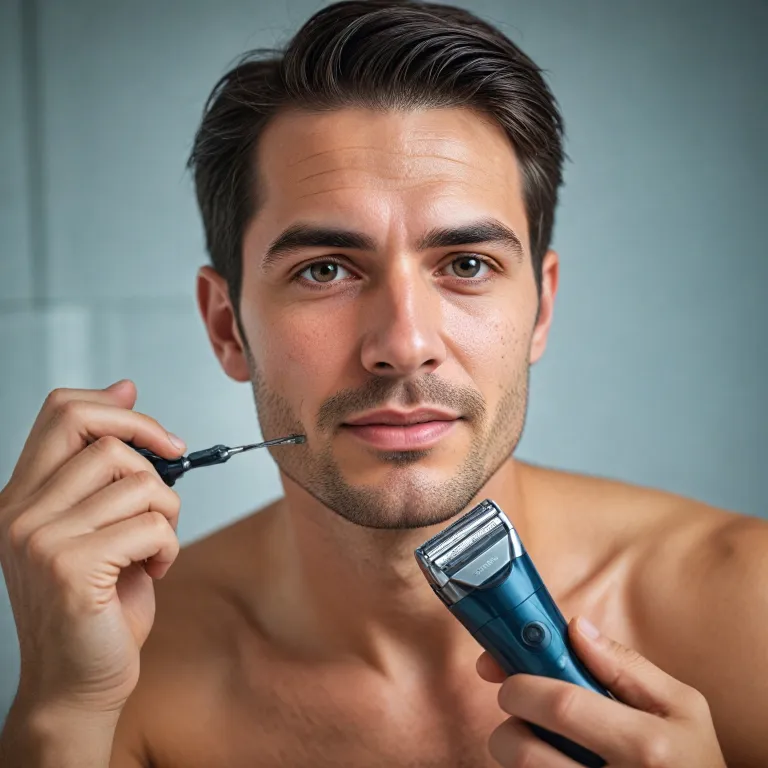

Understanding shaving against the grain with electric shavers
Shaving against the grain with an electric shaver promises a close shave, yet it raises questions about skin comfort. When a man moves the razor in the opposite direction of hair growth, the blade cuts facial hair closer to the skin surface, which can increase irritation. This method can reward men with a very close finish, but it also raises the risk of bumps and ingrown hairs on sensitive skin.
To understand shaving against the grain, you must first map the grain direction on your face. Run your fingers lightly over the beard and feel where the hair grows smoothly and where it feels rough, because that rough sensation shows you are going against the natural direction. This grain direction can change several times across the face, so shaving grain patterns on the neck, cheeks, and jawline often differ significantly.
Many men assume a single pass against grain is always best, yet this method can be harsh on delicate skin. A more refined shaving method uses a first pass in the same direction the hair grows, then a second pass where you gently shave against the grain for a closer finish. This two pass strategy reduces razor burn and post shave discomfort, while still allowing a close shave that respects the skin barrier.
Electric shavers interact with hair differently from a traditional blade razor, because the cutting elements sit behind protective foils or rotary guards. This design means the blade does not scrape directly along the skin, which can reduce irritation when shaving against the grain on sensitive skin. However, aggressive pressure or too many passes can still cause bumps, redness, and ingrown hairs, especially where hair growth is curly or coarse.
Mapping grain direction and preparing the skin
Effective shaving against the grain starts long before the razor touches your face. Preparation focuses on softening facial hair, protecting the skin, and understanding how each direction of stroke interacts with the grain. When a man invests time in preparation, the shave becomes smoother, the finish more even, and the risk of irritation significantly lower.
Begin by cleansing the face with lukewarm water and a gentle wash that removes oil without stripping the skin. Clean skin allows the razor and blade system of the electric shaver to glide more easily, reducing friction that can worsen razor burn when you shave against the grain. For men with very sensitive skin, a pre shave lotion or gel formulated for electric shaving can improve glide and help the shaver lift hair in the correct direction.
Next, map the grain direction carefully using both sight and touch, because grain direction is not always obvious. Stroke the beard in small sections and note where the hair grows downward, sideways, or even in a swirl, since shaving against these patterns requires extra care. Many men find that the neck has the most complex grain direction, so shaving grain patterns there may need shorter strokes and fewer passes.
Some electric shavers allow wet shaving with shave cream, which can further cushion the skin. A thin layer of quality shave cream softens hair and supports a close shave, even when going against the grain in tricky areas like the jawline. For more detail on how moisture affects electric shaving comfort, see this guide on whether to exfoliate before or after shaving with an electric shaver, which helps reduce bumps and ingrown hairs.
Techniques for safely going against the grain
Once the skin is prepared and the grain direction mapped, technique becomes the deciding factor in shaving against the grain safely. With an electric shaver, you should let the device do the work rather than forcing the blade into the skin. Light pressure, controlled passes, and attention to hair growth patterns help men achieve a close finish without excessive irritation.
Start each shave with a pass that follows the direction hair grows, because this first pass removes the bulk of the beard. After this initial shaving grain pass, you can perform a second pass where you gently shave against the grain for extra closeness. This staged method respects the skin while still allowing the razor to cut facial hair shorter for a close shave that feels smooth to the touch.
When going against the grain, keep strokes short and overlap them slightly, especially on areas where the grain direction suddenly changes. Avoid repeatedly passing the blade over the same patch of skin, because too many passes increase friction, razor burn, and post shave redness. Men with sensitive skin should limit shaving against the grain to only the most visible areas, such as the upper cheeks or under the jaw, where a close finish matters most.
It is also important to maintain the razor itself, since a dull blade or clogged foil can tug hair instead of cutting it cleanly. Tugging increases the chance of ingrown hairs, because hair can be pulled below the skin surface when you shave against the grain. For those who alternate between tools, understanding why safety blade razors still matter for electric shaver users can clarify how different blade designs influence irritation and bumps.
Managing irritation, bumps, and ingrown hairs
Even with careful technique, shaving against the grain can sometimes trigger irritation, bumps, or ingrown hairs, particularly on sensitive skin. These problems often arise where hair growth is curly or where the grain direction changes abruptly, such as the neck. When facial hair is cut very close in the opposite direction, the sharp tip can reenter the skin and form painful ingrown hairs.
To reduce these risks, men should monitor how their skin reacts after each shave and adjust their method accordingly. If razor burn or red bumps appear consistently in one area, avoid shaving against the grain there and instead follow the natural grain direction. Over time, this targeted approach allows you to balance a close shave with long term skin health, especially when combined with gentle exfoliation between shaves.
Post shave care is crucial, because the skin barrier is more vulnerable immediately after a close finish. Rinse the face with cool water to calm the skin, then apply an alcohol free post shave balm that soothes irritation without clogging pores. Men with very sensitive skin may benefit from products containing ingredients like aloe or niacinamide, which support recovery after shaving against the grain.
Persistent ingrown hairs or severe bumps may signal that your current shaving grain strategy is too aggressive. In such cases, reduce the number of passes, avoid going against the grain daily, and consider trimming the beard slightly longer. If problems continue despite these changes, consulting a dermatologist can help identify whether hair growth patterns, skin conditions, or specific products are contributing to the irritation.
Adapting electric shaver settings and routines
Modern electric shavers offer various settings and head designs that influence how safely you can shave against the grain. Some models feature flexible heads that follow the contours of the face, while others prioritize powerful motors for dense facial hair. Choosing the right combination of features helps men manage grain direction challenges and achieve a close finish with fewer passes.
For sensitive skin, a foil shaver with a gentle mode can reduce irritation when going against the grain. The foil acts as a barrier between the blade and the skin, allowing you to shave against the grain direction while minimizing direct scraping. Men with coarse hair growth may prefer a higher power setting for the first pass with the grain, then a lower setting for the second pass in the opposite direction.
Routine also matters, because shaving against the grain every day can overwhelm the skin, especially on the neck. Many men find that alternating days or limiting close shave sessions to important occasions keeps bumps and razor burn under control. On lighter days, a single pass following the direction hair grows can maintain a neat appearance without the intensity of a full close finish.
Cleaning and lubricating the razor regularly ensures the blade cuts efficiently rather than pulling hair. A well maintained razor reduces the risk of ingrown hairs when you shave against the grain, since clean cuts are less likely to disturb the skin. For guidance on how wet and dry routines influence comfort, this article on choosing between wet shave and dry shave explains how different methods interact with grain direction and hair growth.
Post shave care and long term skin strategy
Long term comfort with shaving against the grain depends on consistent post shave care and a thoughtful skin strategy. Immediately after shaving, the skin is more permeable, so both beneficial and irritating products penetrate more easily. Men who respect this window can support recovery, while those who neglect it may experience recurring bumps and razor burn.
After rinsing with cool water, pat the face dry gently rather than rubbing, because friction can aggravate freshly shaved skin. Apply a lightweight post shave balm or lotion that calms redness and reinforces the barrier, especially on areas where you shave against the grain. For sensitive skin, avoid strong fragrances and high alcohol content, which can sting and worsen irritation after a close shave.
Between shaves, gentle exfoliation helps prevent ingrown hairs by clearing dead cells that can trap hair beneath the surface. However, exfoliation should not coincide with the most aggressive shaving grain sessions, particularly when you go in the opposite direction of hair growth. Instead, schedule exfoliation on non shaving days or when you only follow the natural grain direction with a single pass.
Over weeks and months, observe how your skin responds to different routines, products, and grain direction strategies. Some men can comfortably shave against the grain daily, while others need more recovery time to avoid bumps and irritation. Adjusting frequency, pass count, and the specific areas where you shave against the grain allows you to maintain a close finish without sacrificing skin health.
Balancing closeness and comfort for different beard types
Every man brings a unique combination of beard density, hair growth pattern, and skin sensitivity to the question of shaving against the grain. A method that delivers a perfect close shave for one face may cause bumps and irritation for another. Understanding your own grain direction and hair characteristics is therefore essential when choosing how aggressively to shave against the grain.
Men with fine, straight facial hair often tolerate shaving against the grain more easily, because the hair tip is less likely to curve back into the skin. In contrast, those with coarse or curly hair growth face a higher risk of ingrown hairs when they go in the opposite direction. For these men, limiting shaving against the grain to a light second pass, or reserving it for special occasions, can strike a better balance between close finish and comfort.
Electric shavers can be adjusted to suit these differences by varying pressure, stroke length, and the number of passes. A man with a dense beard might use a powerful first pass with the grain, then a very gentle second pass against the grain only on the cheeks. Someone with extremely sensitive skin may decide that shaving grain neutral, using diagonal strokes that partially follow the grain direction, offers enough closeness without full against grain passes.
Ultimately, shaving against the grain with an electric shaver is less about rigid rules and more about informed experimentation. By tracking how specific areas of the face respond to different directions, products, and routines, men can refine a personal method that respects both grain and skin. This balanced approach turns the pursuit of a close shave into a sustainable ritual rather than a daily battle with irritation and bumps.
Key statistics about shaving against the grain
- Data on shaving against the grain with electric shavers consistently shows higher rates of irritation on the neck compared with the cheeks.
- Surveys of men who shave regularly indicate that a majority report a closer finish when they shave against the grain, but a significant minority experience increased razor burn.
- Clinical observations link curly hair growth with a notably higher incidence of ingrown hairs after shaving against the grain, especially in areas with complex grain direction.
- Studies of post shave routines suggest that using an alcohol free balm can reduce reported discomfort after shaving against the grain by a meaningful margin.
Questions people also ask about shaving against the grain
Is shaving against the grain with an electric shaver safe for sensitive skin ?
Shaving against the grain with an electric shaver can be safe for sensitive skin when done with careful preparation and light pressure. Using a first pass with the grain, then a gentle second pass in the opposite direction, reduces stress on the skin. Pairing this method with soothing post shave products further limits irritation and bumps.
Does shaving against the grain always give a closer shave ?
Shaving against the grain usually gives a closer shave because the blade cuts hair nearer to the skin surface. However, the improvement in closeness varies depending on beard type, hair growth pattern, and shaver design. For some men, the extra closeness may not justify the increased risk of irritation or ingrown hairs.
How often should I shave against the grain with an electric shaver ?
The ideal frequency depends on your skin sensitivity and hair growth rate. Many men find that shaving against the grain every second or third shave allows the skin enough recovery time. If you notice recurring razor burn or bumps, reduce how often you go in the opposite direction and focus more on with grain passes.
Can I prevent ingrown hairs when shaving against the grain ?
You can reduce ingrown hairs by mapping grain direction carefully, limiting the number of passes, and avoiding excessive pressure. Gentle exfoliation between shaves and the use of non comedogenic post shave products also help keep follicles clear. If ingrown hairs persist, consider restricting shaving against the grain to less problematic areas or consulting a dermatologist.
Should beginners try shaving against the grain with an electric shaver ?
Beginners should first master shaving with the grain and understanding their grain direction before attempting against grain passes. Once they achieve consistent, irritation free shaves, they can introduce a light second pass against the grain on small areas. This gradual approach lets them evaluate how their skin reacts and adjust technique without unnecessary discomfort.