

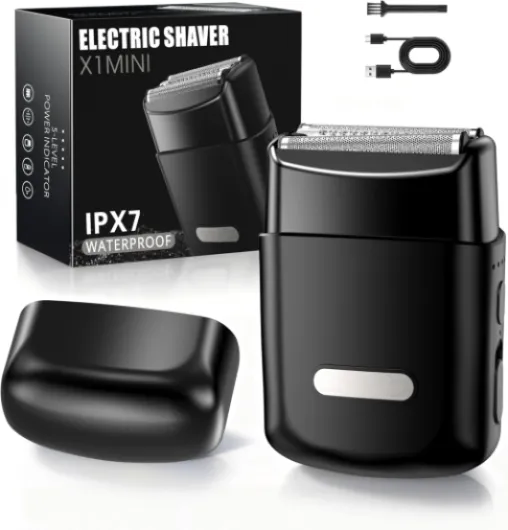
Understanding wet shave and dry shave with electric shavers
How Electric Shavers Work for Wet and Dry Shaving
When it comes to electric shaving, you’ll often see the terms “wet” and “dry” used to describe different methods. Both approaches use an electric shaver or electric razor, but the experience and results can vary depending on your skin type, hair thickness, and personal preferences.
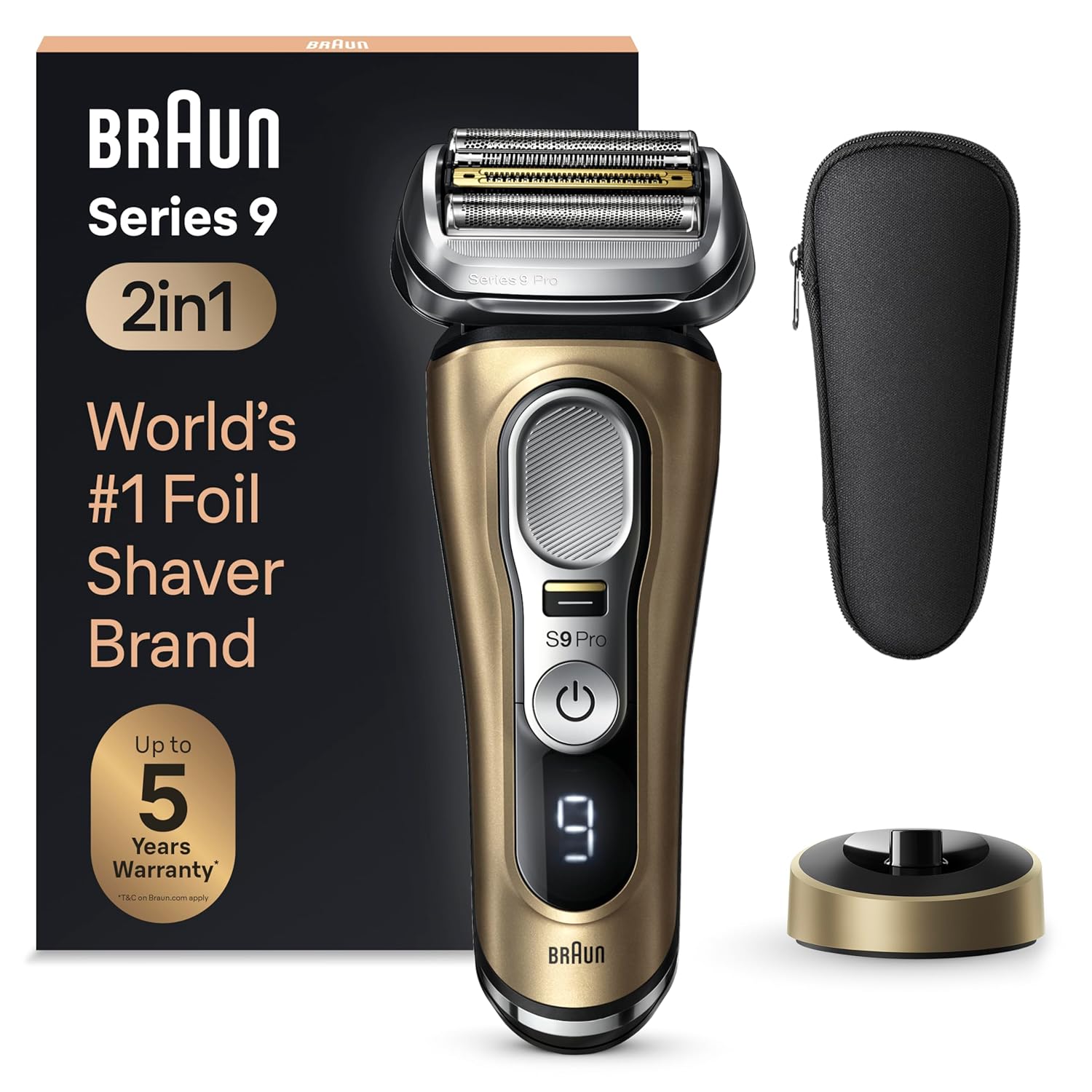
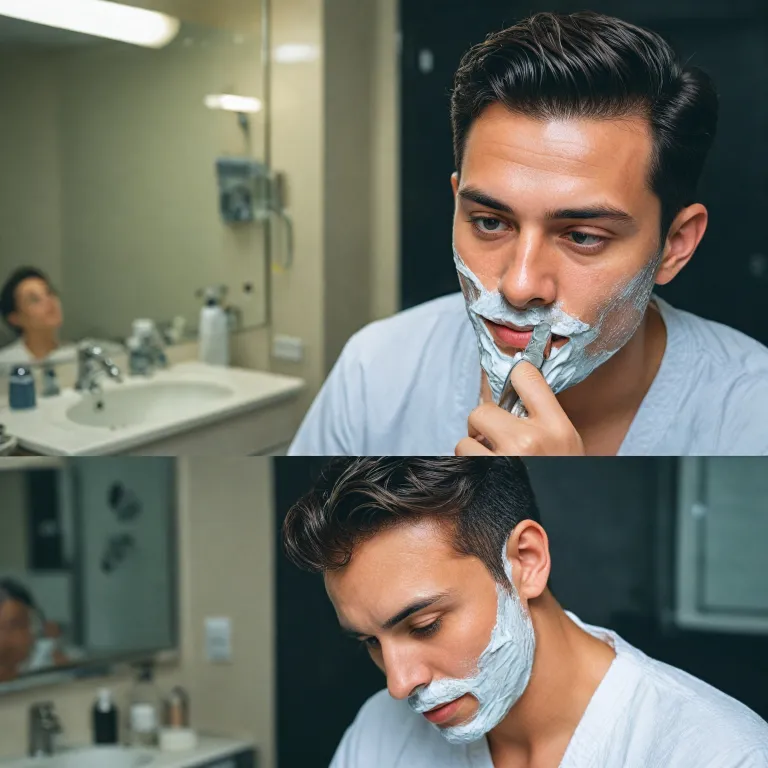
Wet shaving with an electric shaver means using water, shaving cream, gel, or foam during your routine. This method is designed to soften hair and provide extra lubrication, which can help the blades glide smoothly over your face. Wet shaving is often recommended for those with sensitive skin or anyone looking for a closer, more comfortable shave. Many modern electric shavers are labeled as “wet dry,” meaning they can be used with or without water and shaving products.
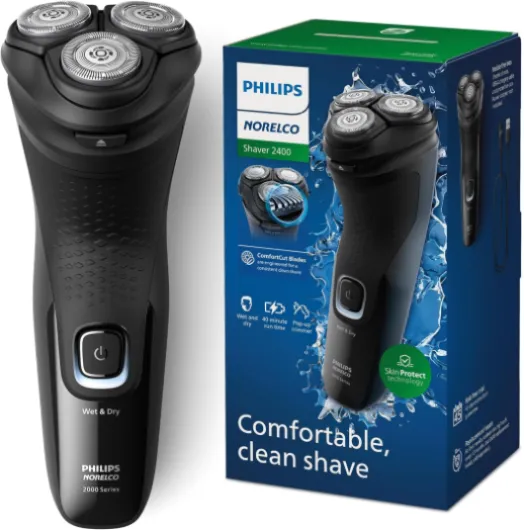
Dry shaving is simply using your electric shaver on clean, dry skin—no water or shaving cream required. This is the classic way to use an electric razor, and it’s popular for its speed and convenience. Dry shaving can be ideal if you’re in a hurry or need a quick touch-up before heading out. Some people with sensitive skin may experience irritation, but many find that the best electric shavers are gentle enough for daily use without causing discomfort.
- Wet shaving: Uses water and shaving cream for extra comfort
- Dry shaving: Quick, convenient, and mess-free
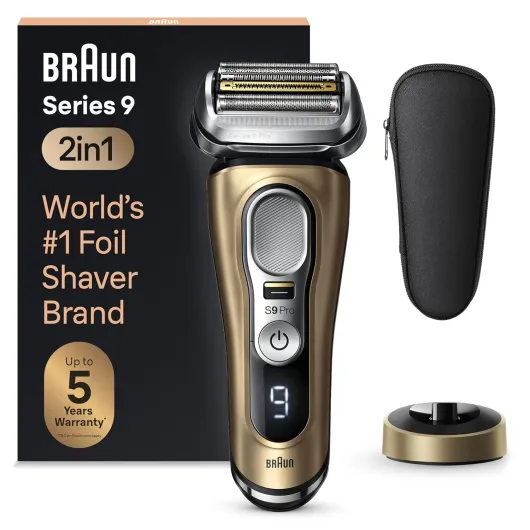
- Most modern electric shavers support both methods (wet dry)
Understanding the difference between wet and dry shaving with electric shavers is the first step in finding the best routine for your face and skin. If you want a deeper dive into how wet shaving works with electric razors, you can read this detailed guide on wet shaving for electric shaver users.
As you continue, you’ll learn more about the benefits of each method, how they affect skin health, and practical tips for getting a better shave—whether you prefer shaving wet or dry.
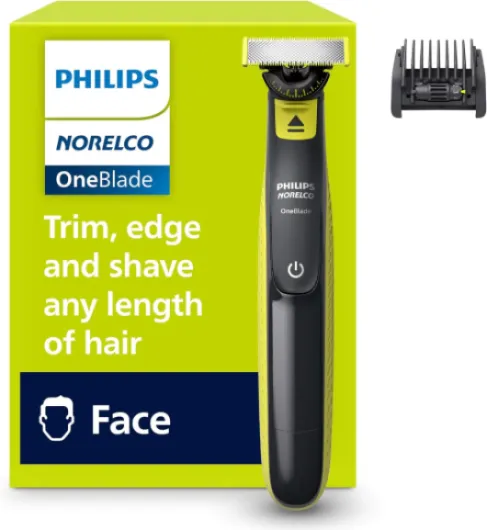
- + Versatile 5in1 adjustable comb
- + 360 Blade Technology for efficient shaving
- + Includes 1x 360 Blade for face
- + Electric beard trimmer and shaver in one
- + Stylish Black & Lime Green design

Benefits of wet shaving with an electric shaver
Why Many Prefer Wet Shaving with Electric Razors
Wet shaving with an electric shaver combines the comfort of water and shaving cream with the convenience of modern technology. For those who have tried both wet and dry shaving, the difference in feel and results can be significant. Here’s what makes wet shaving stand out for many users:
- Enhanced Comfort for Sensitive Skin: Using water and shaving cream or gel helps soften facial hair and creates a protective layer between the razor blades and your skin. This can reduce irritation, making it a better shave option for people with sensitive skin or those prone to razor burn.
- Smoother Glide, Less Pulling: The moisture from water and the lubrication from shaving cream allow the electric shaver to glide more smoothly over the face. This reduces the risk of hair being pulled or tugged, which is a common complaint with dry shaving.
- Closer Shave Experience: Many users report that wet shaving with an electric razor provides a closer shave compared to shaving dry. The softened hair is easier for the blades to cut, resulting in a smoother finish that rivals traditional shaving with a manual razor or razor blade.
- Reduced Risk of Ingrown Hairs: The combination of water, shaving cream, and the action of modern electric shavers can help minimize the risk of ingrown hairs, especially for those with curly or coarse hair types.
- Refreshing Routine: For some, the act of shaving wet is simply more enjoyable. The sensation of water and the scent of shaving cream can turn a daily chore into a refreshing ritual.
It’s important to note that not all electric shavers are designed for wet use. Always check if your electric shaver or shaver series is waterproof and suitable for wet dry operation before using it with water or shaving cream. For a deeper understanding of how the design of razor blades and materials can impact your shaving experience, you can read this in-depth look at plastic razor blades in electric shavers.
While wet shaving offers many benefits, it may not be the best choice for everyone or every situation. The next section will explore the advantages of dry shaving with an electric shaver, helping you compare both methods for your needs.
Advantages of dry shaving with an electric shaver
Why Many Prefer Dry Shaving with Electric Razors
Dry shaving with an electric shaver is a popular choice for those seeking speed and convenience. Unlike wet shaving, you don’t need water, shaving cream, or gels. This makes it ideal for busy mornings or travel, when time and resources are limited. Modern electric shavers are designed to glide over the skin, cutting hair efficiently without the need for lather or rinsing.
- Time-saving: Dry shaving is usually much faster than wet shaving. You can shave almost anywhere, even on the go.
- Less Mess: No need for water or shaving cream means less cleanup. This is especially helpful if you’re in a rush or away from home.
- Easy Maintenance: Most electric razors are easy to clean after a dry shave. Some models even come with self-cleaning stations.
- Gentle on Skin: For many, dry shaving with a quality electric shaver can reduce the risk of nicks and cuts compared to a manual razor blade. This can be a big advantage for those with sensitive skin or who experience irritation from traditional shaving methods.
Who Benefits Most from Dry Shaving?
If you have sensitive skin or are prone to irritation, dry shaving with an electric razor can be a gentler option. The blades in electric shavers don’t come into direct contact with the skin, which helps minimize the risk of razor burn and cuts. This is especially true for those who struggle with skin shaving using traditional razors or have coarse facial hair that’s tough to manage with a manual razor.
For those interested in grooming sensitive areas, it’s important to use the right technique and tools. You can read tips for shaving sensitive areas safely to avoid irritation and achieve the best results.
Comparing Dry and Wet Shaving for Everyday Use
While wet shaving can offer a closer shave for some, dry shaving is often the better shave for people who value efficiency and comfort. Electric shavers are designed for both wet and dry use, but if you’re looking for a quick, effective routine with less risk of irritation, dry shaving is a strong contender. Many shaver series offer both wet dry capabilities, so you can experiment and find what works best for your face and lifestyle.
Skin health: which method is gentler?
Impact on Sensitive Skin and Irritation
When it comes to skin health, the choice between wet and dry shaving with an electric shaver can make a noticeable difference, especially for those with sensitive skin. Wet shaving, which involves using water and often shaving cream, tends to provide a smoother glide for the blades. This extra layer of moisture and lubrication can help reduce friction, making it less likely for the razor to cause irritation or redness. Many users find that shaving wet with an electric shaver feels gentler on the face, particularly if they are prone to razor burn or have delicate skin.
On the other hand, dry shaving is convenient and fast, but it can sometimes lead to more irritation, especially if the skin is not properly prepared. Without the protective barrier of water or shaving cream, the blades of the electric razor come into direct contact with the skin. This can increase the risk of micro-cuts, dryness, or that uncomfortable tight feeling after a shave. However, modern electric shavers are designed with advanced blade technology and protective foils to minimize these issues, making dry shaving a viable option for many people.
Factors That Influence Skin Comfort
- Blade quality: High-quality blades and foils in electric shavers can reduce tugging and pulling, leading to a better shave with less irritation.
- Preparation: For both wet and dry shaving, cleaning your face and using a pre-shave product can help minimize irritation.
- Shaving technique: Gentle, slow movements and not pressing too hard with the shaver can help protect sensitive skin.
- Skin type: Those with sensitive or dry skin may benefit more from wet shaving, while others with less reactive skin might find dry shaving perfectly comfortable.
Ultimately, the best method for your skin depends on your personal comfort and the features of your chosen electric shaver. Some shaver series are specifically designed for sensitive skin, offering additional protection and comfort whether you choose to shave wet or dry. If you have a history of irritation or razor bumps, experimenting with both methods and paying attention to your skin's response can help you find the most comfortable routine.
Practical tips for getting the best results
Preparation for a Smooth Shave
Whether you prefer wet or dry shaving with your electric shaver, proper preparation is key to achieving the best results. For wet shaving, start by washing your face with warm water to soften the hair and open up pores. This helps the blades glide more easily and reduces the risk of irritation. If you have sensitive skin, using a gentle shaving cream or gel can provide an extra layer of protection. For dry shaving, make sure your face is clean and completely dry. Some users find that using a pre-shave lotion designed for electric razors can help lift the hair and create a smoother surface for the blades.
Technique Matters: How to Use Your Electric Shaver
- Use gentle, circular motions with foil shavers, or straight, controlled strokes with rotary shavers. This ensures the blades cut hair efficiently without pressing too hard on the skin.
- Don’t rush. Take your time to let the electric razor do the work, especially if you have coarse or thick hair.
- For wet shaving, rinse the shaver frequently under running water to keep the blades clean and effective.
- For dry shaving, tap out hair clippings from the shaver head regularly to maintain performance.
Aftercare: Soothe and Protect Your Skin
Once you finish shaving, rinse your face with cool water to close the pores and reduce any redness. Applying an alcohol-free aftershave balm or moisturizer can help soothe sensitive skin and prevent dryness. This step is especially important for those who experience irritation or have sensitive skin. Keeping your electric shaver clean by following the manufacturer’s instructions also helps maintain blade sharpness and hygiene, leading to a better shave every time.
Extra Tips for a Better Shaving Experience
- Replace the blades or foils of your electric shaver as recommended by the manufacturer. Dull blades can tug at hair and increase the risk of irritation.
- If you use both wet and dry shaving methods, clean your shaver thoroughly between uses to prevent buildup of shaving cream or hair clippings.
- For those with sensitive skin, avoid going over the same area repeatedly, as this can lead to razor burn or bumps.
- Experiment with different shaver series or models to find the one that suits your face and hair type best.
How to decide: choosing the best method for your lifestyle
Matching Your Routine and Skin Needs
When it comes to choosing between wet and dry shaving with an electric shaver, your daily habits and skin type play a big role. If you have sensitive skin or often deal with irritation, wet shaving with shaving cream or gel might be more comfortable. The water and cream help soften hair and reduce friction, making the razor glide smoothly over your face. On the other hand, dry shaving is quick and convenient, especially if you have a busy lifestyle or need a fast touch-up before work.
Factors to Weigh for the Best Shave
- Time: Wet shaving usually takes longer because of prep and cleanup. Dry shaving is faster and can be done almost anywhere.
- Skin Sensitivity: If your skin is easily irritated, wet shaving may be gentler. Dry shaving can sometimes cause more friction, especially if you have coarse hair.
- Desired Results: Some people find that wet shaving with an electric razor gives a closer cut, while others prefer the convenience of dry shaving for daily maintenance.
- Equipment: Not all electric shavers are designed for both wet and dry use. Check your shaver series or model to see if it supports water and shaving cream, or if it’s best used dry.
- Maintenance: Wet shaving requires more cleaning, as water and cream can build up in the blades. Dry shaving is usually easier to maintain, but regular cleaning is still important for the best performance.
Personalizing Your Shaving Experience
Try both methods to see which feels better on your skin and fits your routine. Some people use a wet shave on weekends for a closer, more comfortable result, and a dry shave during the week for speed. If you’re switching from a manual razor or traditional shaving, give your skin time to adjust to the electric shaver. Remember, using the right technique and keeping your blades sharp will help you avoid irritation and get a better shave, no matter which method you choose.