
Understanding the basics of straight razor designs
What Makes a Straight Razor Unique?
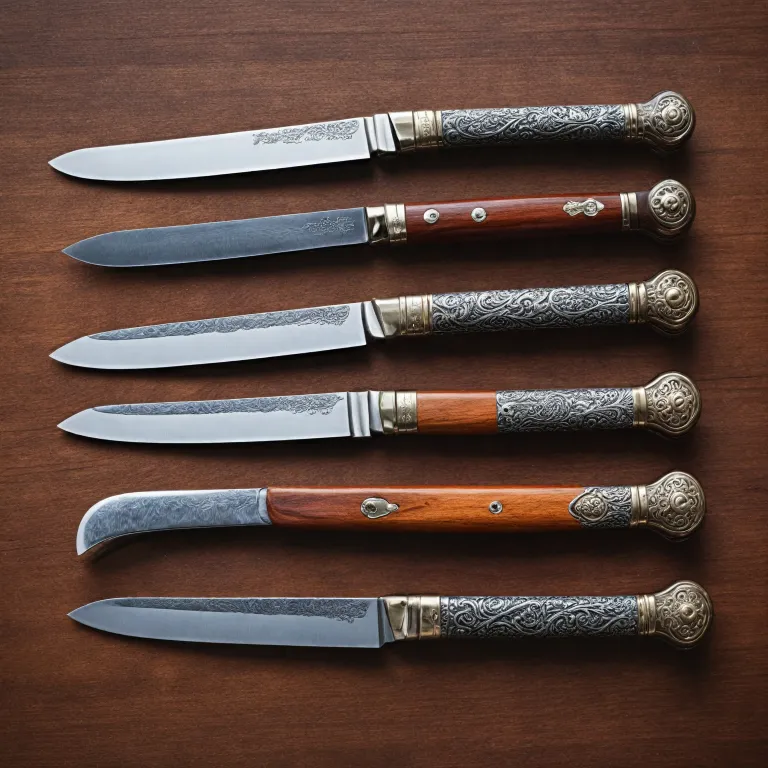
Straight razors have a long history in the world of shaving, offering a traditional approach that many barbers and enthusiasts still appreciate today. Unlike electric shavers, a straight razor features a single, exposed blade that folds into its handle. This design is often referred to as a "cut-throat" razor. The full view of the blade allows for precise control, which is why barbers often choose straight razors for close shaves and detailed work.
Types of Straight Razors and Key Features
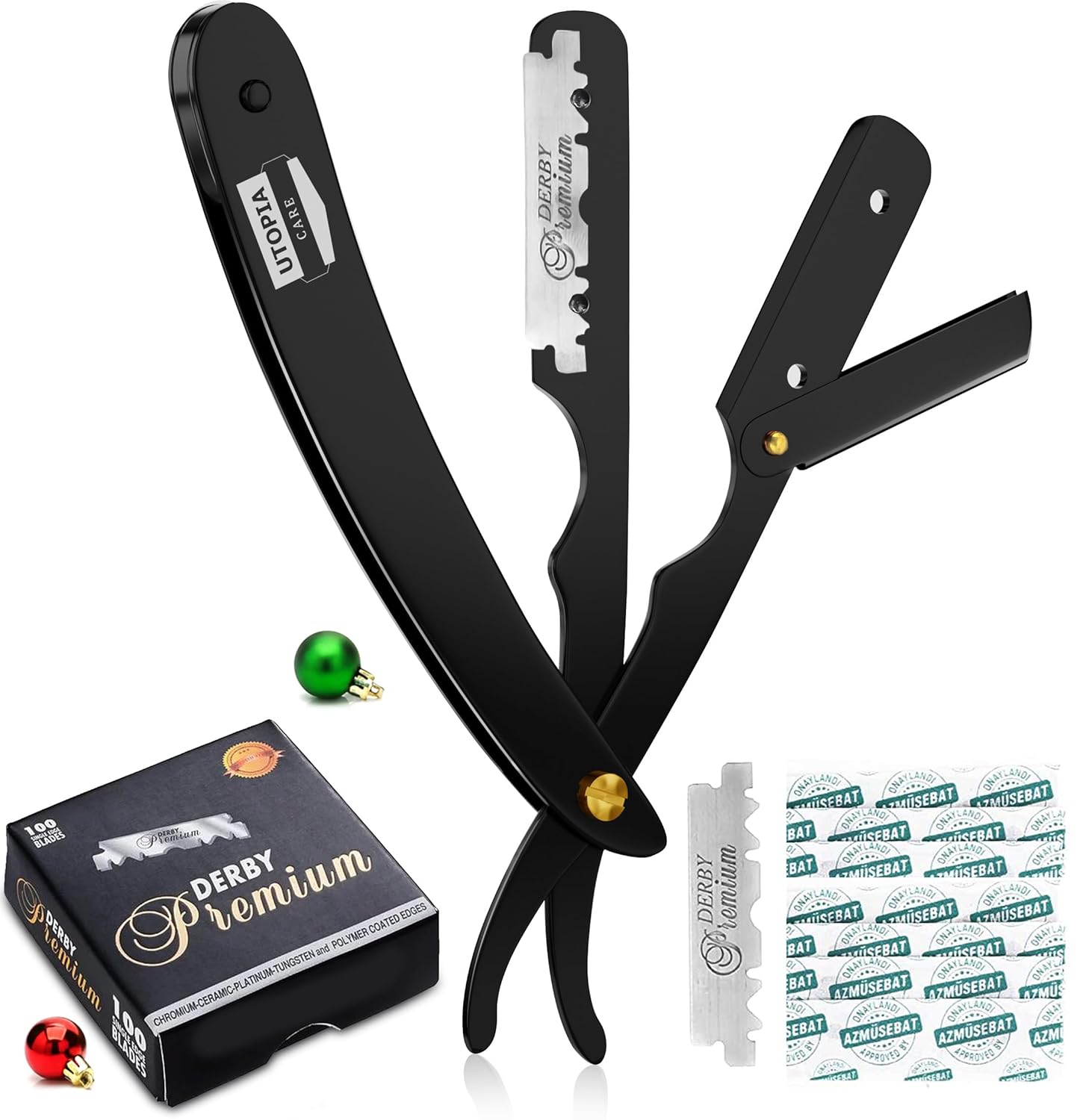
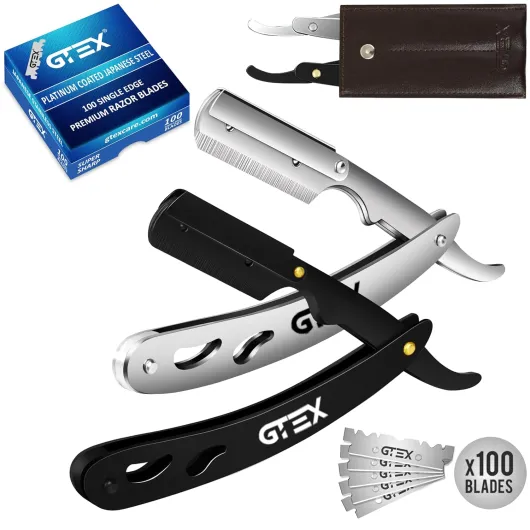
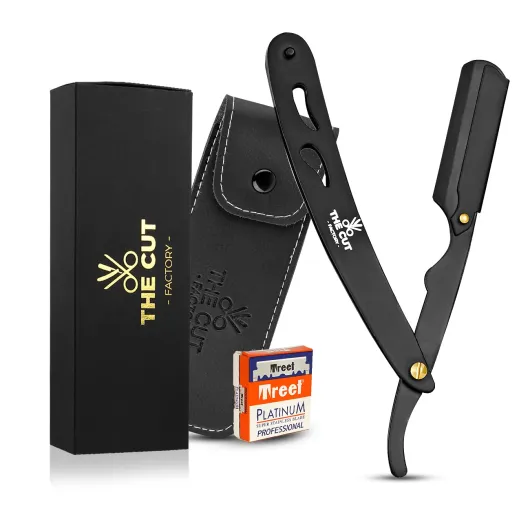
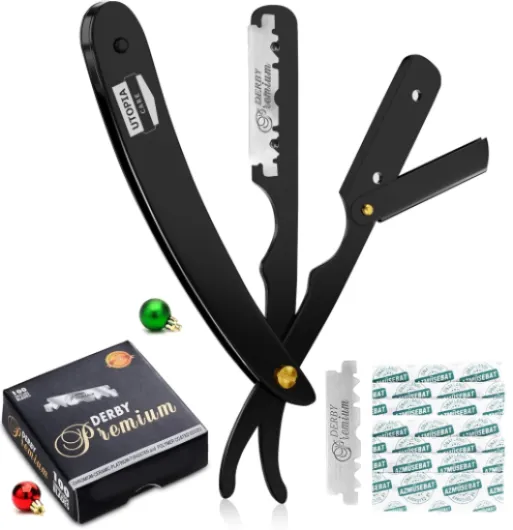
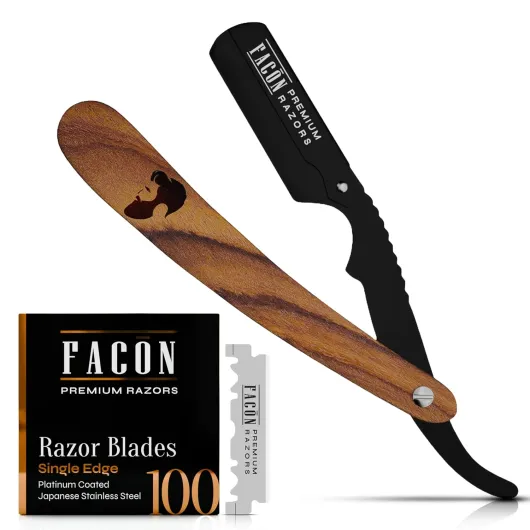
There are several types of straight razors, each with unique characteristics. Classic straight razors, such as those made by Dovo, Thiers Issard, and Parker, are crafted from materials like stainless steel or carbon steel. These razors are known for their durability and the ability to be "shave ready" after proper honing. Shavette razors, sometimes called barber razors, use disposable razor blades, making them easier to maintain and more affordable for those who want to save on long-term costs.
- Classic straight razors: Require regular maintenance, such as stropping and honing, but can last a lifetime.
- Shavette razors: Use replaceable blades, offering convenience and hygiene, especially in professional settings.
- Custom straight razors: Allow for personalized handle materials and blade shapes, catering to individual preferences.
Understanding Price and Value
The price of straight razors can vary widely depending on the brand, materials, and craftsmanship. For example, a Dovo straight razor or a Thiers Issard model may have a higher unit price due to their reputation and build quality. Shavette razors and Parker models tend to be more budget-friendly, making them accessible for beginners. When comparing razors, it's important to consider not just the initial price sold but also the longevity and maintenance required. Reviews often highlight the value of investing in a quality razor, especially for those interested in wet shaving or seeking a custom straight razor experience.
Comparing Straight Razors to Modern Alternatives
While electric shavers offer convenience and speed, straight razors provide a unique shaving experience that many find satisfying. The ability to customize your shave, choose from different blade shapes like round point or hollow grind, and select handle materials adds to the appeal. For those interested in exploring all their options, including electric shavers, it's helpful to compare shaving tools for different needs before making a decision.

Comparing straight razors and electric shavers
Key Differences Between Straight Razors and Electric Shavers
For anyone considering a switch or simply curious about the world of shaving, understanding how straight razors compare to electric shavers is essential. Both tools have their loyal followers, but the experience, maintenance, and even the price can vary significantly. Let’s break down the main differences to help you make an informed choice.
- Shaving Experience: Straight razors, including classic models from Dovo, Parker, and Thiers Issard, offer a traditional wet shaving experience. Many barbers and enthusiasts appreciate the control and closeness of a shave ready blade, especially with a hollow grind or round point. Electric shavers, on the other hand, focus on convenience and speed, making them a popular choice for daily routines.
- Blade and Handle Design: Straight razors come in a variety of blade shapes and handle materials, from stainless steel to carbon steel, and even custom straight options. The handle design affects ergonomics and grip, which is important for precision. Electric shavers usually have a full unit design, with integrated blades and ergonomic handles, but lack the custom feel of a traditional razor.
- Maintenance: Straight razors require regular honing and stropping to keep the blade sharp, while shavette razors use replaceable razor blades, offering a low-maintenance alternative. Electric shavers need periodic cleaning and blade replacement, but the process is generally less involved than with a straight razor.
- Price and Value: The unit price of a straight razor can be higher upfront, especially for original or custom models. However, over time, you may save money since there are no recurring blade costs, except for shavette razors. Electric shavers have a wide price range, but ongoing costs for replacement blades and guards can add up. For more on why choosing premium guards matters for your electric shaver, check out this guide on premium guards.
- Reviews and Community: Many users rely on reviews to compare razors, whether it’s reviews Dovo, Parker, or artist club models. The straight razor community often values craftsmanship and tradition, while electric shaver users prioritize efficiency and technology.
Choosing between a straight razor and an electric shaver depends on your shaving goals, preferences, and how much time you want to dedicate to your routine. Each has its strengths, whether you’re after the ritual of wet shaving or the practicality of a modern unit.
Blade shapes and their impact on shaving
How blade shapes influence your shave
When exploring straight razors, blade shape is a detail that can make a real difference in your shaving experience. Whether you’re considering a classic straight razor, a shavette, or even comparing these to electric shavers, understanding blade geometry is key. Each blade shape offers unique benefits, and knowing what sets them apart can help you find the right fit for your needs and budget.
- Round point: This is the most beginner-friendly blade shape. The rounded tip helps prevent accidental nicks, making it a popular choice for those new to straight razors or wet shaving. Many reviews highlight the round point as ideal for daily use and for those who want a safer, more forgiving shave.
- Square point: Also known as a straight point, this blade has a sharp, angular tip. Barbers often use square points for precise edging and detailing, especially around beards and mustaches. However, the sharper tip requires a steady hand and more experience, as it can be less forgiving than a round point.
- French point: This blade combines the precision of a square point with a slightly curved tip, offering a balance between control and safety. It’s favored by those who want to customize their shave and achieve detailed lines without the full risk of a square point.
Blade grind also matters. The hollow grind is common in many straight razors, including popular brands like Dovo and Thiers Issard. A full hollow grind makes the blade lighter and more flexible, which can result in a closer shave but may require more maintenance. In contrast, a less hollow or wedge grind offers more stability and is often preferred for thicker or coarser hair.
Material impacts price and performance. Stainless steel blades are known for their durability and rust resistance, while carbon steel blades are praised for their sharpness and ease of honing. Custom straight razors and artist club models often use premium materials, which can increase the unit price but also enhance longevity and shave quality. Shavette razors, which use disposable razor blades, offer a lower price point and less maintenance, making them a practical choice for barbers and home users alike.
If you’re comparing straight razors to electric shavers, it’s worth noting that electric models use foil or rotary blades, which are designed for convenience and speed. For a deeper dive into how foil blades work and their benefits, check out this guide to foil blades in electric shavers.
Ultimately, your choice of blade shape and material should reflect your shaving habits, skin sensitivity, and the level of maintenance you’re comfortable with. Reading reviews, comparing unit prices, and considering your own needs will help you find the best razor—whether it’s a Dovo shavette, a Parker barber razor, or a custom straight razor—for your daily shave.
Handle materials and ergonomics
How Handle Materials Shape Your Shaving Experience
The handle of a straight razor or shavette is more than just a grip—it's a key factor in comfort, control, and even price. For electric shaver users exploring traditional razors, understanding handle materials can help you compare options and find the best fit for your shaving routine.
- Stainless Steel: Known for its durability and resistance to corrosion, stainless steel handles are common in premium straight razors and barber razors. They offer a solid, balanced feel, though they can be heavier than other materials. Stainless steel is often found in brands like Dovo and Thiers Issard, and it contributes to a higher unit price but also longer lifespan.
- Carbon Steel: While more common in blades, some custom straight razors feature carbon steel elements in the handle. These handles can provide a unique, classic look but require more maintenance to prevent rust.
- Wood: Handles made from hardwoods like ebony or oak are popular for their natural grip and aesthetic appeal. Wood handles are often seen in custom straight razors and can be more expensive, especially for rare or exotic woods. They need regular care to avoid cracking or warping, especially in wet shaving environments.
- Plastic and Resin: Many shavette razors and entry-level straight razors use plastic or resin handles. These are lightweight, affordable, and easy to maintain, making them a good choice for those new to razor shaving or looking to save on price. However, they may not offer the same full, balanced feel as metal or wood.
- Other Materials: Some artist club razors and custom units feature handles made from bone, horn, or acrylic. These materials can provide a unique look and feel, but often come at a higher price sold per unit and may require special care.
Ergonomics also play a big role. A well-designed handle—whether on a Dovo shavette, Parker razor, or a traditional straight—should fit comfortably in your hand, allowing for precise control during each shave. Reviews often highlight how the handle's shape and weight distribution affect the shaving experience, especially for those transitioning from electric shavers to manual razors.
| Handle Material | Durability | Maintenance | Unit Price | Common in |
|---|---|---|---|---|
| Stainless Steel | High | Low | $$$ | Dovo, Thiers Issard, Barber Razors |
| Wood | Medium | Medium | $$ | Custom Straight, Shavette |
| Plastic/Resin | Medium | Low | $ | Shavette Razor, Entry-Level Razors |
| Bone/Horn/Acrylic | Medium | High | $$$$ | Artist Club, Custom Units |
When reading reviews Dovo or comparing Parker and other brands, pay close attention to handle feedback. The right handle can make your shave ready razor feel like an extension of your hand, whether you prefer a round point blade or a hollow grind. Ultimately, the best handle material is the one that matches your shaving style, budget, and maintenance preferences.
Maintenance and longevity of shaving tools
Care and Upkeep: What to Expect from Your Shaving Tools
When comparing straight razors, shavette razors, and electric shavers, maintenance plays a major role in both longevity and overall price. Each type of razor—whether a classic Dovo straight razor, a Parker shavette, or a stainless steel barber razor—has its own requirements for upkeep. Understanding these differences can help you save money and extend the life of your shaving unit.- Straight Razors: Traditional straight razors, like those from Thiers Issard or Dovo, are built for longevity. With proper care, including regular stropping, occasional honing, and thorough drying after each shave, a carbon steel or stainless steel blade can last decades. The initial unit price may be higher, but the long-term cost is often lower since you don’t need to buy replacement blades. Reviews often highlight the satisfaction of owning a full custom straight razor or a hollow grind model that’s truly shave ready.
- Shavette Razors: Shavette razors and artist club models use replaceable razor blades, making them easier to maintain. There’s no need for honing or stropping, but you will need to purchase new blades regularly. This can increase the price sold over time, especially for those who shave daily. However, the convenience and low barrier to entry make shavettes popular among barbers and those new to wet shaving.
- Electric Shavers: Electric shavers are generally easier to maintain day-to-day. Most units require regular cleaning, either with a brush or under running water, and periodic replacement of foils or cutting heads. The unit price varies widely, but ongoing costs can add up, especially for premium models. Some users compare the ease of use and maintenance favorably against traditional razors, while others prefer the ritual and control of manual shaving tools.
Material Choices and Their Impact on Durability
The materials used in the blade and handle affect both the feel and the lifespan of your razor. Stainless steel straight razors resist rust and are easier to maintain than carbon steel, though some enthusiasts prefer the sharper edge of carbon steel. Custom straight razors with unique handle materials—like wood, resin, or bone—offer a personalized touch but may require extra care to avoid damage from moisture. Barber razors and shavettes often feature robust, easy-to-clean handles designed for frequent use.Maintenance Tips for Maximum Value
- Always dry your razor thoroughly after use to prevent corrosion, especially for carbon steel blades.
- Store your shaving tools in a dry, ventilated space.
- For shavette razors, change blades regularly to maintain a close, comfortable shave.
- Follow manufacturer guidelines for cleaning and replacing parts on electric shavers to ensure optimal performance and longevity.
Choosing the right design for your needs
Factors to Weigh Before Your Next Shave
When it comes to selecting the right straight razor design, electric shaver users often look for a balance between tradition and modern convenience. The choice depends on several factors, including your shaving habits, skin sensitivity, and how much time you want to dedicate to maintenance. Here’s what to keep in mind as you compare options:
- Blade Type and Grind: A full hollow grind offers flexibility and a close shave, while a round point blade is safer for beginners. Stainless steel blades are rust-resistant and require less upkeep, but carbon steel can deliver a sharper edge for those who value a "shave ready" experience.
- Handle Material and Ergonomics: Comfort matters. Handles come in materials like wood, resin, or stainless steel. Custom straight razors and brands like Dovo or Thiers Issard offer unique handle designs for better grip and control. A well-balanced handle reduces fatigue during longer shaving sessions.
- Maintenance and Longevity: Straight razors, especially those made from quality materials, can last decades with proper care. Shavette razors, which use replaceable blades, are easier to maintain and popular among barbers for hygiene. Consider how much time you want to spend on stropping and honing versus simply swapping a blade.
- Price and Value: Unit price varies widely. Entry-level razors like the Parker shavette are affordable, while original Dovo or custom straight razors command a higher price sold for their craftsmanship. Reviews often highlight the long-term savings of a straight razor compared to disposable blades or cartridge units.
- Intended Use: If you’re after the ritual of wet shaving, a traditional straight razor or a barber razor might be ideal. For those who want a quick, safe shave, a shavette razor or artist club style may be more practical. Always check reviews Dovo or other brands to see how they perform in real-world use.
Making Your Selection
Ultimately, the best razor for you is one that fits your lifestyle and shaving goals. If you’re transitioning from electric shavers, start with a shavette to get used to the technique. For those who want a lifelong tool, investing in a high-quality straight razor with a comfortable handle and a reliable blade—be it stainless steel or carbon steel—can save money over time and deliver a satisfying shave. Don’t forget to view full product reviews and compare unit price before making your decision.